Pressure Proof Tip with Daniel Stewart: Fuel and Friction
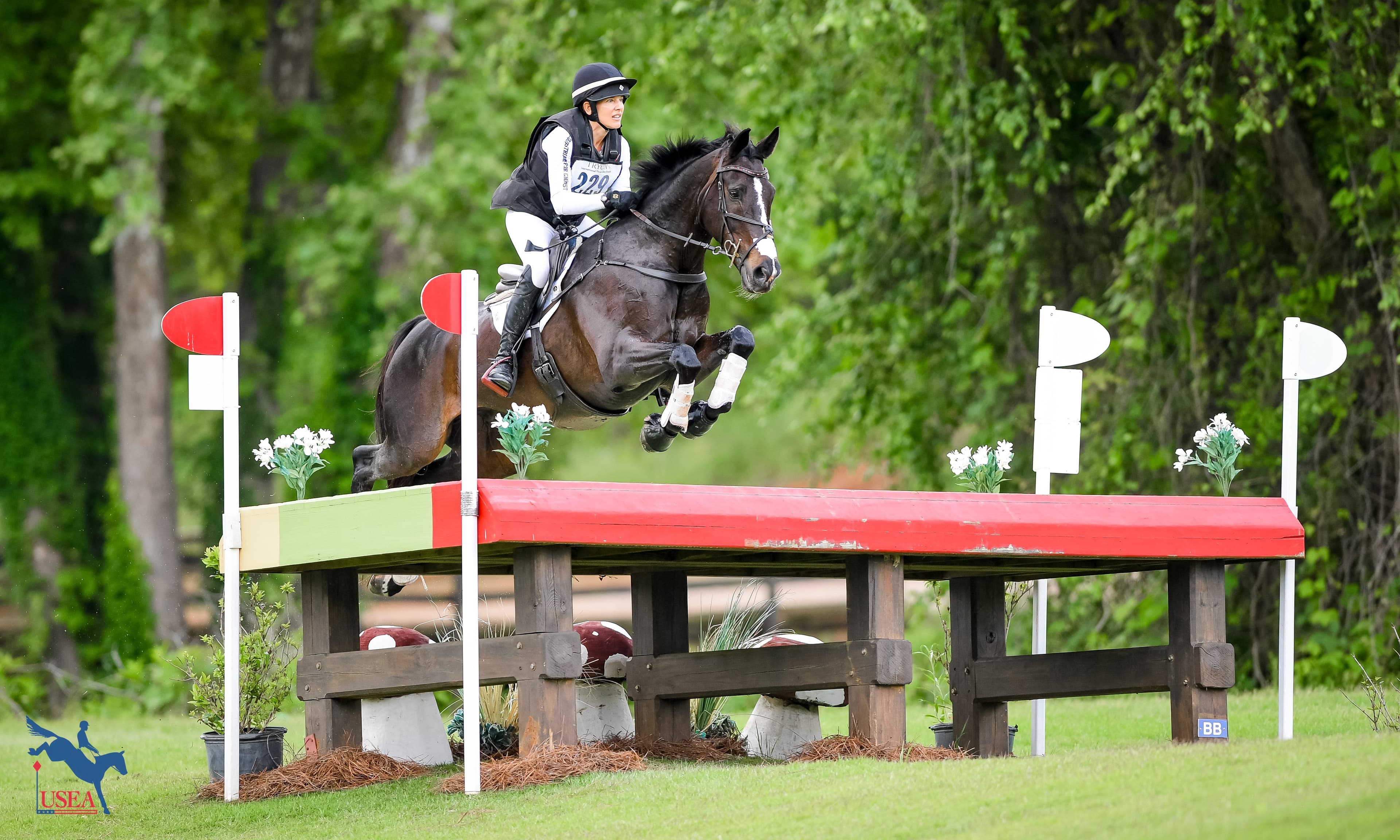
Building behaviors that help us become bolder, braver, and brighter is a goal that all of us share. From creating courage and confidence to overcoming fears and failures, our performance and success is ultimately determined by our actions and intentions. Luckily there are two strategies that can help us achieve these goals: (1) adding fuel to propel us towards those goals or (2) removing any friction standing between us and them.
In this month’s Pressure Proof tip, we’ll discuss both strategies in detail and identify which one might work better for you.
For lack of better words, adding fuel simply means trying harder and/or adding productive behaviors and habits that propel us toward self-improvement. Creating goals, adding motivating music to our pre-ride routine, and repeating positive affirmations or mantras at times of struggle are all examples of additions that can make us feel more confident and competent.
Removing friction, on the other hand, means trying softer and/or eliminating any negative behaviors or habits that create resistance between us and our self-improvement.
Overcoming a fear of failure, leaning to stop dwelling on mistakes, and no longer worrying about being judged are a few common examples of how subtraction can eliminate the friction and resistance between us and our potential.
So which is best? Adding fuel or removing friction? Most people when given the choice typically believe that adding fuel (trying harder) is the best way to evoke positive change, but in fact, removing friction (trying softer) is often even more successful.
Here’s an example that can help us understand this concept a little more clearly. Imagine riding a bike into a strong headwind. You have the choice to try hard by sitting-up tall and pedaling faster (add fuel) or you can try softer by lowering yourself into an aerodynamic position (and in doing so removing the friction). In this example, we probably all agree that removing friction would be more successful (and sustainable!) than adding fuel.
Here’s another example: If we’d like to build a large campfire we can place log after log (add fuel) or we can build it under a roof so the rain won’t extinguishes it (removing the friction). In both examples it ’s pretty clear that removing friction might actually be more sustainable than adding fuel.
So how can adding fuel or removing friction influence our potential as equestrians…and might one work better for you than the other? Well, the choice is certainly yours, and there’s really no right or wrong answer. Adding productive behaviors like setting goals and repeating mantra while removing destructive habits like dwelling on mistakes and fearing failure will both take you to a place you’re capable and deserving of going. And there it is. The answer is C, all of the above!
Combing both fuel and friction is the key that allows us to move towards our goals while also eliminating any of the struggles that typically interfere with our ability to reach them. In other words, adding fuel gets the ball rolling while removing friction keeps it going!
Here are a few good examples of how pairing a little more fuel with a little less friction can help us all get to where we want to go:
FUEL: Add deep breathing and relaxation techniques to our pre-ride rituals, and
FRICTION: Subtract the habit of comparing ourselves to others or worrying about what they think.
FUEL: Add gratitude and kindness to our relationships with our judges and opponents, and
FRICTION: Subtract the habit of feeling like a failure just because we failed.
In the end, the pursuit of feeling bolder, braver, and brighter is actually just a weird kind of mathematical equation; one that will always equal a positive when we add a little fuel and subtract a little friction!
I hope you enjoyed my Pressure Proof tip and will consider joining me this summer in one of my Equestrian Athlete Training camps! Four days of equestrian sport psychology, rider strength and conditioning, nutrition, yoga, and more! For more information email me at [email protected] or visit: https://pressureproofacademy.com/classes/
Related Articles

Centerline Success : An Afternoon of Learning, Insight, & Inspiration at Devon
Center Line Success, sponsored by Team Tate Academy and hosted by USDF, provided its 80 attendees with a wealth of knowledge to put into practice. Jeanne McDonald, USEF “S” Dressage judge, and Heather Gillette, USEF “S” Eventing judge, generously took time out of their day to present and all atte...
Pressure Proof Tip with Daniel Stewart: Fears and Our Inner Flinstones
Last month we began discussing the fact that many of the fears we experience today can be attributed back to the survival instinct born in all of us thousands of years ago. We even talked about how the fear of being watched (the spectator effect) can be attributed back to the fear our caveman and...
Sharon White and Claus 63 Capture the Win in the US Equestrian Open Final CCI4*-L, White Becomes First Woman to Win the Title
The second edition of the $200,000 US Equestrian Open Eventing Final concluded at Morven Park International Equestrian Center with Sharon White (Summit Point, W.V.) and Claus 63 delivering a standout performance in the final jumping phase to capture the win. It was a historic result as White beca...