USEA Board of Governors Votes to Revisit One Fall and Out Rule at Training Level and Below
In its August 11-12 annual meeting, the USEA Board of Governors discussed the 2008 rule stating that competitors would be eliminated following a single rider fall relating to a jump. After detailed consideration of underlying data, review of substantial input from riders, trainers, officials, and organizers, and an extended discussion, the Board voted to endorse a rule change proposal substantially reverting to the pre-2008 rules for falls at Training level and below. Riders at these levels would be permitted to continue on course following the first fall of the rider, but would remain subject to the existing rules prohibiting dangerous riding. At Preliminary level and above, the current one-fall rule would remain in place.
Prior to 2008, riders were permitted to remount and continue on course following a fall, although officials had the ability to stop riders whom they deemed unsafe to continue. In 2008, a series of high-profile incidents at the upper levels of the sport led to a number of rule and policy changes, both in the United States and internationally. The one-fall rule – which was implemented pursuant to an emergency rule change – was just one of these new provisions. At that time, there was a general understanding that once pertinent safety data became available, it would be appropriate to review the one-fall rule at Training level and below so as to determine whether such data supported continuing to enforce the rule at those levels.
The USEA Board has now had the opportunity to review such data. A detailed analysis of British Eventing data gathered prior to 2008 led that organization to conclude that “there is no evidence to suggest that preventing riders from continuing on the cross country course after they have had an Unseated Rider Fall would have any noticeable effect in reducing the risk of serious injury to riders.” Based on on that data and on “further discussion with medical advisors,” British Eventing decided to allow a rider “to continue after a fall at a cross-country fence, if safe to do so,” according to remarks made by Iain Graham, Chairman of British Eventing, to the Horse and Hound.
In addition to the British Eventing data, there was strong support for revisiting the existing rule from USEA members in all facets of the sport. The Board reviewed comments from competitors at all levels, from amateurs in their first year of competition to experienced Olympians, as well as from organizers, officials, and trainers. While some shared concerns about continued safety issues, others passionately urged that the rule be revisited for the sake of improving rider and horse education, increasing rider confidence, empowering riders and coaches, and making the sport more accessible at the entry levels. Commenters at all levels stressed the importance in training to be able to remount and continue following a “pop-off” or light landing on the feet, noting that doing so can increase riders and horses’ education and confidence overall.
Following a careful and thoughtful discussion, the Board narrowly voted to endorse a rule change that would permit riders at Training level and below who do not require medical attention and who are able to promptly remount to continue on course with 65 penalties added to their score, subject to the existing rules empowering officials to stop a rider for dangerous riding. Riders who had been wearing an air vest that inflated in the course of the fall would be required to either deflate the vest or remove/replace it prior to continuing. This rule change will be submitted to the USEF Eventing Technical Committee for consideration, and will be discussed at the December 2011 USEA Annual Meeting and at the January 2012 USEF meeting. If the rule change is approved, it will become effective December 1, 2012, for the 2013 competition season.
Related Articles
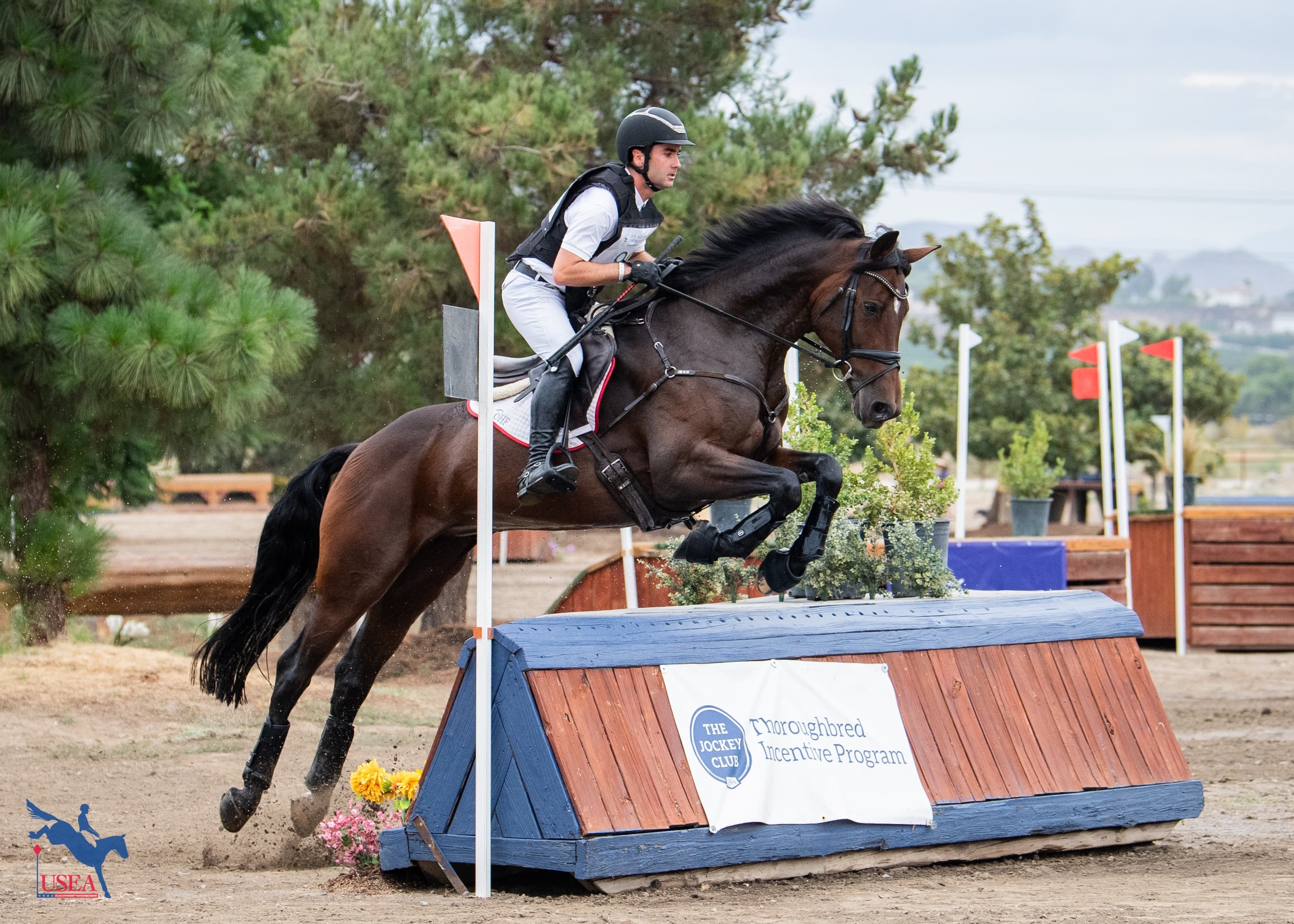
Championing Thoroughbreds in Eventing: The Jockey Club Renews Partnership with USEA
The United States Eventing Association (USEA) is pleased to announce the renewal of its partnership with The Jockey Club for the 2026 season. As part of this continued collaboration, The Jockey Club will return as a Silver Sponsor of the USEA American Eventing Championships (AEC) and a Contributi...
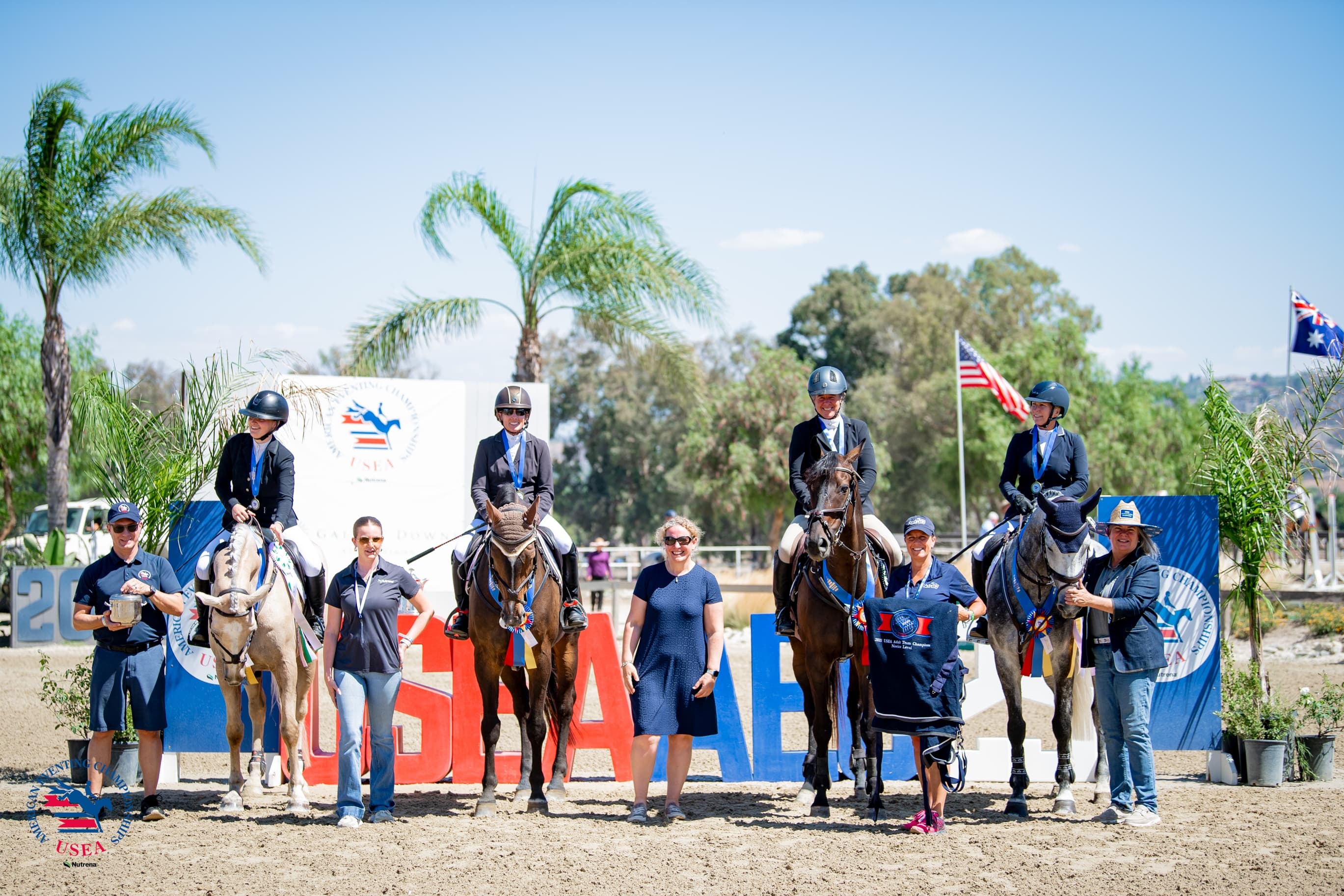
Adams Horse Supply USEA Adult Team Championships: Letter of Intent Reminders
The United States Eventing Association (USEA) is excited to announce the return of the Adams Horse Supply USEA Adult Team Championships (ATC) set to take place at the upcoming USEA American Eventing Championship...
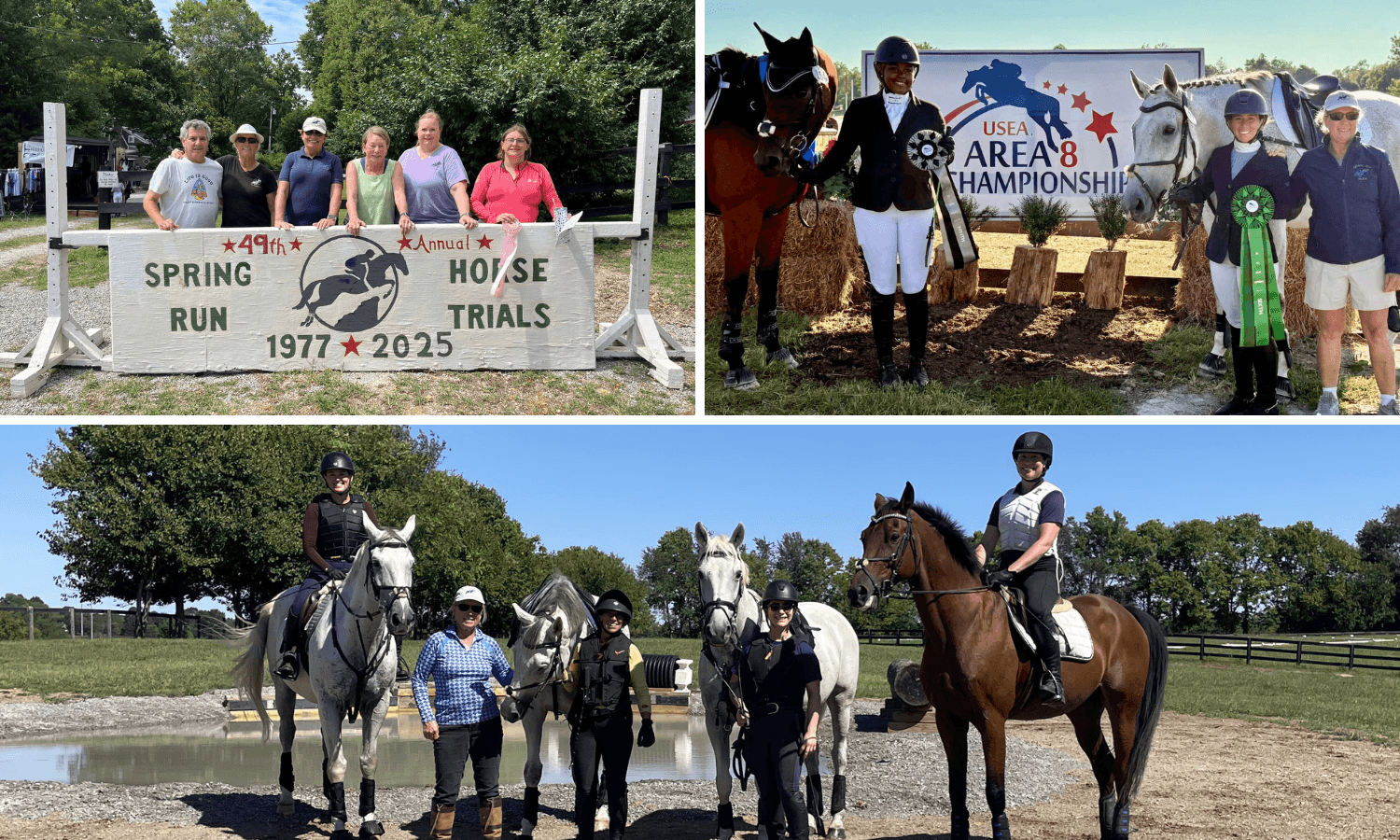
Every Rider Starts Somewhere: A Lifetime of Eventing at Spring Run Farm
Susan Perellis and her Spring Run Farm in Prospect, Kentucky, have been a staple in USEA’s Area VIII since she began teaching in the early 1970s. Over the decades, Perellis has poured her energy into Spring Run, transforming her family’s former cattle farm into a five-barn eventing facility where...