Gallop, Scope, Rideability, and Heart; Evaluating Young Talent at the 2026 Ocala Horse Properties USEA YEH Symposium
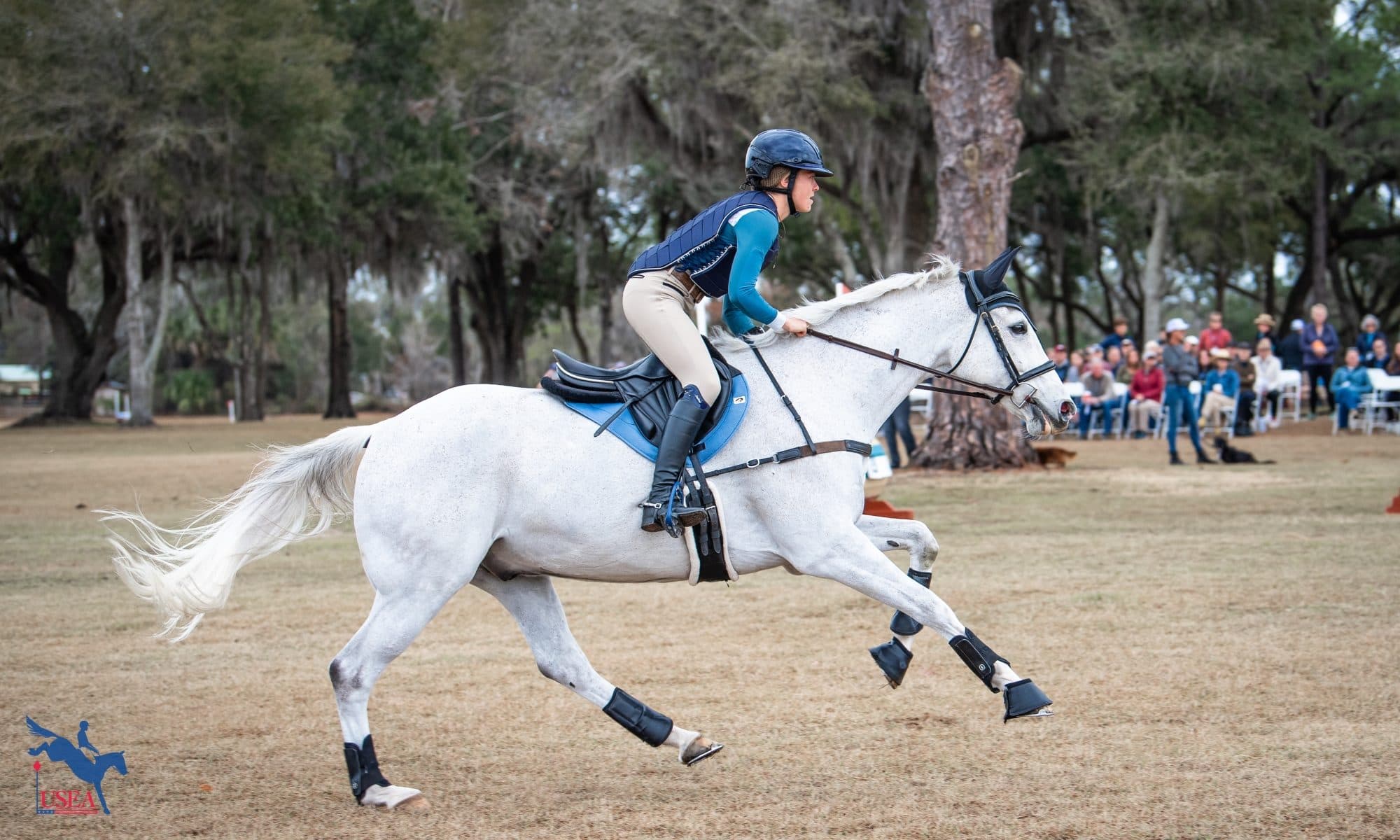
Now heading into its 21st year, the USEA’s Young Event Horse Program aims to spot 4- and 5-year-old horses that have the talent and temperament to excel at the upper levels, particularly the four-star and five-star levels.
The YEH Program gives owners, riders, and breeders the chance to showcase their future stars while encouraging the breeding and development of top-level event horses.
The 2026 Ocala Horse Properties USEA YEH Symposium was held Feb. 16 in Ocala, Florida, and featured top riders, judges, and young horse experts. More than 160 attendees enjoyed a morning session at Majestic Oaks and an evening masterclass at HITS Ocala.
We’ve recapped the morning session below. Stay tuned for a masterclass recap soon!
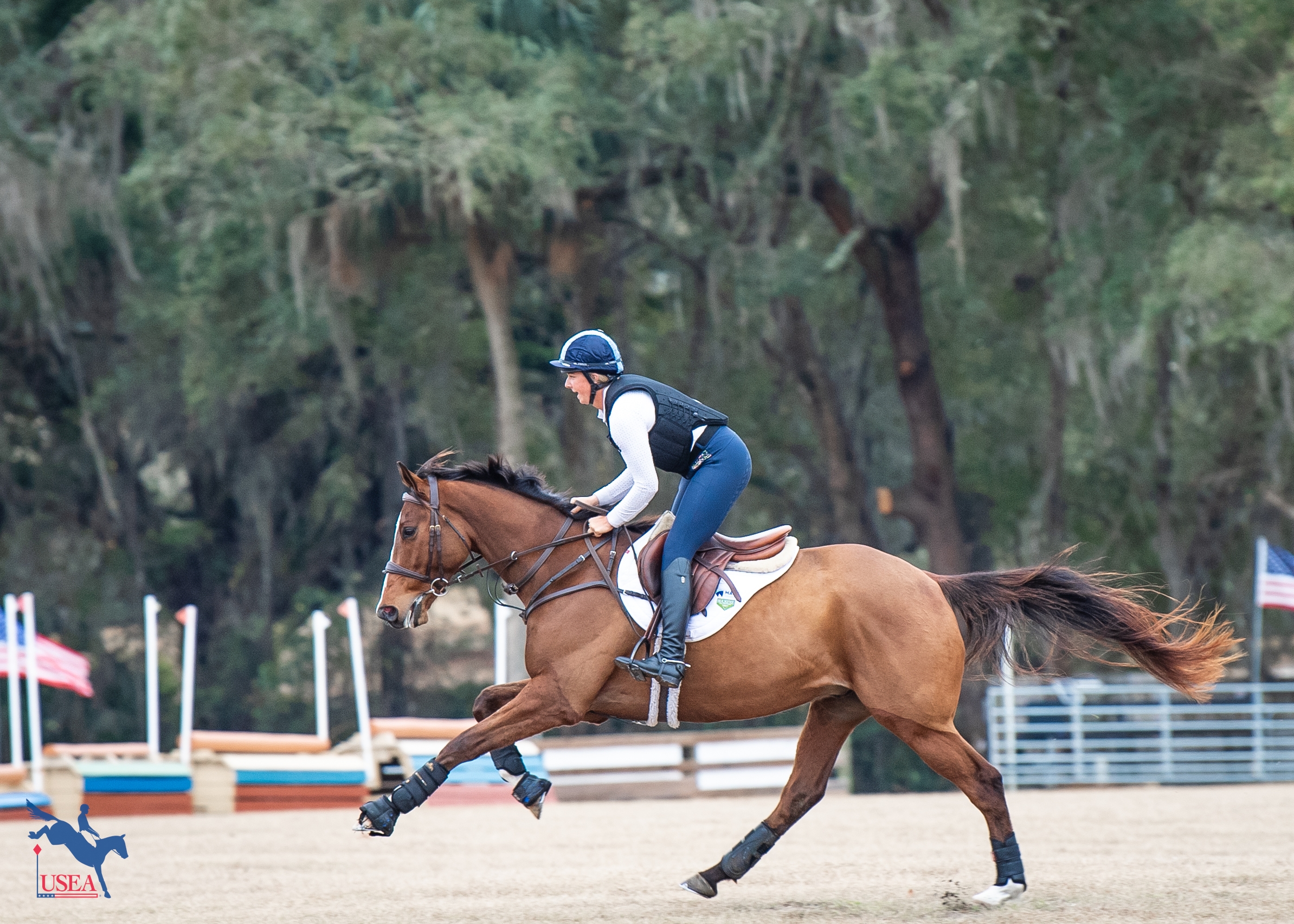
The gallop is a key score on the judge’s sheet during YEH competitions and states, “Desire to go forward, ground covering, balance, ease & efficiency of gallop.”
Five-star rider Lauren Nicholson kicked off the morning session by discussing the gallop.
Nicholson grew up under the tutelage of Karen and David O’Connor and has produced many of her competition horses from the start.
“One thing they said to me early when they were teaching me all this, as a poor kid from Southern Illinois, is that if you learn how to back horses well and do young horses, you always have a job in this industry,” she said. “I think that's super challenging. And it's also so much horsemanship, so much about horses’ personalities and different methods to get the same result.”
She had two students, Caitlin O’Roark and Maya Clarkson, bring their upper-level horses to demonstrate two different types of gallops. She noted that at home, she was taught to use as little bit as possible, then work through any problems and save a stronger bit for competition.
The group watched each horse gallop in a straight line and discussed the pros and cons of each type. “Some prefer one style to the other—nothing wrong with that, but it's just recognizing it, and that it does take an extra technique,” said Nicholson.
O’Roark rode JustIceTheBeast, a 7-year-old Thoroughbred gelding (Elusive Bluff x Amabile) who she’s preparing to take to the Intermediate level this year.
“He runs a little low,” said Nicholson. “He's quick and strong, and he’s taking her, which can be more work, and you have more rider responsibility to make sure you get the balance back.”
Clarkson rode her Advanced horse, Maks Mojo C, a 14-year-old U.S.-bred Hanoverian gelding (Mighty Magic x MS Winter Morning).
“He doesn't look like he's putting much work into this, does he?” said Nicholson. “But I would reckon if you time that, we're pretty close, if not ‘Max’ a little faster. And when you put rideability and jumps into that, that's where you'll see the differences in the pros and cons.”
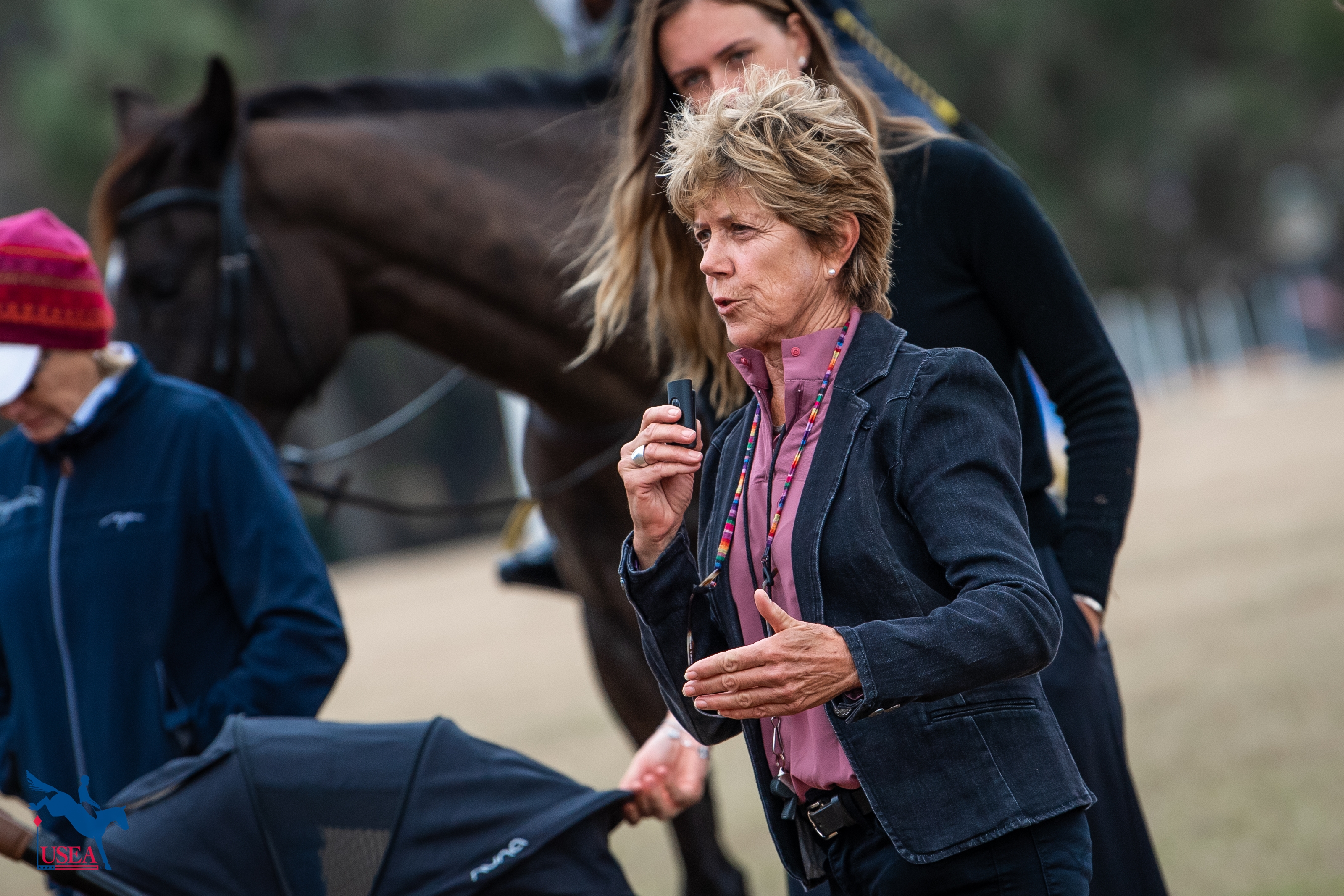
Judge Debbie Adams noted that if the horses were 5-year-olds, she would comment that the Thoroughbred traveled less straight and was a little more against the bridle than the warmblood.
Karen O’Connor noted that the reality is that the sport is made up of about 80% Preliminary and below, so it’s important to think about the ingredients of a gallop for that group as well.
“Clearly, you want rideability—no question about it. You also want something that's very smooth—that the horse doesn't use its head and neck as a counterbalance against you,” she said. “It has to have a balance laterally as well. Of course, straightness is always great. You have got to have a rhythm. And then from that point, recognize what you want. I think there is a horse for every person, and it’s really important that we're not just looking for the five-star horses.”
When thinking about rideability on course, Nicholson added that a horse like JustIceTheBeast would do better having a long-format event as a goal, where you could “pull the trigger.” “If you ran that horse fast at your prep events, you’d have a loose horse and rider,” she said with a laugh. “That's the type of horse that's having time penalties, doing a lot of rideability, et cetera, so that when she gets to the big thing, she has all that versus a horse like Max. That horse is gonna be easier on the twisty, turn-and-burn tracks. He’s instinctually more rideable, and so then he's not going to be able to kind of pull the trigger more often.”
Both riders then jumped a typical YEH course, starting with some show jumps, then heading out on cross-country so they could show the audience how the gallop affects the approach and execution of different types of obstacles.
Four other professional riders presented younger horses, including Woods Baughman on Patricia Luttgen's 6-year-old Trakehner gelding Farhan (Windfall x First Flight Romance). The horse showed varying form over some jumps, but O’Connor wasn’t too concerned. “The fact that he's jumping every jump just a little bit different; that's a good thing, because if they're hanging their knees 10 times in a row, I'd probably get back in my car,” she said.
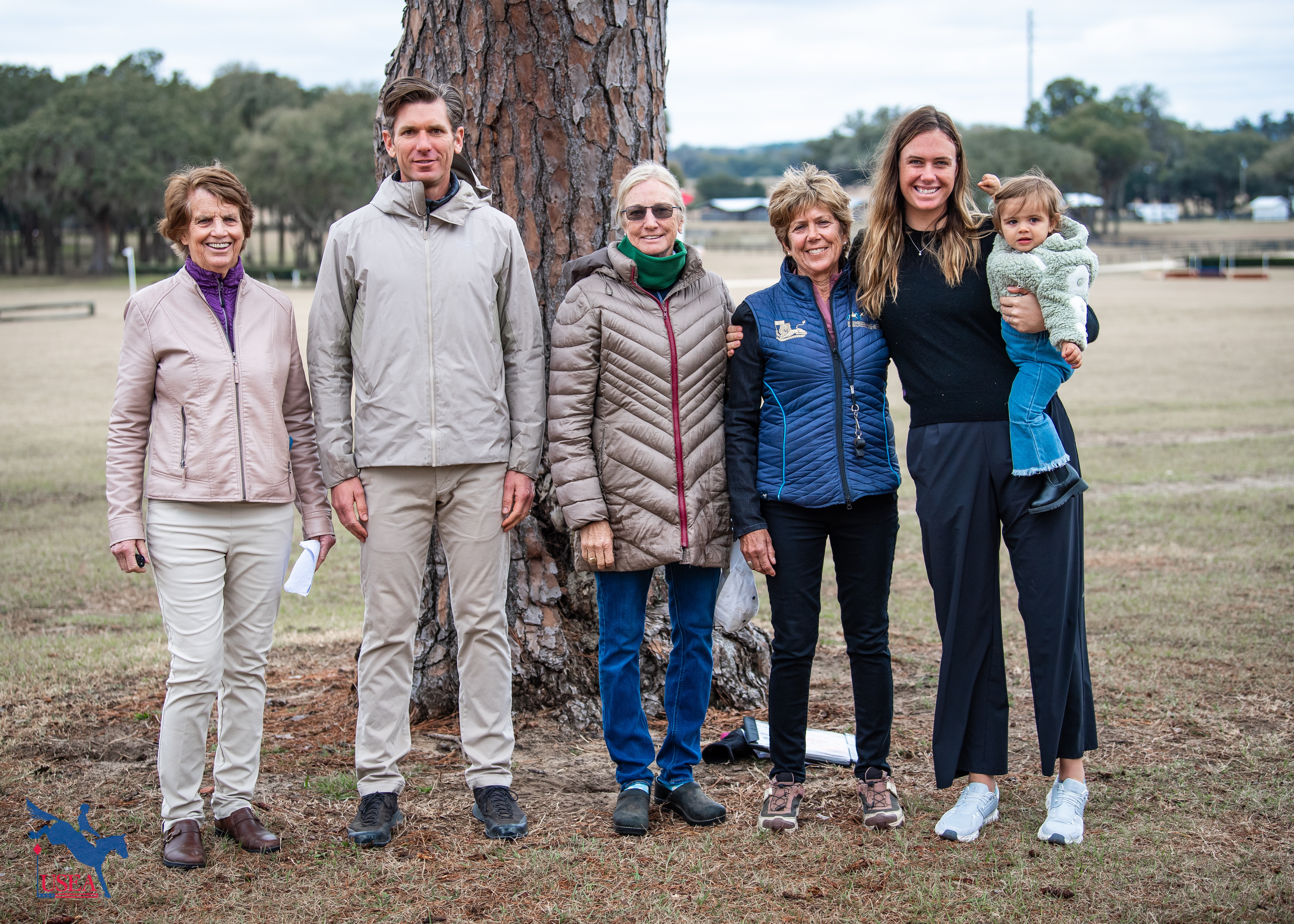
“He was definitely really green,” said Baughman. “When you could take the bit, he doesn't really know how to put his body together, but he certainly goes up, and he did try a lot of different shapes, so that always makes me pretty happy, because they are trying to figure it out and do the right thing. I definitely prefer that.”
He added that the horse’s future ability for the upper levels was a little hard to pin down at a such a young age, which many can be. “He definitely goes up high enough if he wanted to go up, but he has to learn his shape, and he has to learn where his feet are and his balance,” he said. “So that's going to be a question of time and training and getting him experience, and as he gets stronger, we'll know in another year or two. If he's improved a lot, he's definitely going to keep improving, and if not, he's going to be a really nice two-star horse for someone.”
“One thing that we're trying to get through to the judges is that it's not a beautiful hunter round you're looking for, it’s the scope and the style. The horse might not have great style over some jumps, but the scope was good,” said judge and YEH Committee member and judge Marilyn Payne.
Adams noted that there is a temperament and rideability score on the YEH judging sheet, and all of the panelists agreed that is a good temperament is a key criterion whether you want the horse to go Novice or five-star. Five-star rider Caroline Pamukcu also added that at least 80% Thoroughbred blood is helpful when trying to reach the top levels.
Buck Davidson rode Oxford, Sandra Powers' and Eileen Galoostian's 7-year-old Dutch Warmblood gelding (Chapeau TN x Chanel E), who’s competing at Preliminary. The judges were impressed with his style and scope, and Davidson explained what he’s learned from his years of working with young horses.
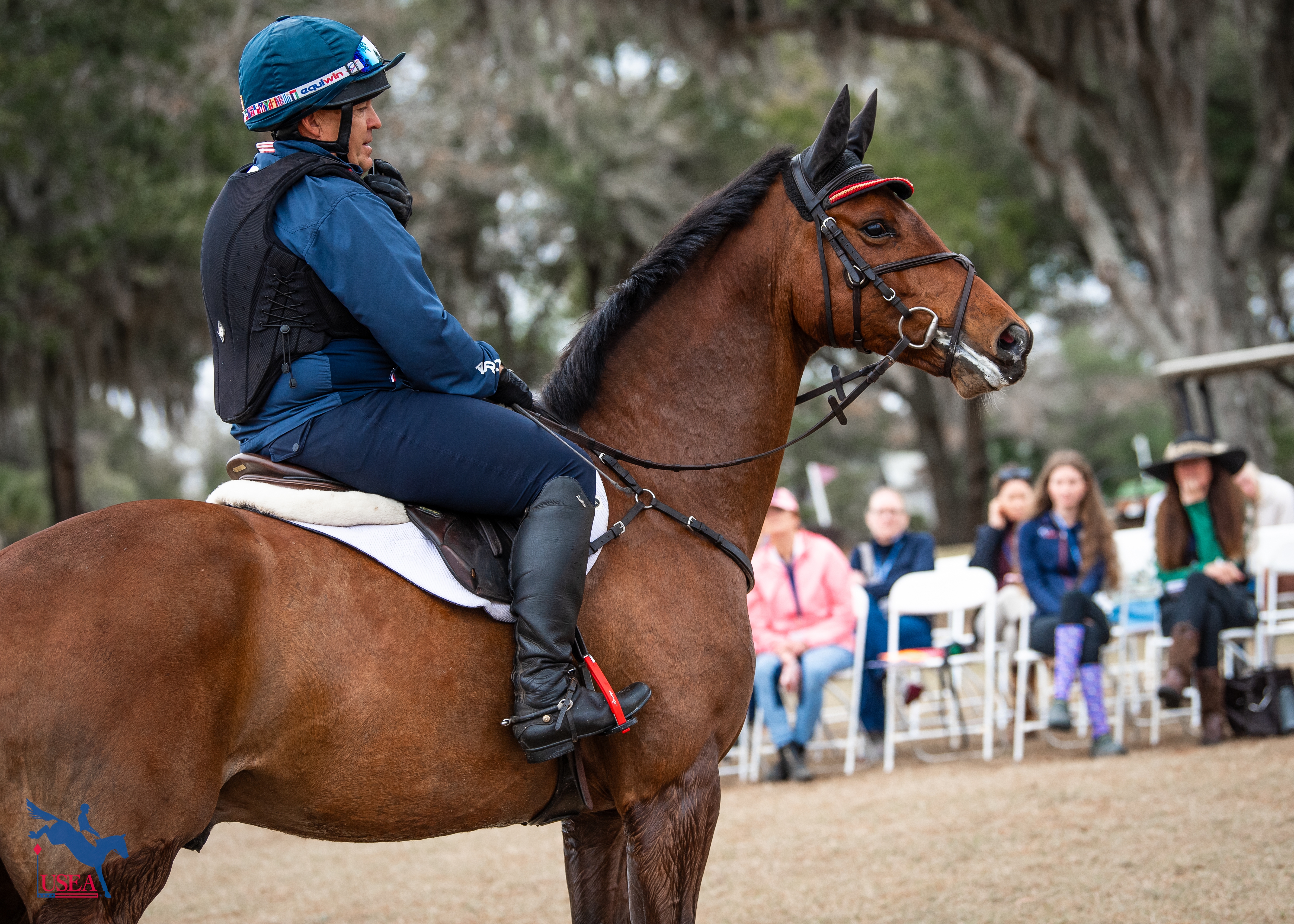
“Horses that jump little jumps really well, sometimes they're useless over big jumps. And horses that can really jump are actually useless over small jumps,” he said. “I was always taught to look at how high their belly got over. A horse that says, ‘Oh,’ with his belly and is good with his legs doesn't mean he can get his belly up when he really needs We're all thinking, oh, their legs are perfectly together. But if you're looking for the real deal, judge where the girth is above the fence.”
Despite all the jumping talent and correct conformation a horse can possess, the panelists and riders all agreed that the “look of eagles” and heart of the horse is the most important ingredient to a talented event horse, whether it’s going Novice or five-star.
Davidson concluded, “Like people, if you can’t really look them in the eye, I don't really want to deal with them. I love Oxford’s eye. He's got something about him. You can look at the top 10 at Kentucky or Burghley, Badminton. They might all be different sizes, colors, whatever breed. But there's something about each one of them, right?”
About the USEA Young Event Horse (YEH) Program
The Young Event Horse (YEH) Program was first established in 2004 as an eventing talent search. Much like similar programs in Europe, the YEH program was designed to identify young horses aged four- and five-years-old, that possess the talent and disposition to, with proper training, excel at the uppermost levels of the sport. The ultimate goal of the program is to distinguish horses with the potential to compete at the four- and five-star levels, but many fine horses that excel at the lower levels are also showcased by the program.
The YEH program provides an opportunity for breeders and owners to exhibit the potential of their young horses while encouraging the breeding and development of top event horses for the future. The program rewards horses who are educated and prepared in a correct and progressive manner. At qualifying events, youngsters complete a dressage test and a jumping/galloping/general impression phase. At Championships, young horses are also evaluated on their conformation in addition to the dressage test and jumping/galloping/general impression phase. Click here to learn more about the Young Event Horse Program.
The USEA would like to thank Platinum Sponsor, The Dutta Corp., Gold Sponsor Goresbridge, as well as Contributing Sponsors ARMA, Bates Saddles, CrossCountry App, FLAIR Equine Nasal Strips, Gallagher's Water, HorseWeek, The Jockey Club, Kerrits, Marshall+Sterling, Schneiders Saddlery, SmartEquine, and Standlee, and Prize Sponsor 100xEquine for sponsoring the Young Event Horse Program. The USEA also thanks Ocala Horse Properties for their support of the 2026 USEA YEH Symposium.
Related Articles
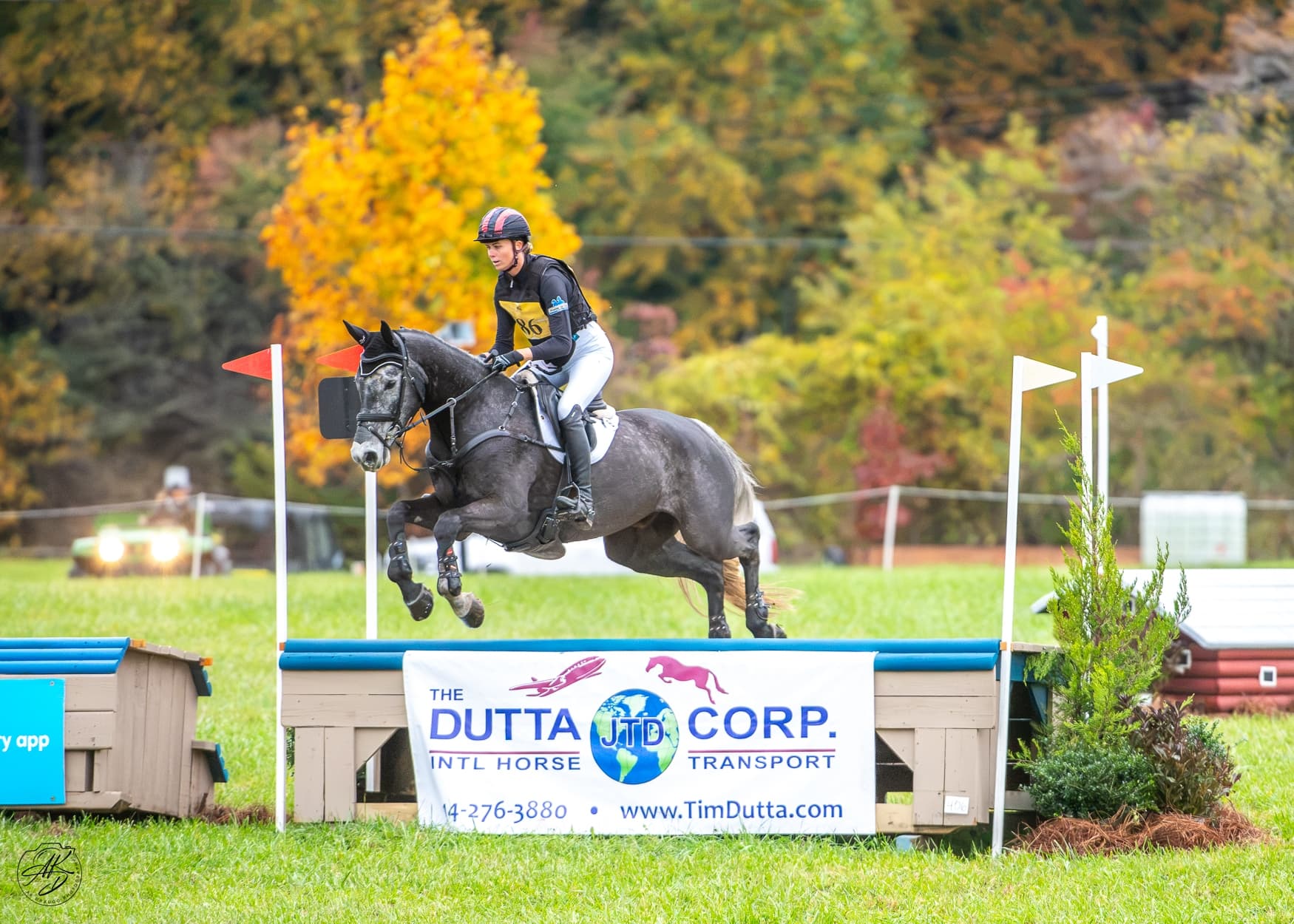
HSH Moves Like Jagger Takes Center Stage in USEA YEH East Coast 5-Year-Old Championship
It was a weekend to remember for Caroline Pamukcu at the 2026 Dutta Corp. USEA Young Event Horse (YEH) East Coast Championships at Fair Hill, as she followed up Friday's victory in the 4-year-old division with another championship title on Saturday, this time aboard HSH Moves Like Jagger. The 5-y...
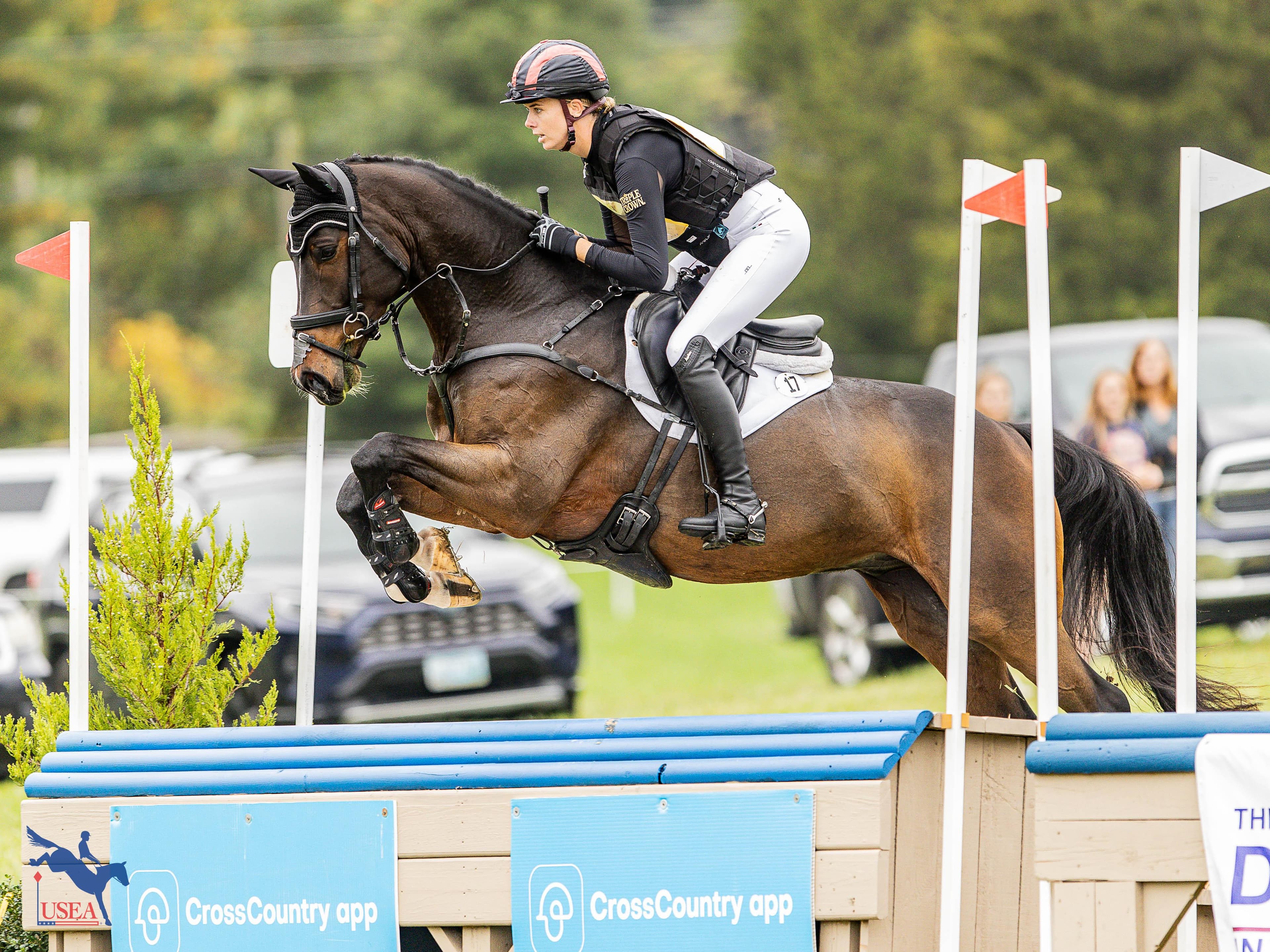
HSH Straight Arrow Hits the Mark in 2026 USEA Young Event Horse East Coast 4-Year-Old Championship
Caroline Pamukcu added another USEA Young Event Horse (YEH) Championship title to her résumé today at Fair Hill, piloting HSH Straight Arrow to victory in the 2026 USEA YEH East Coast 4-Year-Old Championship. The 4-year-old Irish Sport Horse gelding, owned by Pamukcu and Sherrie Martin and bred b...
A Plea From Your Friendly Social Media Manager: Please Stop Using AI on Your Sale Horse Photos
I get it. You want to sell your horse. You have a photo from a show photographer, but it's not quite what you envisioned. The horse looks fine, but not great. The background is the schooling ring. The lighting is flat. And there's this tool that can fix all of it in seconds.