Liability and Coverage Gaps Every Equestrian Owner Should Understand
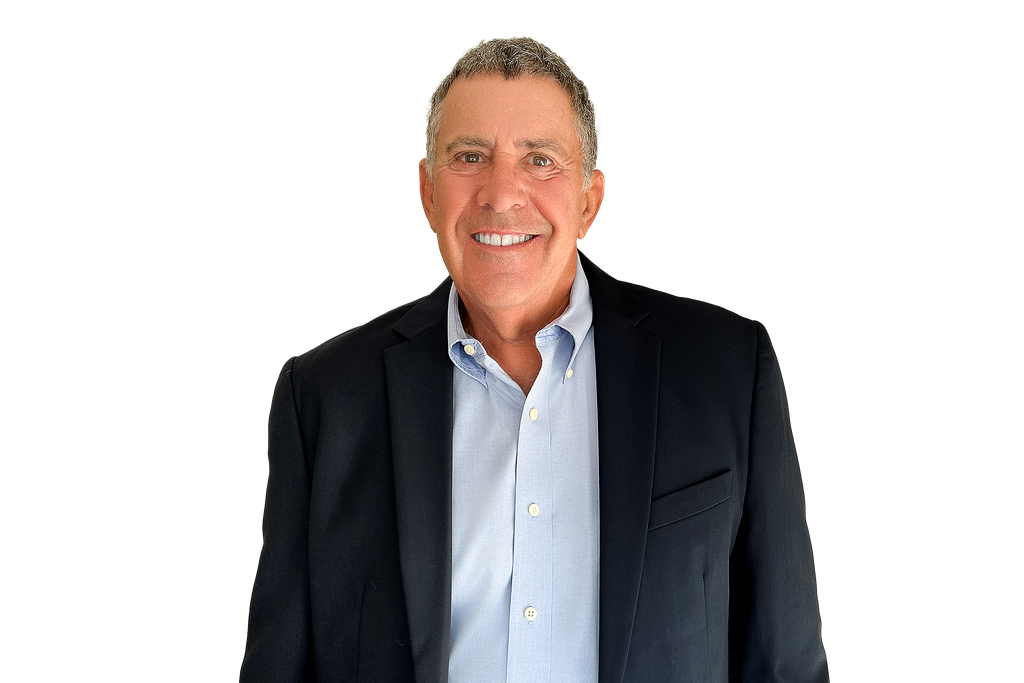
If you own a farm or run a training business, farm insurance and liability insurance are essential. We spoke with Don Graves, President of the Marshall+Sterling Equine Division, about the most common coverage gaps he sees and how equestrians can better protect what they’ve built.
A lifelong equestrian, Graves founded Equisport Insurance Agency in 1984. Marshall+Sterling acquired his company in 2013, expanding its national equine risk capabilities, and Graves continued leading the division. A successful amateur hunter rider and father of two, he is based in Wellington, Florida, and works with trainers, competitors, and farm owners nationwide.
Why should a farm owner consider farm insurance?
If you look at the farm itself, consider your structures and the potential for catastrophic losses such as fire, windstorm, or hail. These events can cause significant damage to barns and other buildings, and rebuilding can be costly. . It's like insuring your home—you want to insure those farm structures for when something happens.
What are some of the things an owner should consider when evaluating coverage for their farm?
You look at the structures—barns, houses, sheds, and the equipment, including tractors, that are on the property, all the things that you've spent money on that you're going to have to replace if there's a loss. Ask yourself: can I afford to lose it? I am not an advocate of insuring every little thing that you have. You do have to self-insure some of it, otherwise, you're just going to go insurance broke.
Take fencing for example. On a large farm, this could represent a significant investment. It may not be practical to ensure all of the fencing, but it’s worth getting a quote and understanding the cost. Whatever makes you sleep fine at night is really what you should do. It's like a piece of jewelry. If you can't afford to lose it, or can't afford to insure it, you probably shouldn't be wearing it.
Location also plays a major role. A farm in South Florida, a fire zone in California, or in a tornado zone in the middle of the country, you may have fewer coverage options, or you might have to go to a specialty market like Lloyd's of London, and your premiums could be higher in situations like that.
Here in South Florida, because of the hurricanes, insuring a wood frame barn is more challenging. and may require a specialty placement which tends to get expensive.
Why is liability insurance important to equestrians?
From the liability standpoint, we live in a litigious society, and liability coverage is really protection for our clients, for the trainers, or the farm owner if something goes wrong and somebody sues—somebody falls off the horse, somebody slips and falls, somebody gets kicked, somebody gets bit. It’s unfortunate, but it is kind of the way of the world. When something doesn't go well, there could be a lawsuit against the trainer or the farm owner. Liability coverage can assist with legal defense if a lawsuit is filed and, when appropriate, help cover settlements.
Can you talk about why a personal horse owner’s liability plan might be beneficial?
I use the reference that when you have a homeowners insurance plan, you are usually covered if your dog goes out and bites somebody. In many cases, not all cases, that homeowner’s policy will not cover you for actions of your horse. So, if your horse bites or kicks someone, your homeowner's liability coverage may not cover you.
A personal horse owners liability policy addresses the actions of your horse that cause bodily injury to a third party—whether that’s a bite, kick, or accident in a paddock. Even if a child is feeding them a carrot, and a horse bites her finger, the parents won’t be happy and could sue.
A personal horse owner’s liability policy is not expensive [often just $250 a year for a $1 million coverage limit] and is worthwhile to take. When clients call me and say, ‘Should I have it?’ I say, ‘Call your homeowner's insurance agent, ask them if they will cover my horse like they do my dog,’ and get a yes or no. Usually, the agent doesn't know or the answer is a firm ‘No,’ so they come back to us, and they buy that personal horse owner’s liability policy.
Are there any other trends in equine insurance that USEA members should be aware of when shopping for insurance?
In many ways, equine insurance has actually stayed very consistent through the years. There's insuring the horse. There's mortality, which is essentially life insurance for the horse. There's your major medical for medical reimbursement. And there are other coverages, like if you get into breeding.
Major medical has changed through the years, but that goes with technology. There’s MRIs, stem cell, there are Platelet-Rich Plasma (PRP). But mortality insurance on the horse is basically the same as it was 20-30, years ago.
One area where we have seen changes over the last five years or so is with the availability of major medical/surgical coverage for certain uses, including eventing, and for horses valued at less than $20,000. But I’m happy to say at Marshall+Sterling we work with pretty much every U.S. carrier that will offer that coverage for eventers, regardless of their horse’s value. [RM1] So, you could buy a Thoroughbred off the track for $2,500 and we could still insure that horse for mortality as well as comprehensive medical/surgical up to $15,000.
My advice: understand what you're buying. Understand your horse insurance policy; understand your farm policy. Work with someone who understands the equine world. Horse people love dealing with horse people.
About Marshall+Sterling
Founded in 1864, Marshall+Sterling is a 100% employee-owned national independent risk solutions partner, providing business and personal insurance, employee benefits, and wealth management solutions. Marshall+Sterling is committed to empowering customers to predict, prepare for, and preempt risk—creating a future that’s safer and more secure. Headquartered in New York and licensed in all states and the U.S. Virgin Islands, the firm is regularly recognized among the top 50 of privately held insurance brokers in the United States.
Related Articles
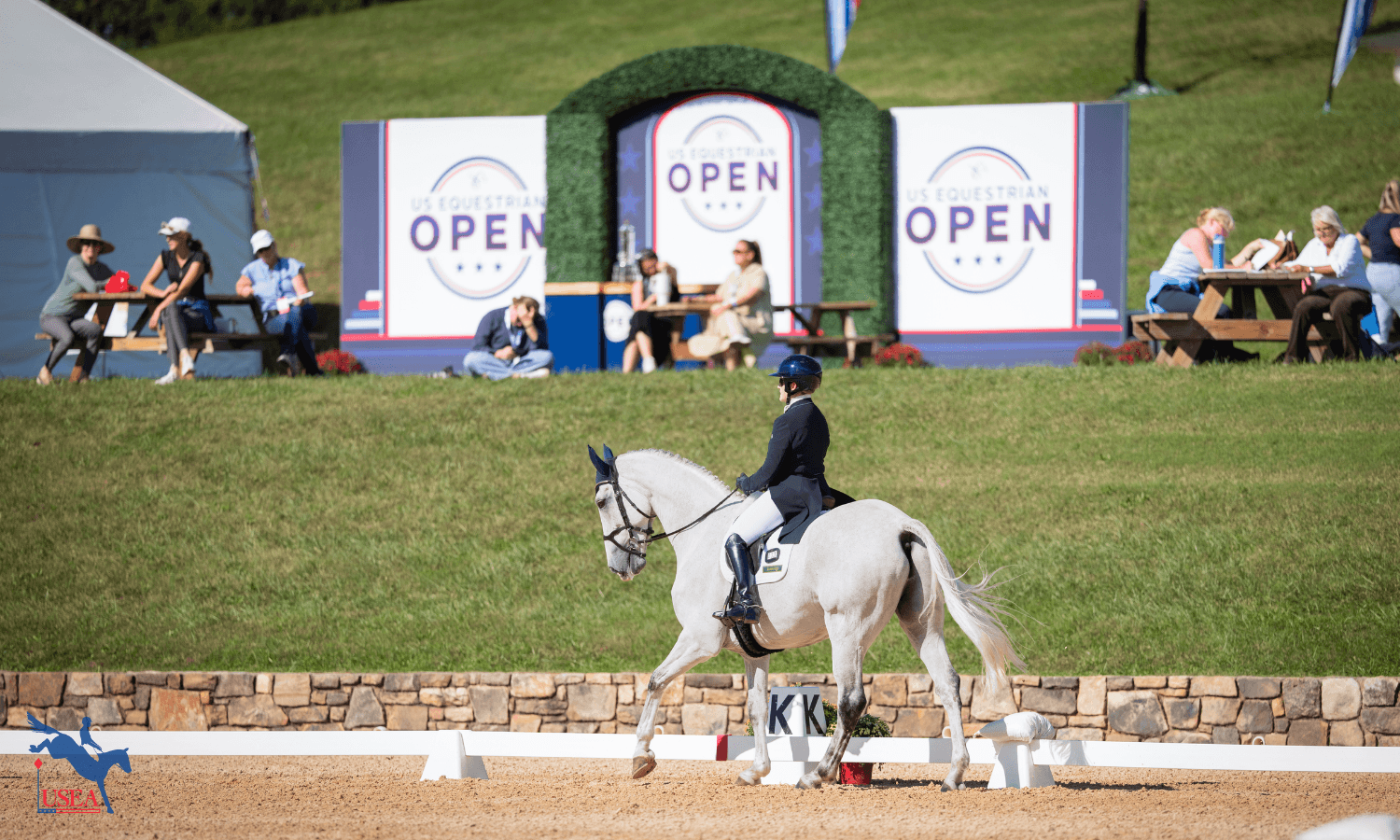
Severson and Cooley Corraghy Diamond Earn Early Lead After Day One of Dressage in the US Equestrian Open Eventing Final CCI4*-L
Leesburg, Va.—Oct. 8—The first 17 horse-and-athlete combinations took their turn down the centerline today as the first day of dressage kicked off in the US Equestrian Open Eventing Final CCI4*-L, hosted at Morven Park in Leesburg, Va. Olympic medalist Kim Severson (Charlottesvil...
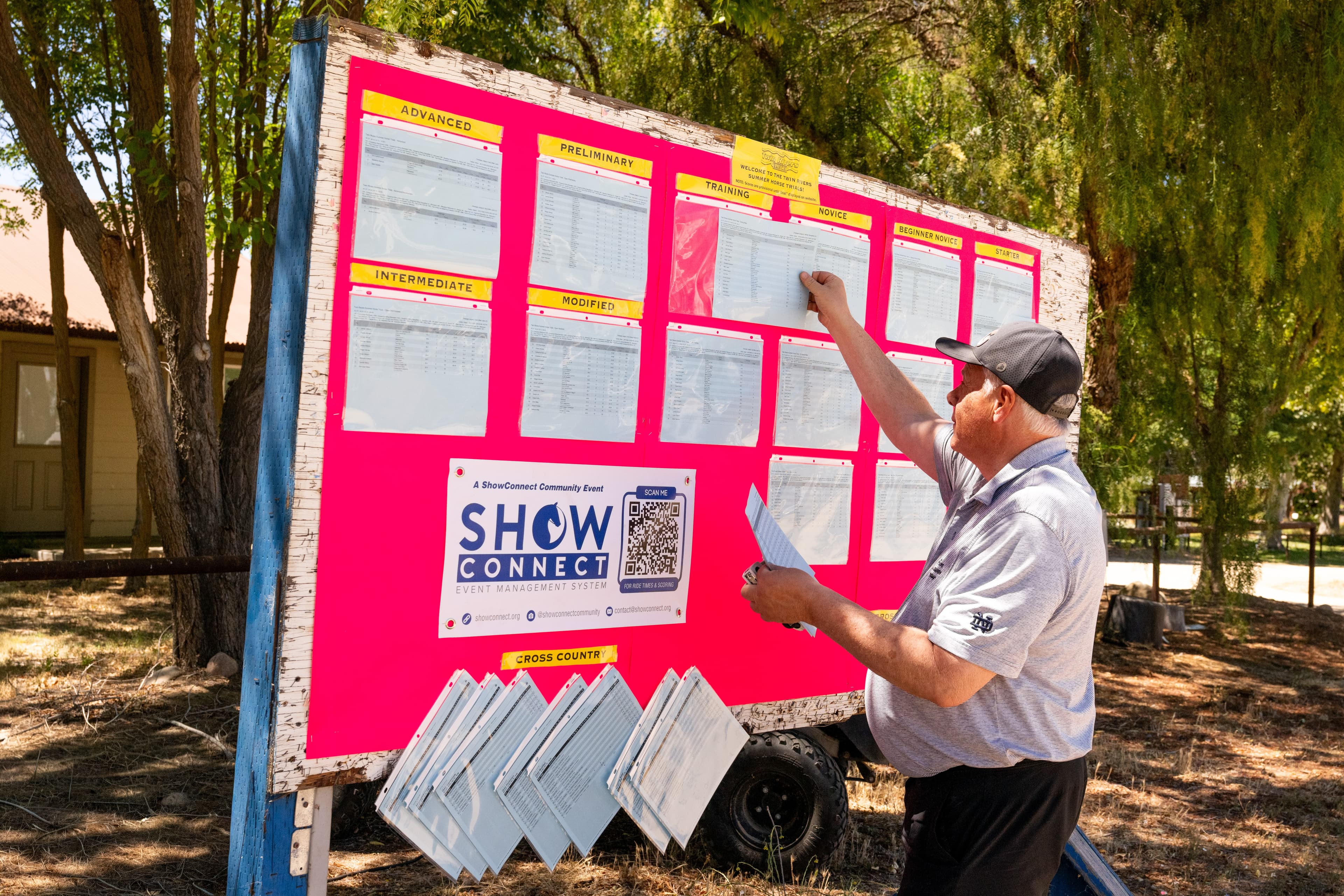
Bring Your Event to Life with ShowConnect
A great event gives everyone something to follow. Competitors can find the information they need. Spectators stay connected to the action. Announcers have the details that make each ride a story.
ShowConnect’s latest features help organizers create that experience while giving the show-of...