Define Your Terms on Day 1 of the 2025-2026 EA21 National Camp
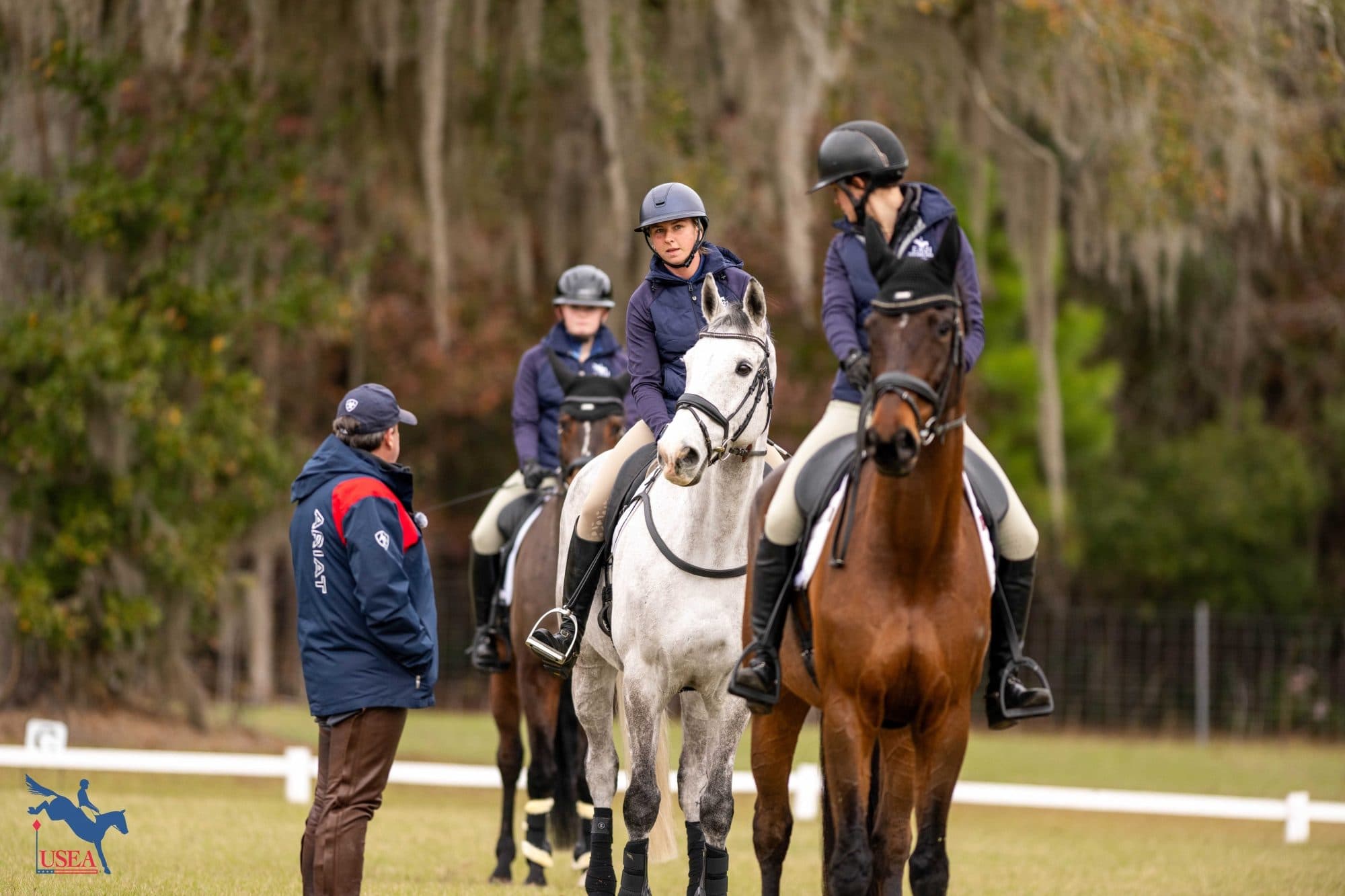
Ocala, Fla.—Dec. 30— Many of us may remember from our school days the saying: “define your terms.” In math class, in science class, and maybe even in English class, we were told to introduce the definition of the technical language we were using, never assuming it was too obvious or basic. But in our riding lessons, perhaps it was unlikely we would do the same detailed and attentive breakdown.
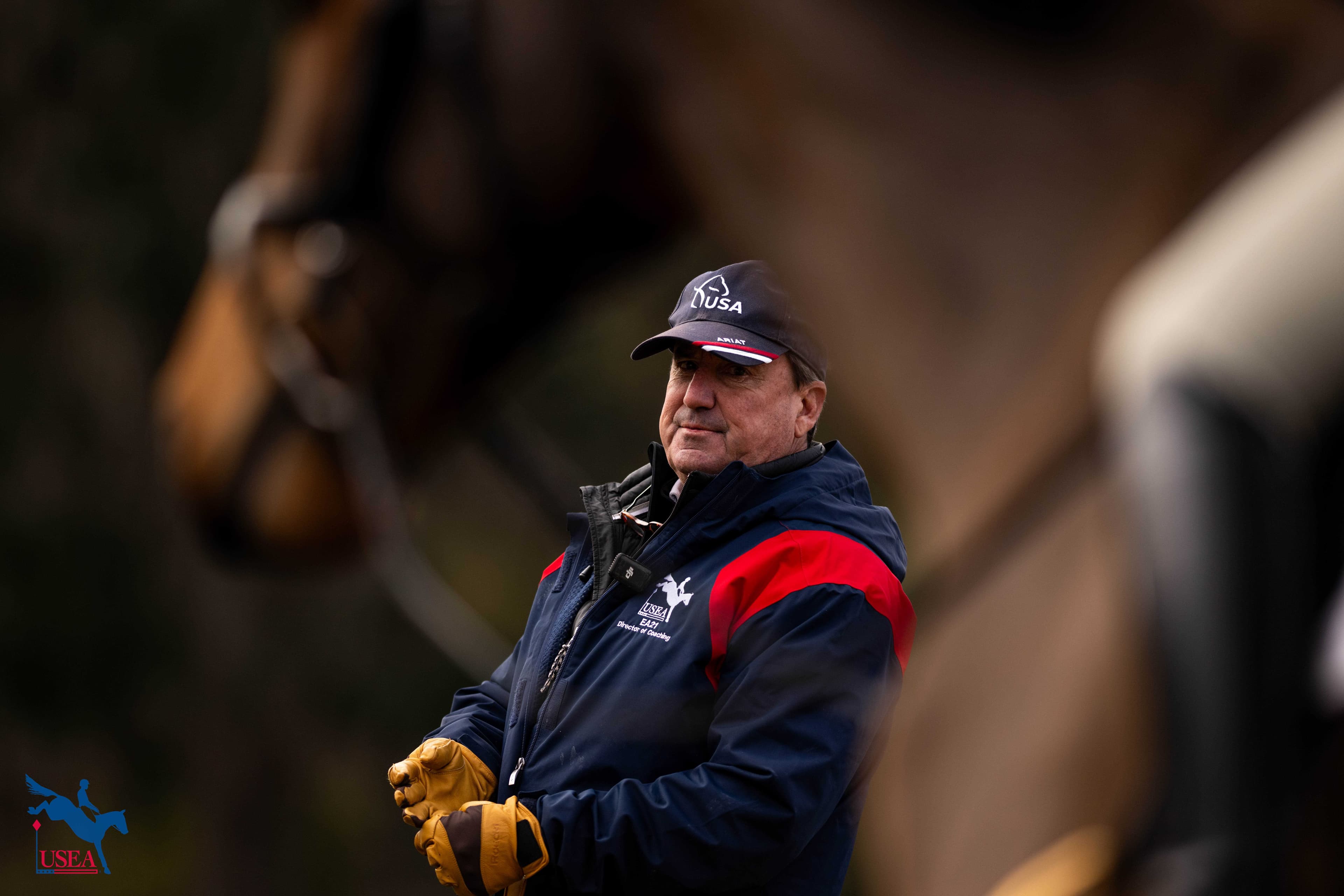
For David O’Connor, Director of Coaching of the USEA Emerging Athletes Under 21 (EA21) program, the theory of riding deserves as thorough a defining process as any academic pursuit. “What do we mean when we say more leg? What does it mean that was a good jump?," he asked the twelve selected athletes in their first classroom lecture of the week. “In order to ride better, you need to know the difference between how and what.”
At the core of the EA21 program lies the tenet of consistent instruction. Every regional clinic and every national camp begins with a review of the German training scale, a tool to guide the training process from the just started three-year-old to the experienced campaigner. Beginning with the definition of the terms, O’Connor asked the participants to go through the pyramid and use their own words to explain the concepts of the pyramid: rhythm, suppleness, contact, impulsion, straightness, and collection.
He did not accept lofty explanations such as “circular flow of energy” but strove to break the concepts down to their simplest parts:
- Rhythm is purity of gait; is the trot two beats? Is the walk one?
- Suppleness is flexibility. Just like any athlete, horses have physical limitations and need to develop strength.
- Contact is the acceptance of the communication. The horse accepts what the rider is conveying, and the rider is clear in their language.
- Impulsion is energy. Does the horse have the desire to go forward? This can be mental as well as physical.
- Straightness is evenness. Is the horse equal in forward and back as well as side to side?
- Collection is the direction of energy. More energy moving up is more collection; the size of the step doesn’t necessarily have to change.
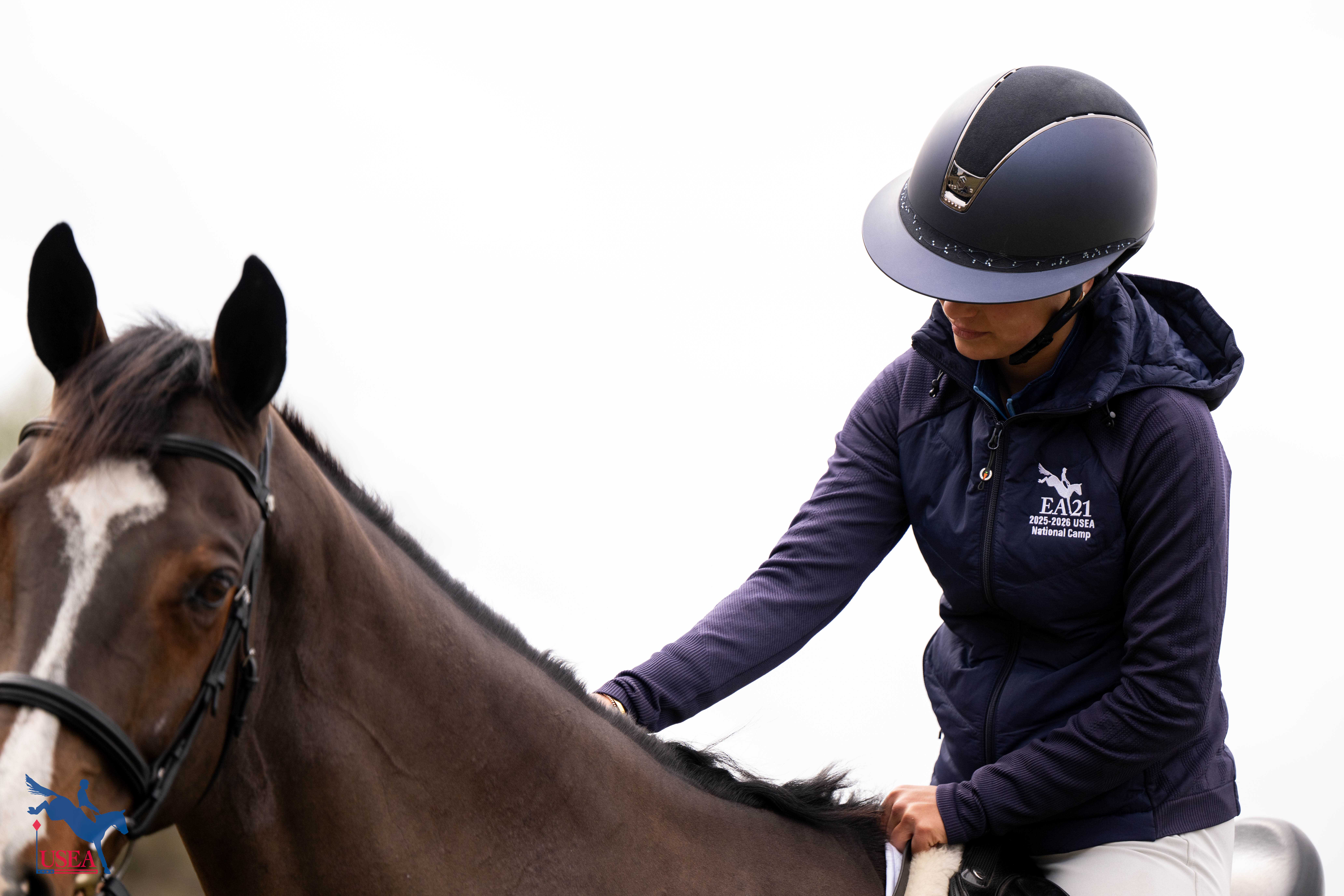
Paige Beauchamp Crandon, who is attending the EA21 national camp for the first time, found that explanation only deepened her understanding.
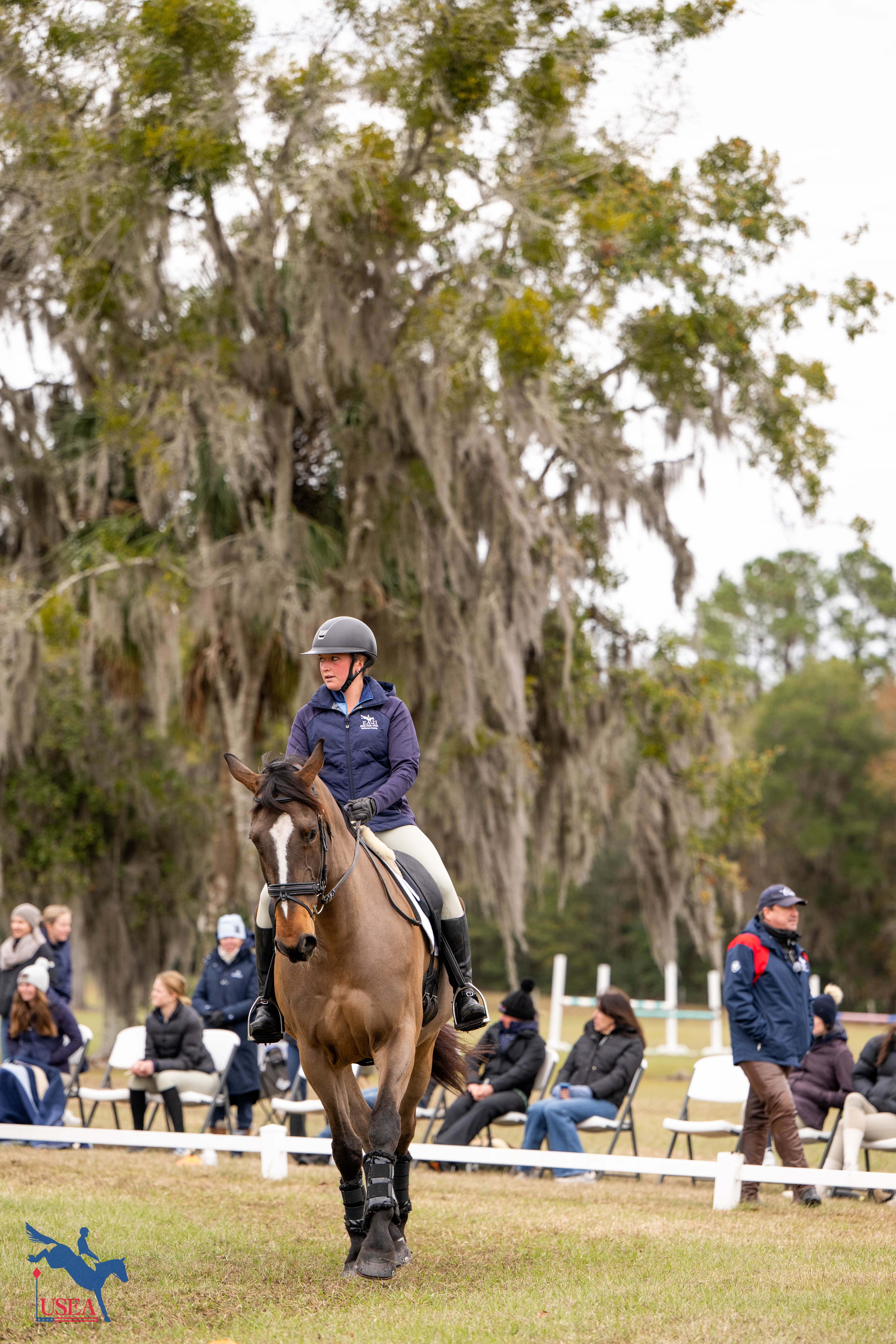
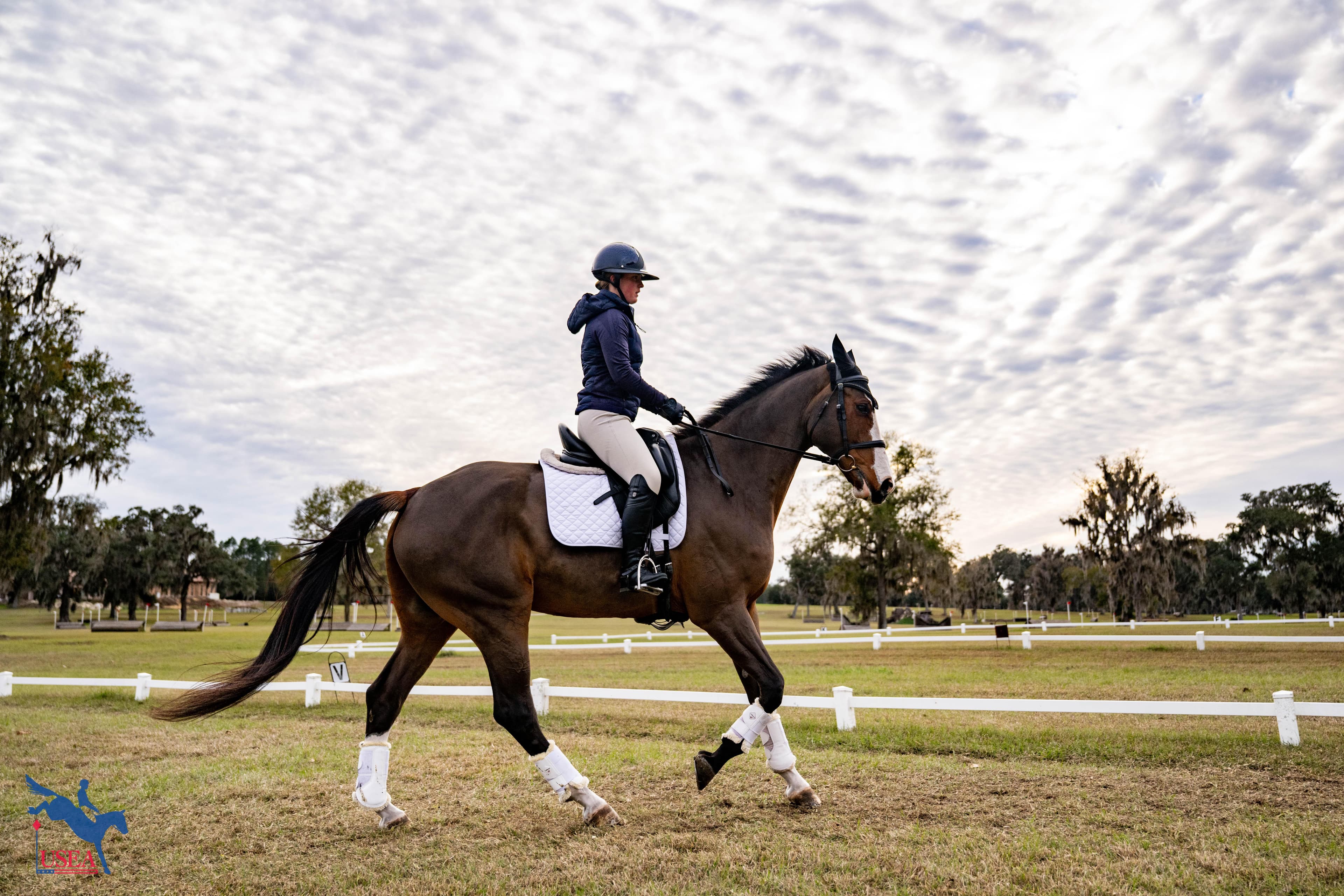
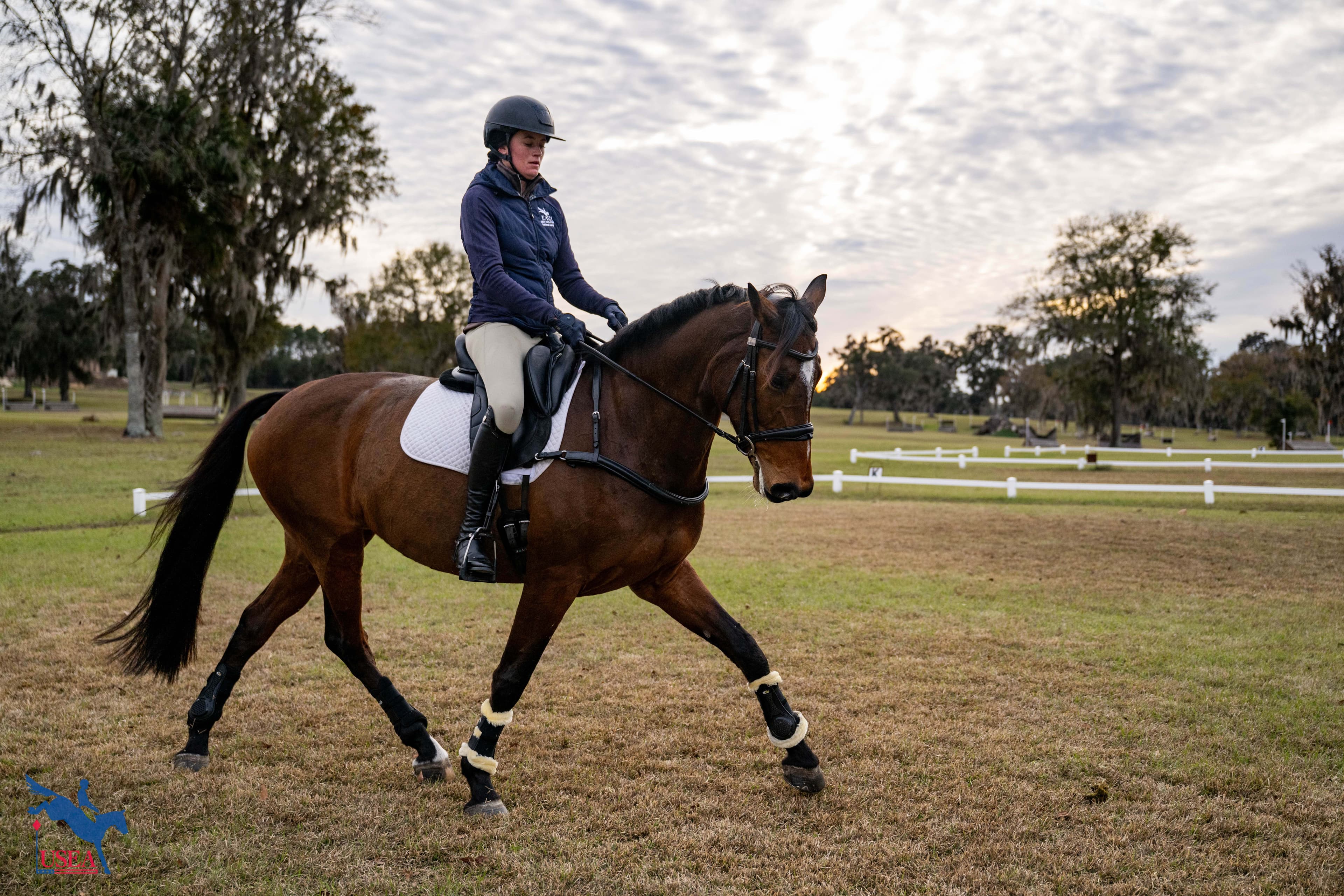
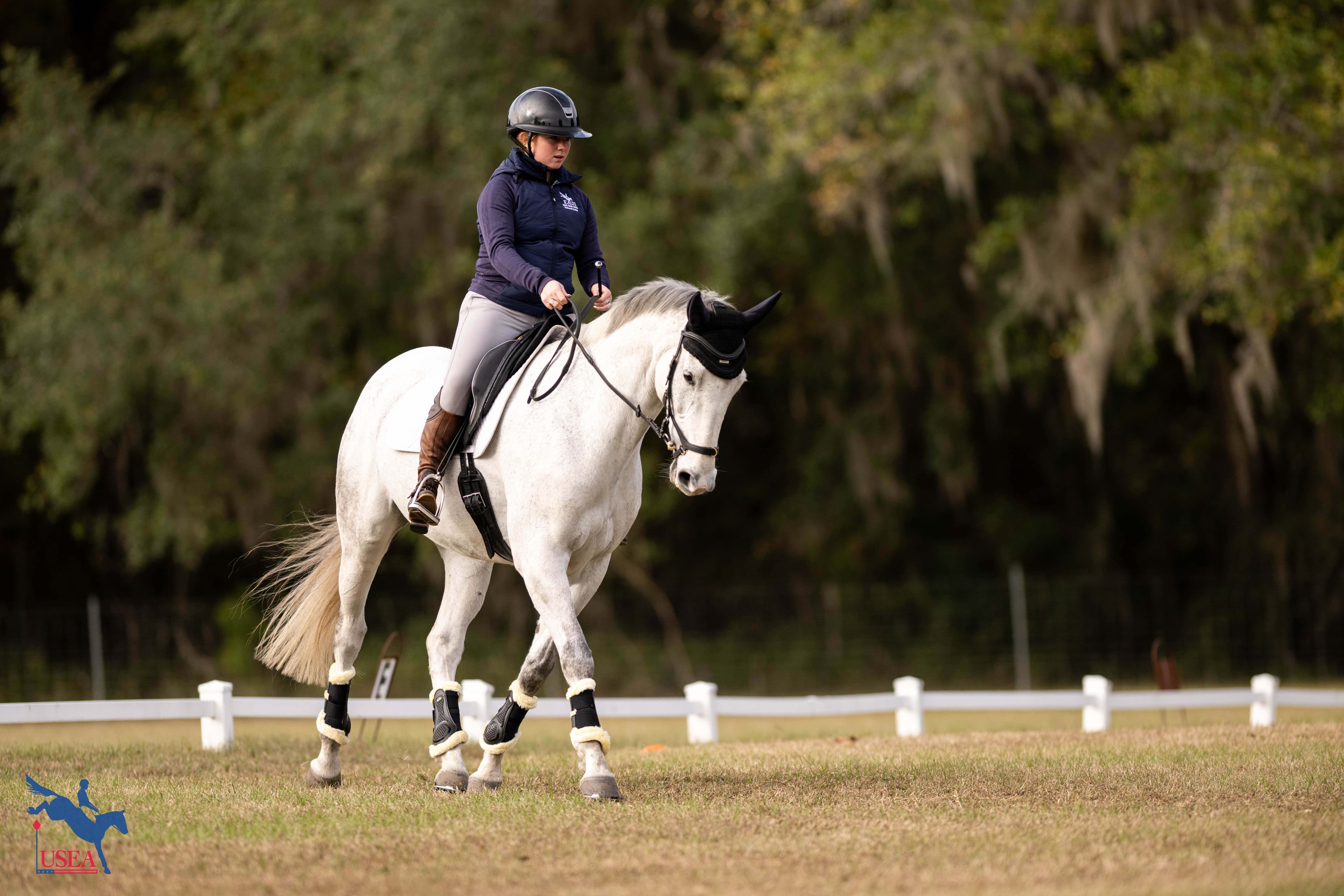
“It's something that's so simple, but still is a foundation for everything that we've done. I'm just trying to wrap my head around what's happening today!” She went on to add that watching was just as valuable as the lecture and her own riding. “When he had [the first group] start on the 20-meter circle, one of the horses was a bit on edge. He was tiptoeing around, but [the rider] stepped into her stirrups, really sat down, moved with the horse, and he started relaxing into the connection. It was just really interesting to see how impactful those [changes] are.”
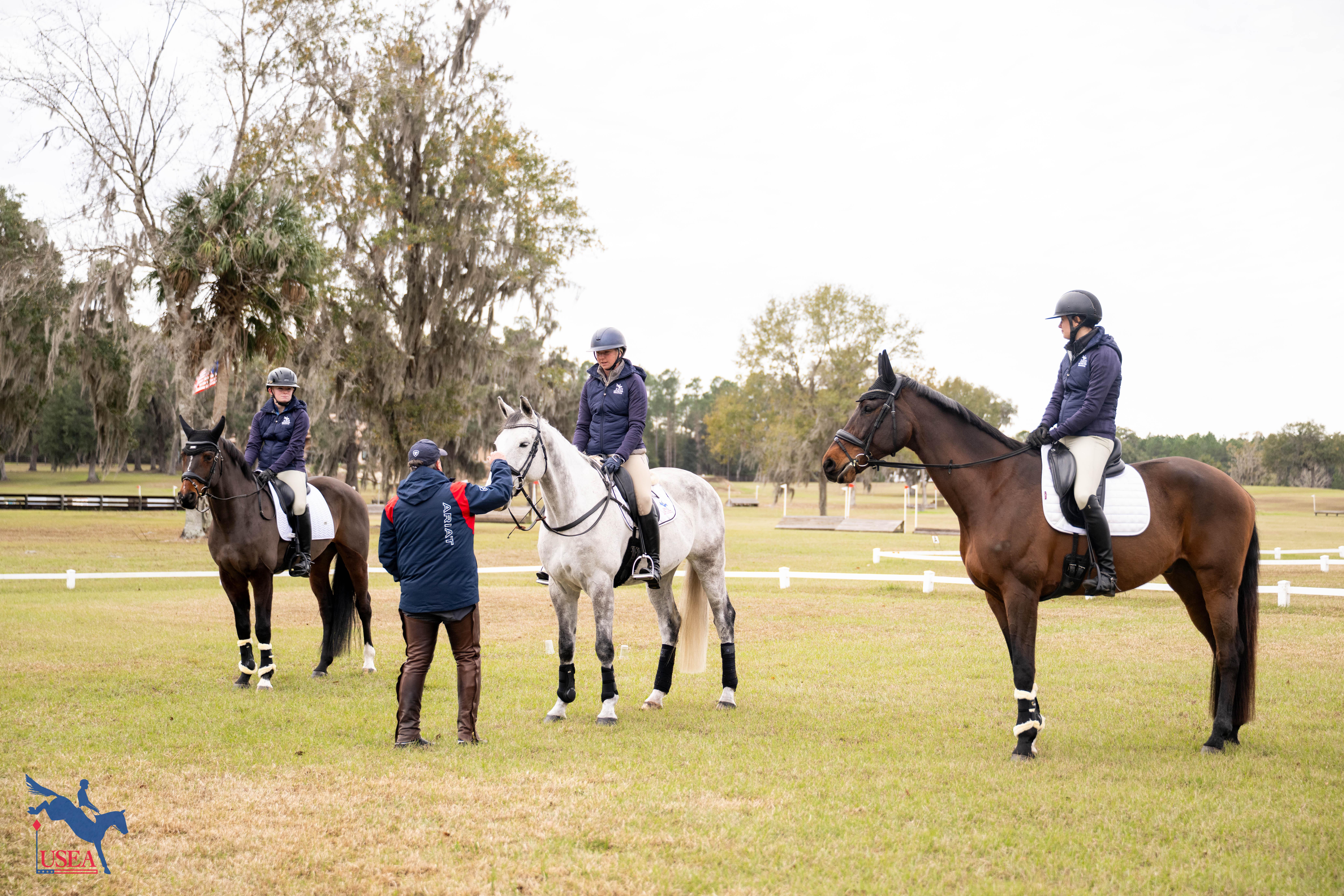
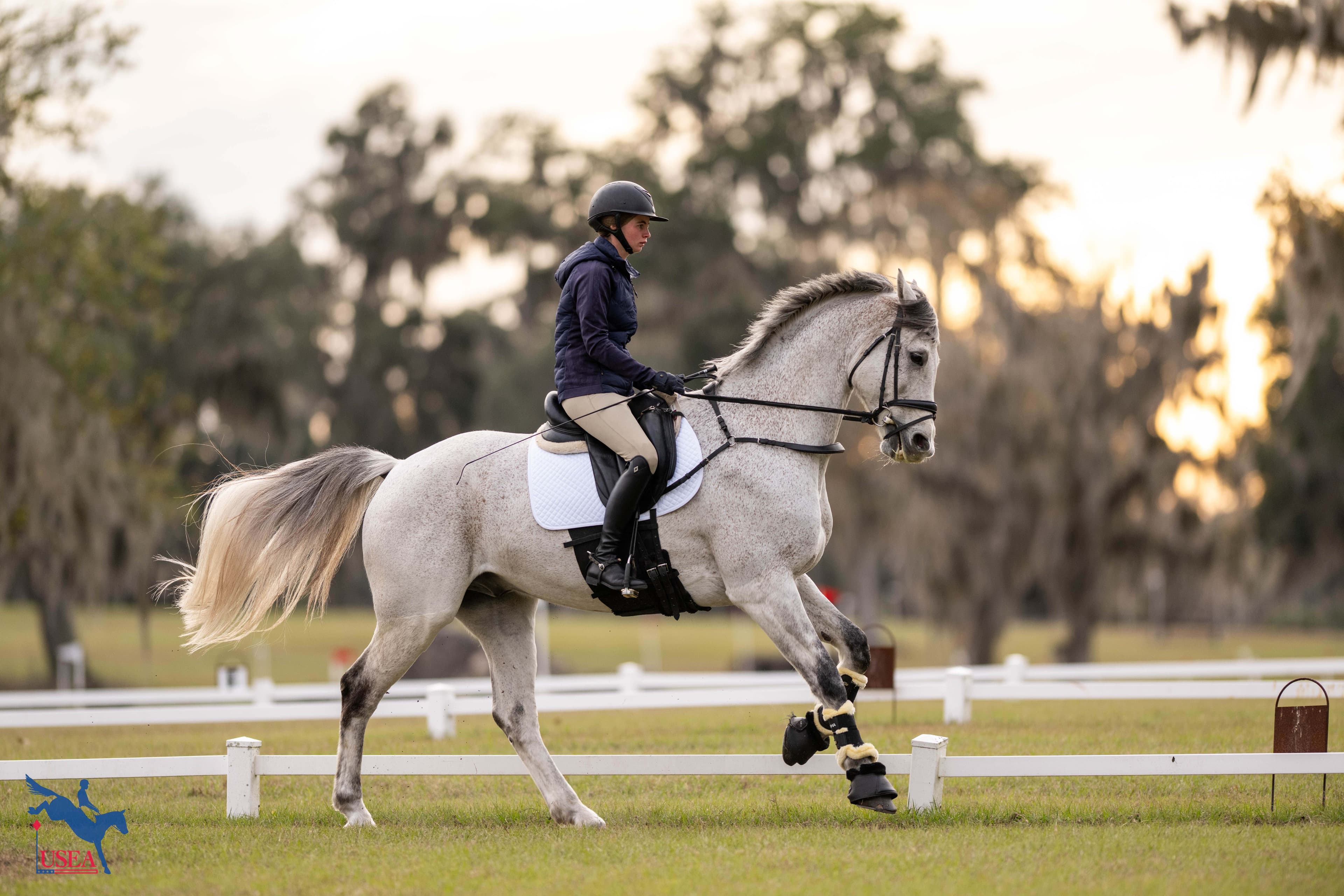
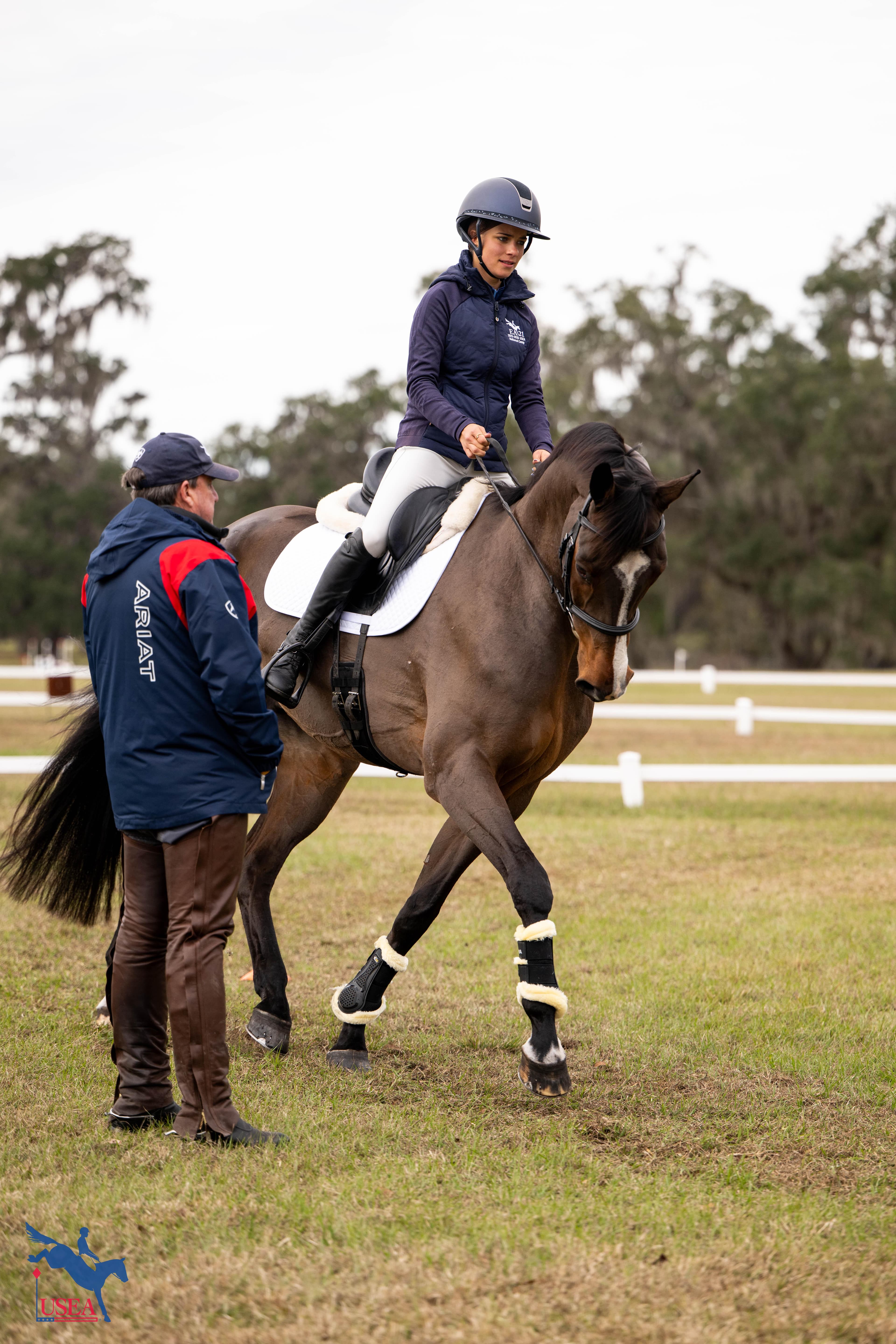
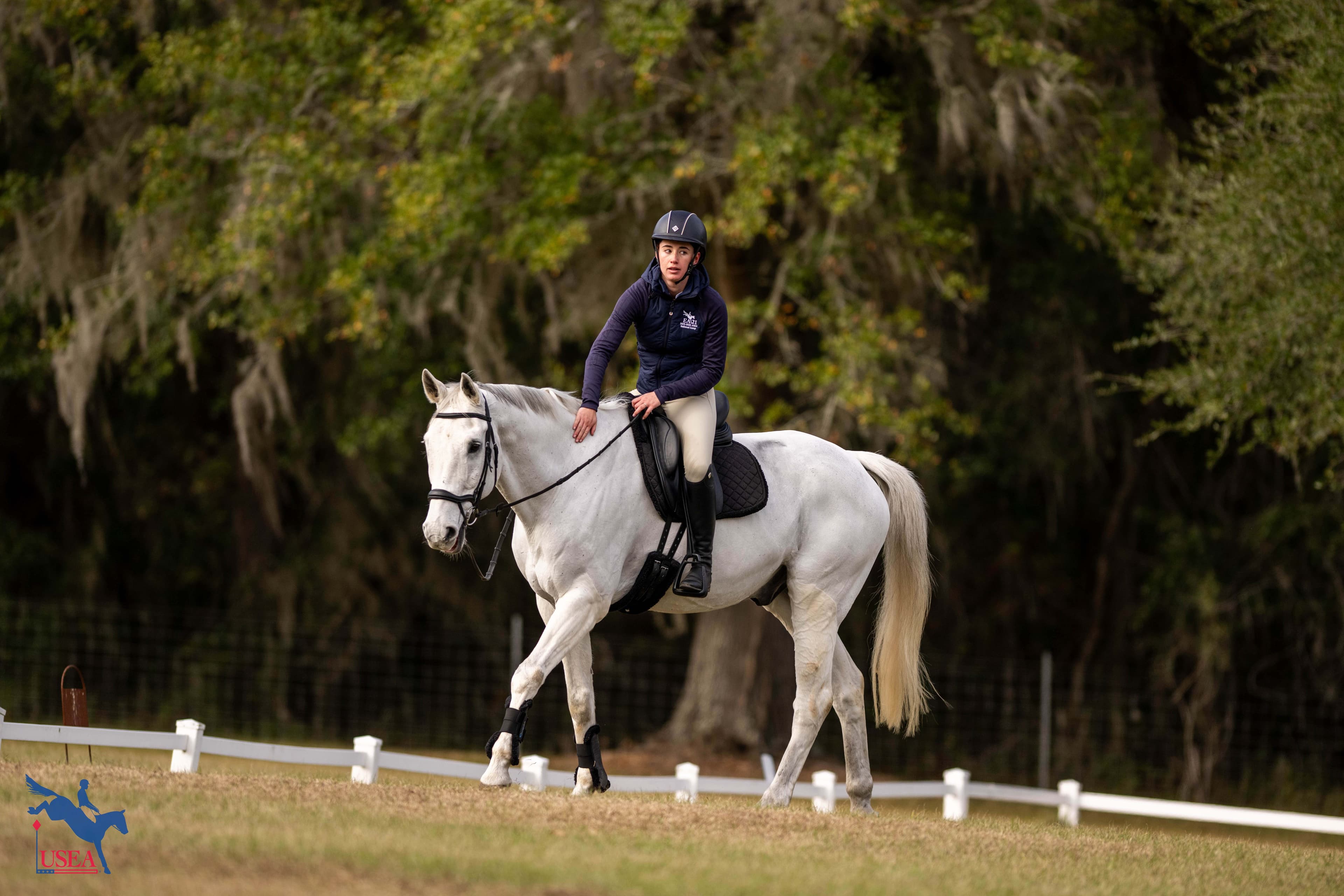
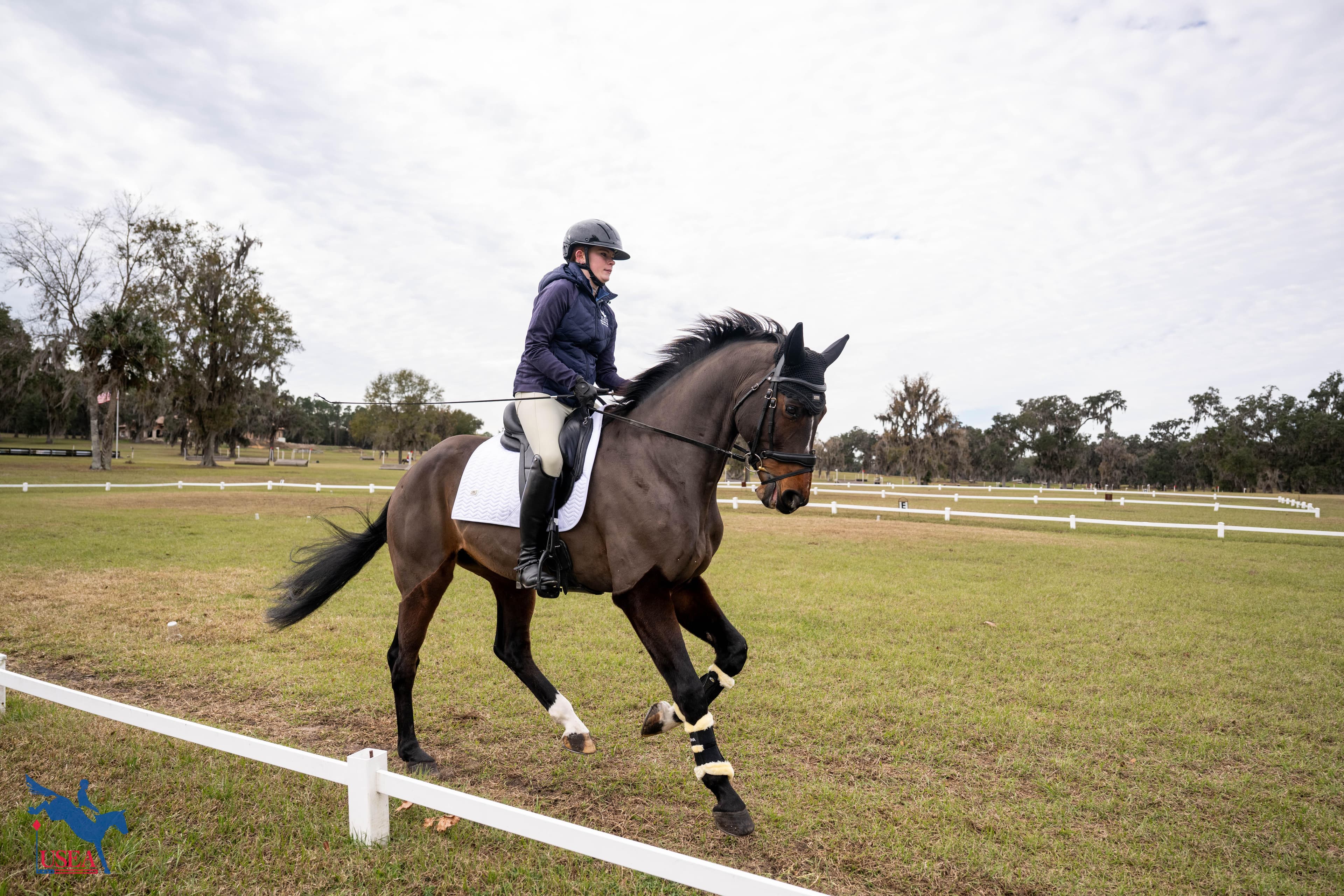
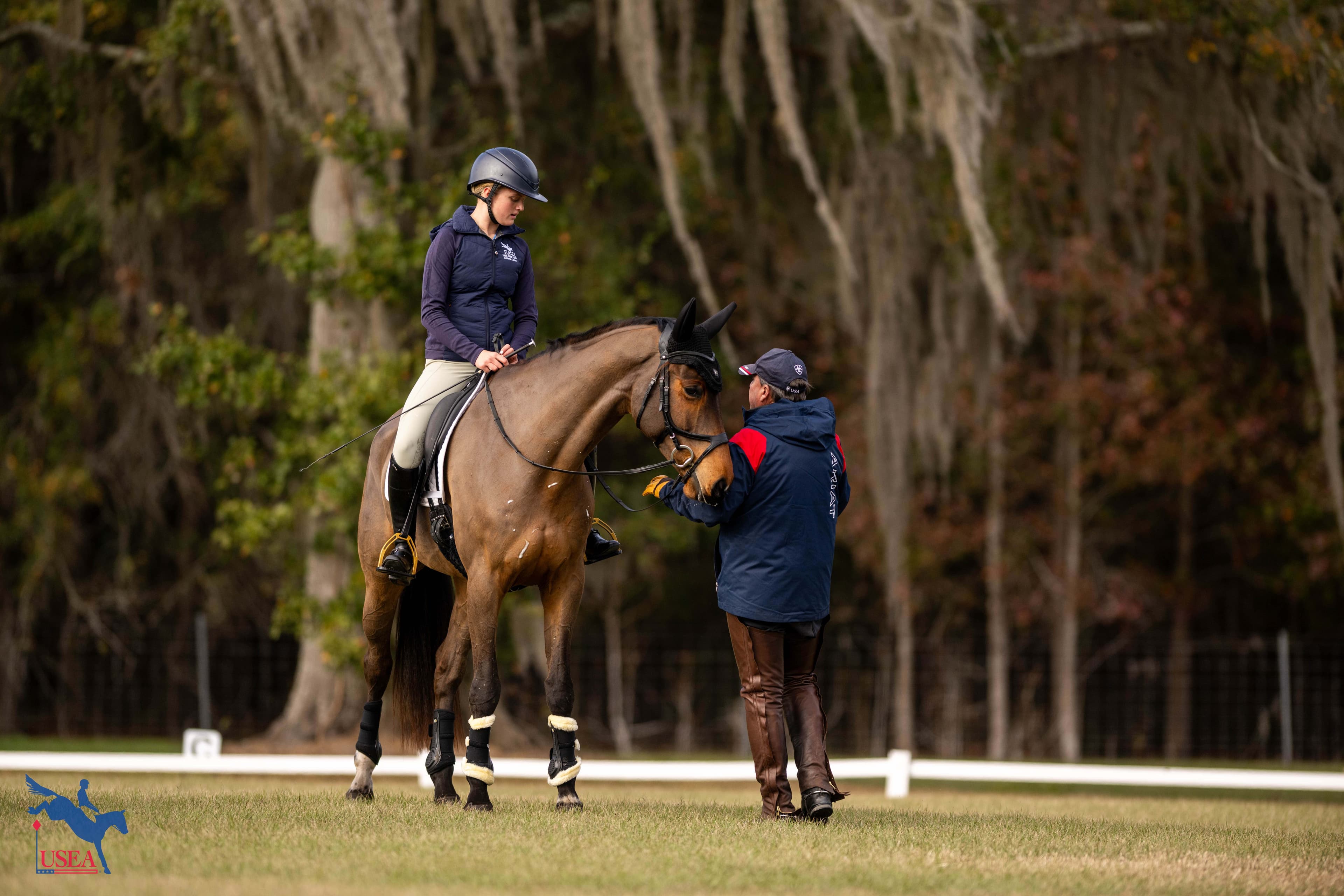
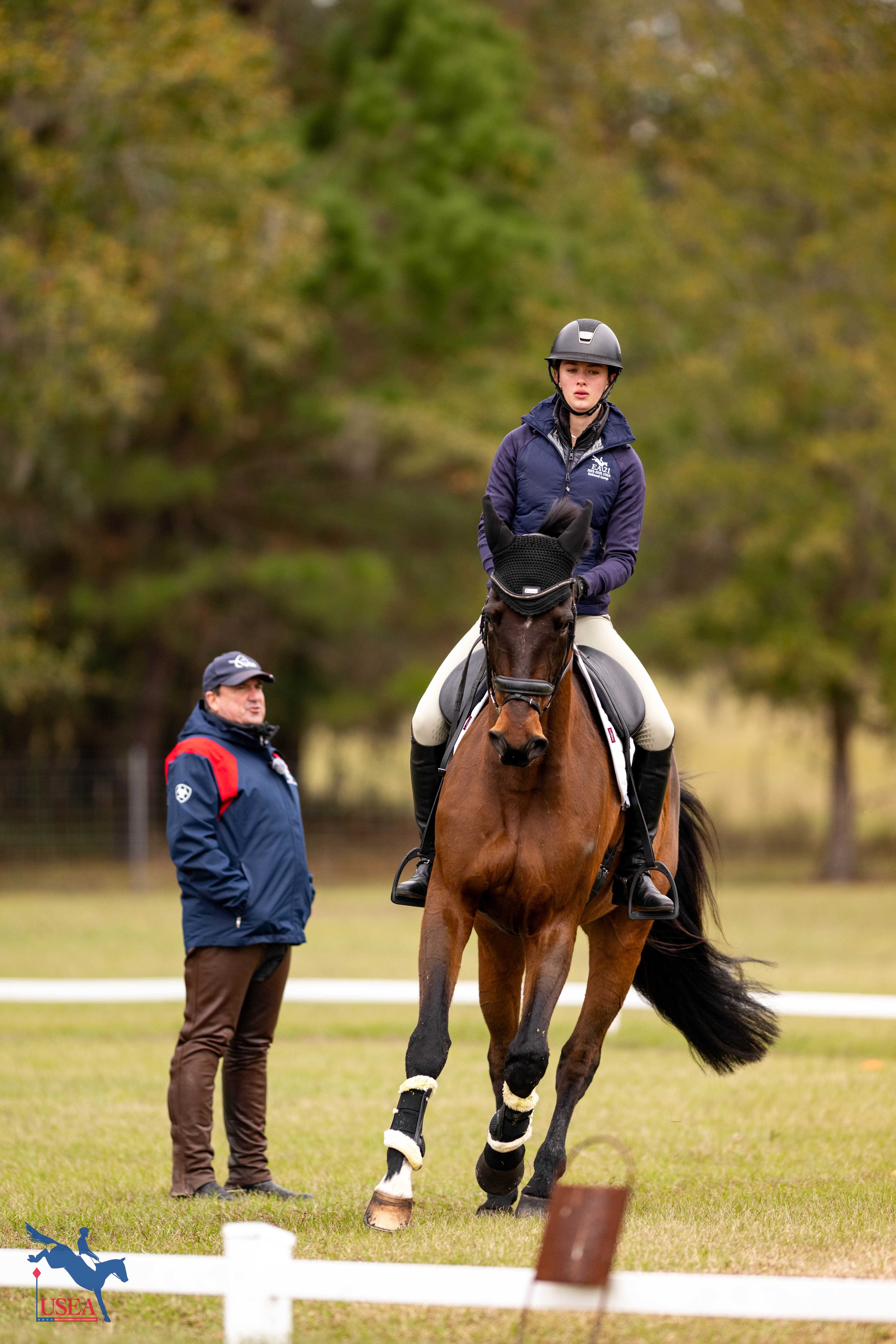
Asking the riders to move more with their horses and simplifying language became the themes of the riding portion of the day. “If you want to show the horses where to go, you have to be willing to move,” O’Connor told them. “Make the movements bigger and obvious so they know what’s happening. Then, when they understand, make it subtle.”
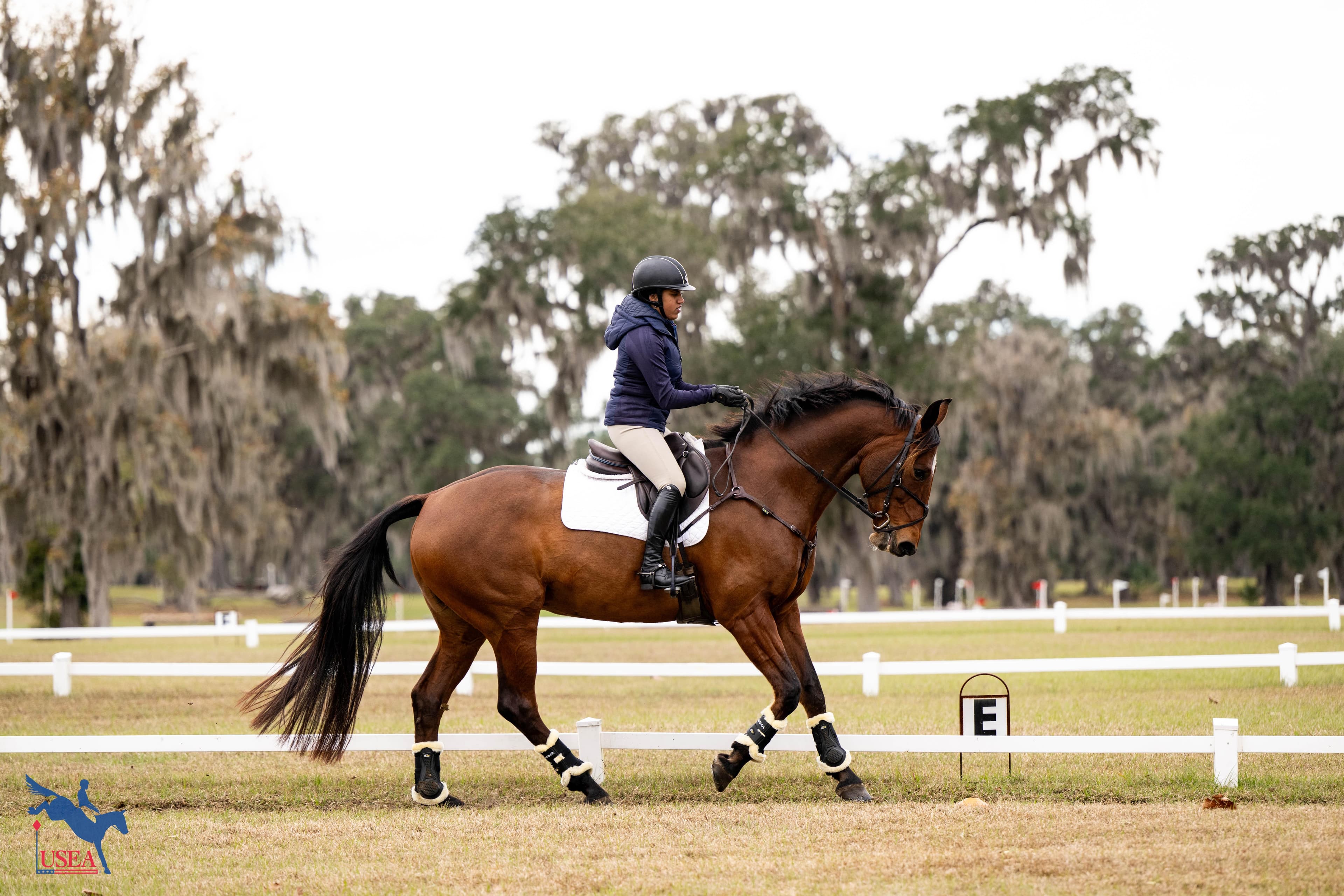
Just like we ask horses to move in different ways to increase their flexibility and strength, riders, too, need to be aware of where their own tightness is and how their ways of moving may be affecting their communication with the horse. For example, one rider was sitting in her hips and found it difficult to encourage a bigger step in her lateral work because it was hard to move her hips side to side.
Once he got them moving, O’Connor encouraged them to go deeper into the simplification. Instead of “add more leg,” he pushed for the reason why. Did they need more energy? Did they need more flexibility? Did the horse simply need to go faster? Putting the pieces together in the why would create not only better riding, but a better feel for more sympathetic and consistent riding.
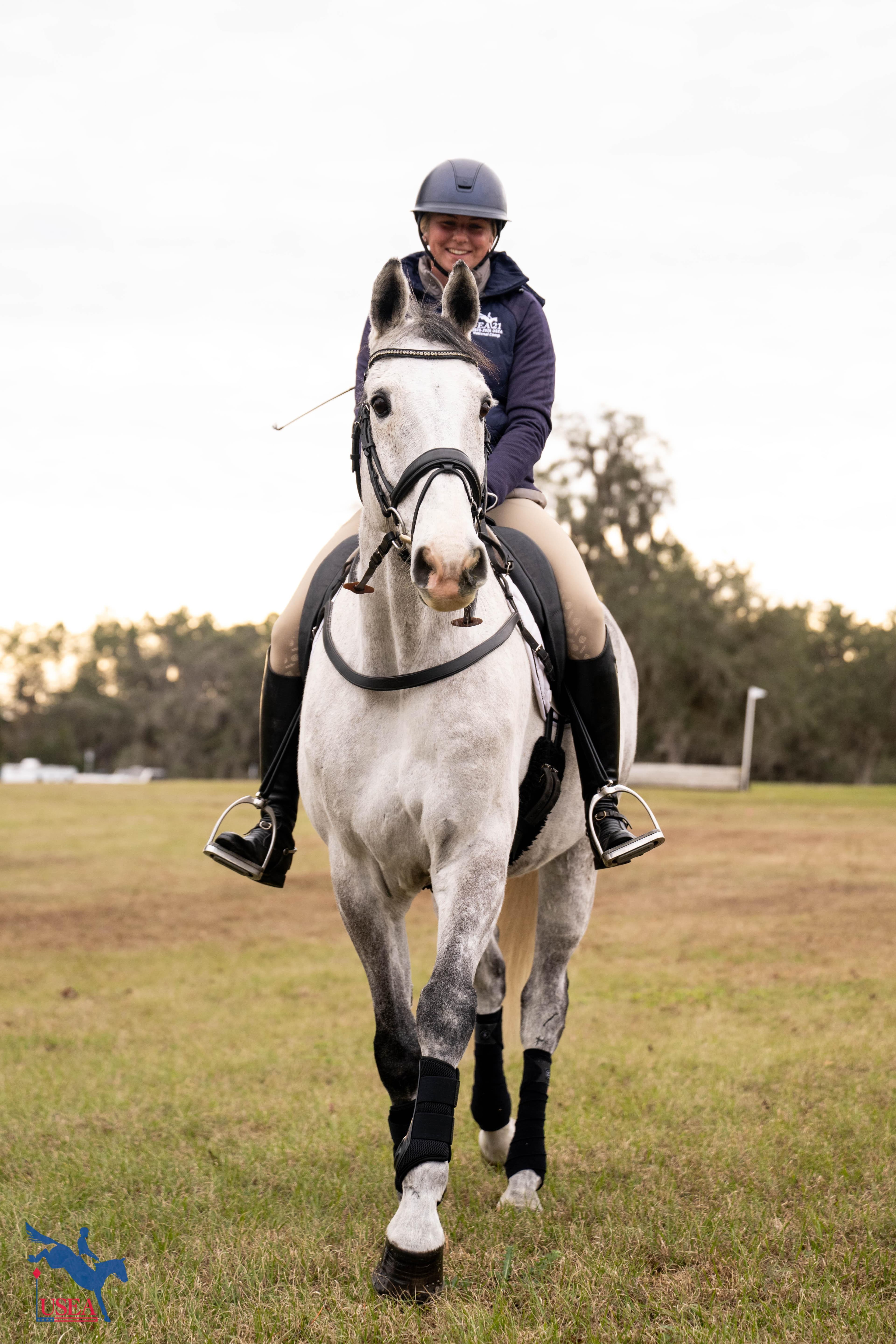
For Devon Tresan, attending for the second time in her final qualifying year, the repetition of instruction and simplification of language continues to hold transformative power.
“I came away from the clinic last year, saying that this changed my life genuinely. Working with all the other athletes who are so dedicated, being around all the coaches who are so educational and knowledgeable, it was just amazing. It taught me to give it my all. I need to go into this year getting everything that I can, talk to everyone that I can, and share everything. Dive in deep! It made me immerse myself even more into everything I do. I think that's what I took from it.”
Quick Links:
- Meet the EA21 National Camp Athletes
- 2025-2026 EA21 National Camp Fast Facts
- Learn more about the USEA EA21 Program
About the USEA Emerging Athlete U21 Program (EA21)
The purpose of the USEA Emerging Athletes U21 Program (EA21) is to identify and provide consistent quality instruction to the next generation of elite event riders. The aim is to create a pipeline for potential team riders by identifying and developing young talent, improving horsemanship and riding skills, and training and improving skills and consistency.
The USEA Emerging Athletes U21 Program was launched in 2022 with a model of five summertime regional clinics taught by carefully selected USEA Eventing Coaches Program (ECP) coaches, leading to a winter national camp consisting of selected Young Riders from the regional clinics. Athletes who are 21 years or younger, are current members of their USEA Young Rider Area program, and are established at the Training Level or higher, are eligible to apply for the EA21 program. Click here to learn more about the USEA EA21 Program.
The USEA would like to thank ARMA, Bates Saddles, GGT Footing, Horse Illustrated, Kerrits, PulseVet, Ride iQ, Schneiders Saddlery, Sidelines Magazine, WeRideTogether, and YETI for sponsoring the USEA Emerging Athletes U21 Program.
Related Articles
Day One Recap from the 2026 USEA Young Event Horse West Coast Championships
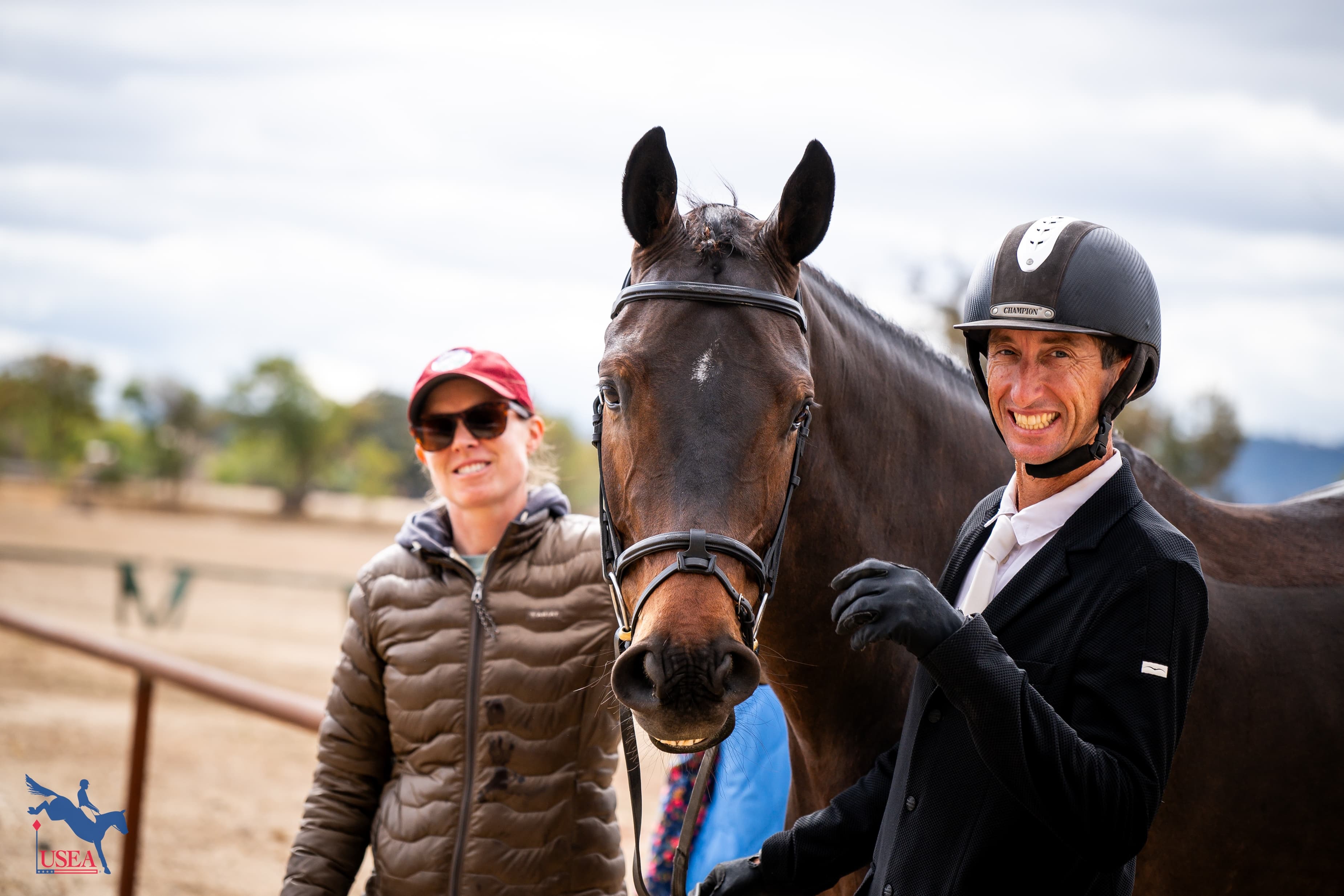
The 2026 USEA Young Event Horse (YEH) West Coast Championships kicked off with the dressage and conformation phases today at Twin Rivers Ranch in Paso Robles, CA. James Alliston leads the 5-year-old championship with a 24.95 on Petey Alliston's Viodor (Vidar x Haupstutbuch Sibrensil), a German-br...
Request for Expressions of Interest: 2028 & 2029 USEA Intercollegiate & Interscholastic Eventing Spring Championships Host Sites
The United States Eventing Association, Inc. (USEA) is excited to announce a request for expressions of interest to host the USEA Intercollegiate & October 23, 2026
Fast Facts: 2026 USEA YEH West Coast Championships
As of this morning, 19 young horses are entered in the 2026 USEA Young Event Horse (YEH) West Coast Championships at Twin Rivers Ranch in Paso Robles, California, which take place this weekend, October 23–24. The field includes six 4-year-olds and 13 five-year-olds. Horses qualify for the West Co...
Official Corporate Sponsors of the USEA
Become a Sponsor