Daniel Stewart's Tip of the Month: Bias to Action
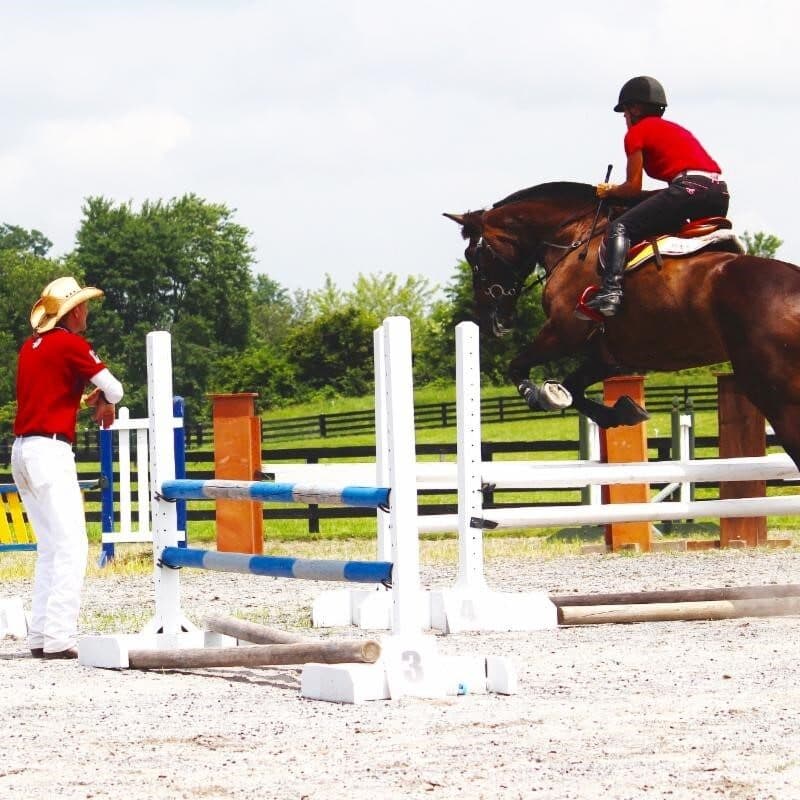
When it's all said and done... always make sure you've done more than you've said!
Each and every day you're going to face many challenges and problems, but you're also going to encounter plenty of wonderful opportunities. The key to ensuring you'll overcome the obstacles and obtain the opportunities is to develop a take-action attitude - working hard without hesitation to get what you desire instead of simply hoping it'll happen. This is called a bias to action, a natural tendency (habit) of always taking control over situations instead of allowing them to take control over you.
Riders with a strong bias to action seek out challenges; anticipate problems and do what's needed to solve them; find a need and figure out how to fill it; and look for ways to make any situation better. To these riders, action is always better than inaction, and willpower is always as important as horsepower.
This ability to make quick, safe, and successful decisions - and act upon them - is what sets many great riders apart from the good ones. Our sport is so chock full of crazy challenges that developing this kind of work ethic and motivation is pretty much mandatory. There are 4 phases of developing your bias to action:
1) Labeling Phase - Identify problems that need solving or opportunities that needs seizing
2) Focused Phase - Think of actions that'll solve the problem or seize the opportunity
3) Action Phase - Without hesitation - believe in the actions - go solve or seize!
3) Secondary Nature Phase - Steps 1 - 3 become a bias to action habit - not an effort
LOCUS OF CONTROL
You either feel you're in charge of your own destiny, or that things happen to you and you're powerless against them. This is called a locus of control. To succeed as a rider, you must always believe you're in control of your obstacles and opportunities - and you do that by developing a bias to action. When you see a problem or opportunity - your first instinct should be to believe that you can act to solve or seize it.
Expecting a few mistakes along the way is important because you can't develop the bold actions needed to solve problems if you're afraid of making mistakes. As long as your decision are sound and safe, believe in them. In the end, always remember that an imperfect action is always better than perfect inaction.
Some riders hope things will happen
Some riders want things to happen
Some riders make things happen
Some riders wonder what just happened!
Related Articles
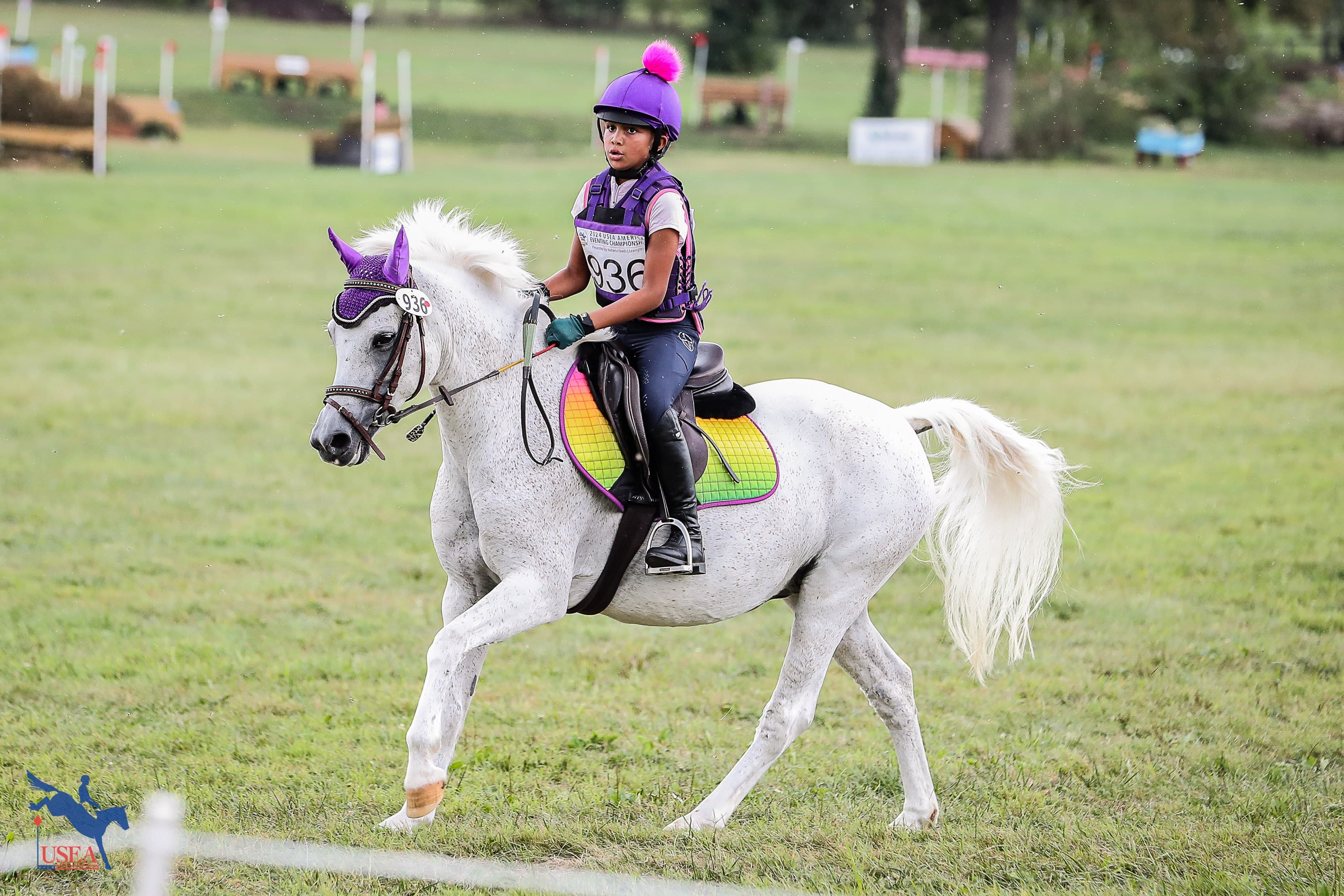
USEA Board Approves New Intro Level
Growing the sport of eventing in the United States remains a central goal of the United States Eventing Association (USEA) and its Membership Committee. Through feedback from members, coaches, and prospective participants, a common theme emerged: while interest in the sport is strong, the cross-c...
USEA Podcast #412: The Stories that Defined Kentucky
Fresh off of the heels of a U.S. win at the Defender Kentucky Three-Day Event, the crew sits down to recap the weekend in the bluegrass and all the pairs that impressed during the CCI4*-S and CCI5*-L competitions. From well-deserved wins, to horses who won our hearts, to a moment that USEA CEO Ro...
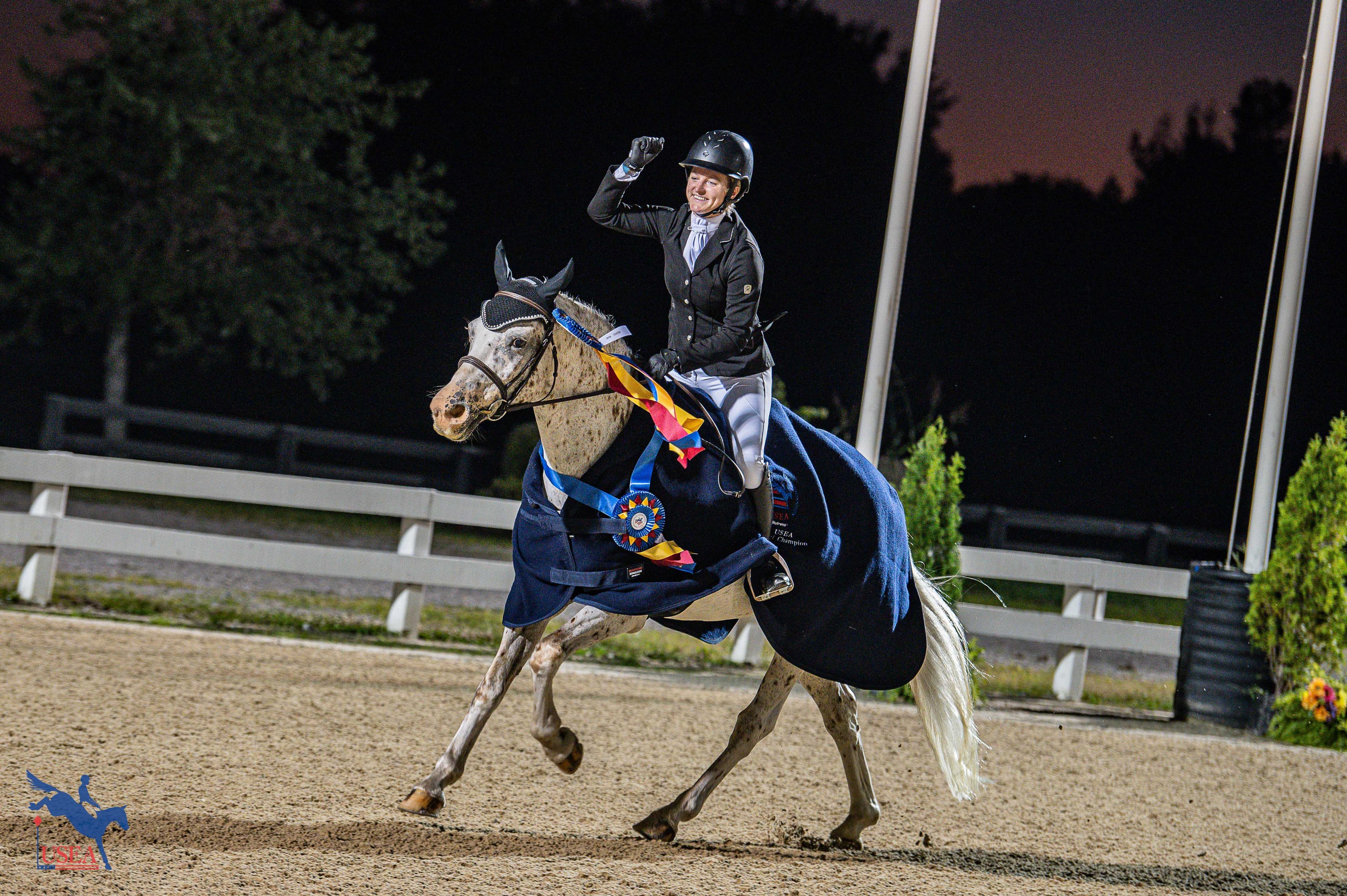
The Countdown to the 2026 USEA American Eventing Championships presented by Nutrena Feeds is On!
The 2026 United States Eventing Association (USEA) American Eventing Championships (AEC) presented by Nutrena Feeds is headed back to the Kentucky H...