Rule Refresher: Understanding the 2025 Changes to the Whip Rules
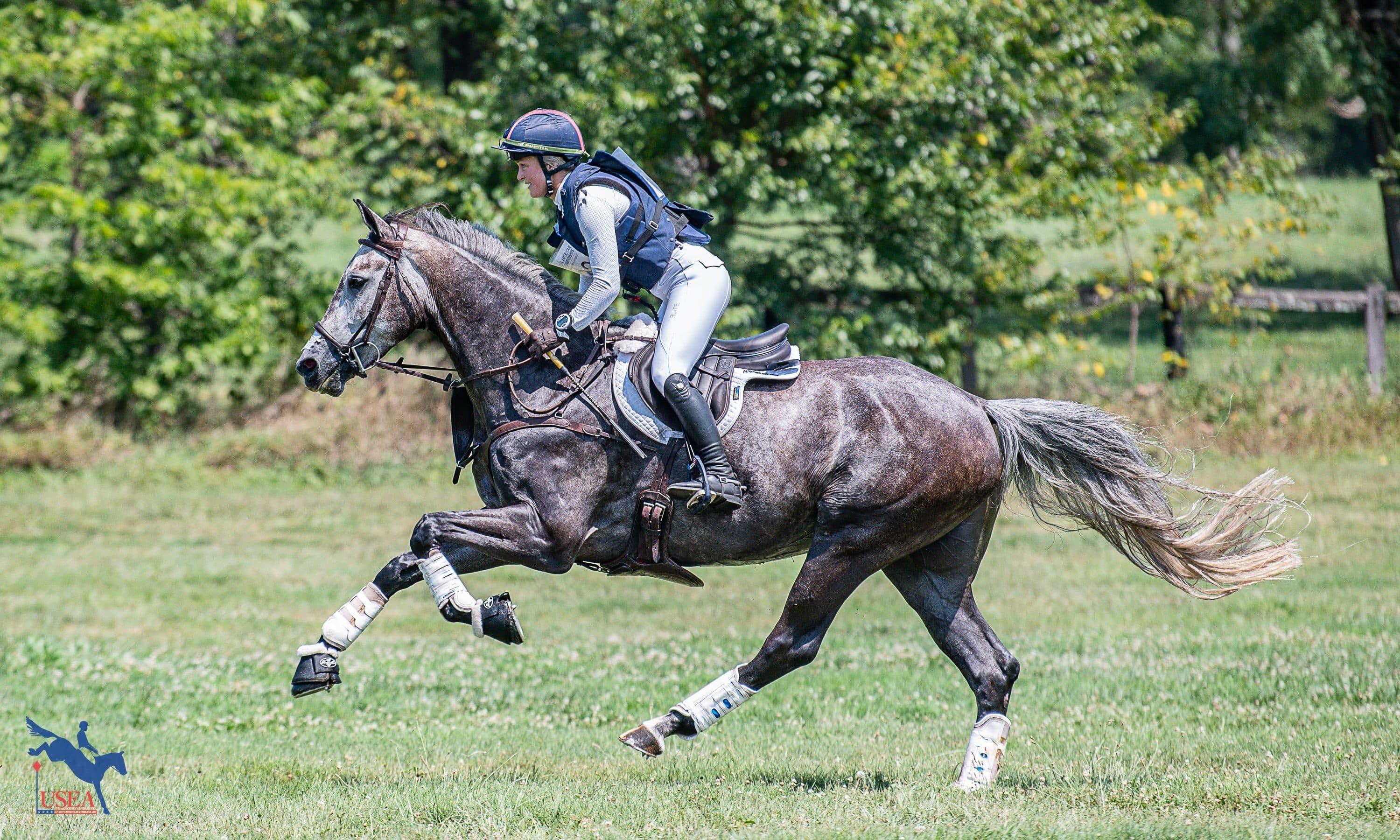
Regulations around whip usage changed in April of 2025, and the Eventing Riders Association of North American (ERAofNA) felt it was important to dedicate an edition of Rule Refresher to changes made to rule EV112.3 in the USEF Rules for Eventing.
Changes to this language were part of an extraordinary rule change, which was an expedited rule change process that took effect on April 1, 2025. Section EV112 in the USEF Rules for Eventing is categorized as “Unethical Treatment of the Horse.” Changes made to this section at that time were limited to EV112. Section 3, Whip. The new language appears as follows in the rules:
3. WHIP. The use of the whip must be reasonably administered at an appropriate time and in the right place.
a. The whip must only be used as an aid to encourage the Horse forward.
b. Time: As an aid, the only appropriate time is when a Horse is reluctant to go forward under normal aids of the seat and legs. Instances of inappropriate use of the whip include the whip used after Elimination, after the last fence on course, and/or multiple times between Obstacles.
c. Place: The whip may be used down the shoulder or behind the Athlete’s leg. It must never be used overhand (e.g., a whip in the right hand being used on the left flank). The use of a whip on a Horse’s head, neck, etc., is always excessive use.
d. Severity: A whip should never be hit more than two times for one incident. If a Horse’s skin is broken or has visible marks from the use of the whip, that will be deemed excessive use. It must never be used to vent an Athlete’s temper. Such use is always excessive.
The extraordinary rule change omitted previous language through EV112.3 that allowed for the whip to be used as a reprimand— but what does that mean for you?
Noting the bolded language in point A and B above, a whip may only be used when a horse is reluctant to go forward under normal aids of the seat and legs. It is no longer acceptable in the rules for a whip to be utilized as a discipline AFTER a horse has refused a jump or forward movement. As noted in point B, inappropriate use of the whip includes after elimination, after a fence on course, or multiple times in between obstacles when forward movement is not a concern.
“As a licensed official, it’s about the education and the enforcement of the rule,” Licensed Official and USEA Board of Governors member Sharyn Antico said. “Riders need to be educated on how to interpret the rule so that they’re using it properly. It’s important from a horse welfare standpoint that we understand how the rule is supposed to be enforced.”
To better help USEA members understand the rule change at its core, Antico shared the explanation that she provides at the jump judges meeting at each competition.
“The whip is to be used as a reinforcement of the leg as an aid to move forward,” she explained. “If the horse is hesitant to move off the leg, that's your opportunity to use the whip to reinforce the use of the leg. If the horse does refuse the jump, then you are not allowed to use the whip until you are moving the horse forward again and only if the horse is still reluctant to move from the aids and move forward.”
She noted that if a horse is stalling or balking on the approach to a fence without losing that forward motion, that using your whip is appropriate per the rules at that time.
“After a refusal, you are not allowed to whip the horse,” Antico continued. “You must be moving forward. The other thing that I say to jump judges is that if the horse stops, and the rider then gets themselves organized as they move away from the fence, and as they're moving away from the fence, if the horse needs a reminder to move forward from the leg, that's your opportunity to then use the whip as a reinforcement of the leg to move forward."
“There were some important rule changes this year and as competitors, it is our responsibility to understand these changes,” said ERAofNA member and five-star event rider Allison Springer. “Furthermore, as trainers, I believe it is our responsibility to explain them to our students. Unfortunately, the changes to the whip rule have already caught a few competitors out this year. A rider can only use the whip to “encourage the horse forward” and never as a reprimand. If you have a refusal, you cannot use your stick when your horse has stopped in front of the fence; if you have a runout, you cannot tap your horse on the shoulder in correction right after the horse has run out — both of these scenarios would be considered a reprimand even if it is only a gentle tap!”
Want to catch up on past rule refreshers? Click here.
Related Articles

Bring Your Event to Life with ShowConnect
A great event gives everyone something to follow. Competitors can find the information they need. Spectators stay connected to the action. Announcers have the details that make each ride a story.
ShowConnect’s latest features help organizers create that experience while giving the show-of...

Standlee’s Grab & Go® Bales Go Pink Again for Breast Cancer Awareness
Kimberly, Idaho – This October, Standlee is once again turning its iconic green Grab & Go bales pink in recognition of Breast Cancer Awareness Month. Now in its sixth year of supporting the cause, Standlee’s annual breast cancer awareness campaign returns with Grab & Go to Give, bringing together...

USEA Podcast #423: There’s a Place for Everyone in Eventing
Eventing isn't only about moving up the levels. It's about finding the place in the sport that brings you and your horse joy. This week on the USEA Official Podcast, USEA Board of Governors members Erin Thompson and Allison Bailey join the show to celebrate grassroots and amateur eventing and dis...