Hydration: The Performance Advantage Hiding in Plain Sight
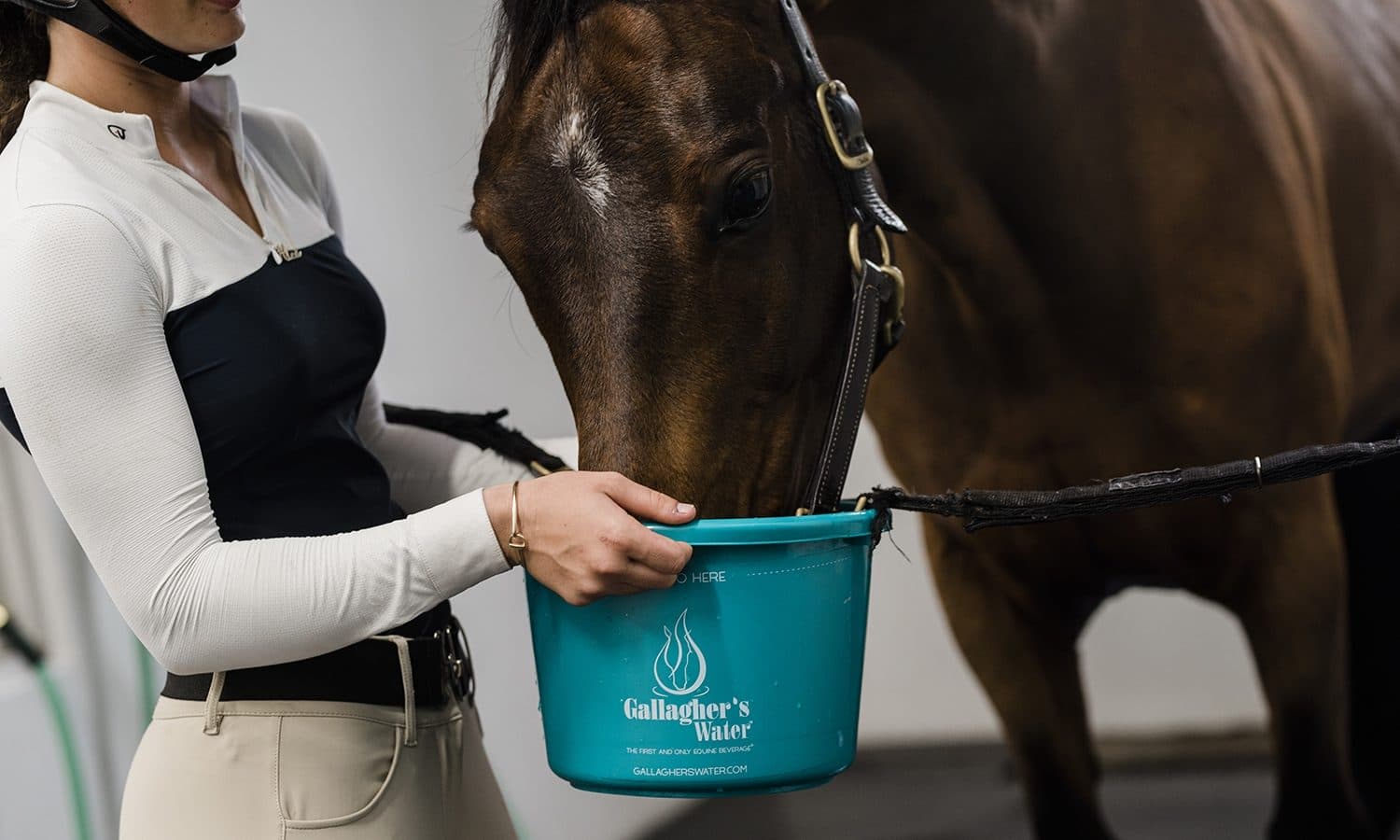
Let's be honest. Most of us have spent far more time obsessing over grain, supplements, saddle fit, hoof balance, conditioning schedules, and whether our horse needs another massage … than we've ever spent thinking about water.
We make sure the bucket is full, dump it when it gets dirty, and move on.
Hydration wasn't really something horse owners talked about...unless a horse wasn’t drinking.
Then suddenly it became the only thing we could think about.
You've hauled six hours to a competition, and your horse gives the water bucket the side-eye. You've watched your horse come off cross-country knowing he should be recovering faster. You've broken ice off water buckets in January only to realize they're still nearly full that evening. Every horse owner has been there.
The funny thing is, we've always known water was important. We just didn't realize how much it influences everything else.
Today, we're learning that hydration isn't simply about avoiding dehydration. It's about supporting performance, recovery, digestion, temperature regulation, and overall health every single day. Just as we have feeding routines, conditioning routines, and grooming routines, hydration deserves to become part of the routine—not just something we think about when there's a problem.
Water Does More Than Quench Thirst
Water isn't just another nutrient. It's the nutrient.
It makes up roughly two-thirds of your horse's body weight and plays a role in nearly every system in the body. It regulates temperature, transports nutrients, supports digestion, cushions joints, keeps muscles functioning normally, and helps every cell do its job.
And unlike missing one day of a supplement, even mild dehydration can affect how a horse feels and performs.
The challenge isn't convincing horse owners that water matters. It's convincing horses to drink when we need them to.
It's Not Just About Electrolytes
Performance horse owners have become pretty savvy about electrolytes—and that's a good thing.
Sweat doesn't just contain water. Horses also lose sodium, chloride, potassium, magnesium, and calcium, all of which help muscles and nerves function normally. Replacing those electrolytes is important.
But here's the catch. Electrolytes don't work very well if they don't have enough water to work with.
Think of it this way: if you've ever packed your trailer perfectly, only to discover you forgot the horse, you understand the problem. Electrolytes are essential—but without adequate water intake, they're missing their most important partner.
Hydration has to come first.
Recovery Starts When the Work is Over
Whether you're galloping across country, spending the day in jumper rings, or putting in miles conditioning at home, recovery begins the moment the work is over.
Replacing lost fluids is the first step. But, muscles also need to replenish glycogen—the stored energy they burned during exercise. Glycogen is made from glucose, which is why moderate amounts of carbohydrate have an important place in recovery for many performance horses.
That doesn't mean every horse needs sugar. But it does mean that nutrition should match the individual horse.
Recognizing that many horses require restricted diets, Gallagher's Water is also available in a no-sugar-added formula designed specifically for horses with metabolic concerns, allowing owners to support hydration while also following veterinary recommendations.
When Does Hydration Matter Most?
The obvious answer is "when it's hot.” The better answer is...almost all the time.
Competition Weekends
Between hauling, excitement, unfamiliar surroundings, and physical effort, horses often drink less when they actually need more.
Training Sessions
Conditioning rides and schooling sessions create fluid losses, too. Don't wait for particular events before making hydration part of the routine.
Hauling
New places often mean different tasting water. Some horses don't care. Others act like you've offered them coffee instead of water.
Cold Weather
Winter is sneaky. Horses naturally drink less when temperatures fall, making dehydration and impaction colic a greater concern than many owners realize.
Trail Riding
Hours on the trail, particularly during warm weather, can quietly create significant fluid losses.
Recovery from Illness or Injury
A well-hydrated horse is simply better equipped to support normal body functions during recovery.
Foaling and Lactation
Producing milk dramatically increases a mare's water requirements.
The "Bad Drinker"
Every barn has one. The horse that seems perfectly content surviving on three polite sips and some wishful thinking. Encouraging those horses to drink consistently before there's a problem is far easier than trying to fix dehydration afterward.
What the Research Shows
Encouraging horses to drink more sounds simple. Actually getting them to do it has always been the challenge.
That's why Gallagher's Water invested in university research rather than relying on assumptions.
Studies conducted at Louisiana State University and Colorado State University evaluated voluntary water consumption in horses offered Gallagher's Water compared to plain water or ‘sweet tea’. The results showed horses voluntarily drank significantly more water when Gallagher's Water was offered.
This is worth noting because no hydration strategy works if the horse refuses to drink – Gallagher’s Water is proven effective at enticing horses to empty that bucket.
Whether you're dealing with summer heat, freezing temperatures, hauling stress, recovery after competition, or simply encouraging better day-to-day hydration, increased voluntary water intake can make a meaningful difference.
The Bucket We’ve Been Looking Past
We don’t wait until a horse is lame before we think about soundness. We don’t wait until muscle is lost before we begin conditioning. We don’t wait until exhaustion sets in before we think about fitness and recovery.
Hydration deserves the same mindset.
Maybe the question isn’t, “What do I do when my horse won’t drink?” Maybe the better question is, “What am I doing today to make sure my horse is ready when it matters most?”
For years, many of us accepted that some horses simply don’t drink well away from home. That hauling means they’ll drink less. That winter buckets stay full. That recovery takes however long it takes.
But those aren’t things we have to accept anymore.
Gallagher’s Water was developed by horse people who faced the same frustration every rider knows: horses that wouldn’t drink when they needed hydration the most. Backed by university research and trusted by veterinarians, Gallagher’s Water isn’t simply another electrolyte supplement—it’s a hydration system designed to encourage horses to drink when it matters most.
Because the best conditioning program in the world can’t help a dehydrated horse. The most carefully balanced electrolyte supplement can’t do its job if the horse won’t drink. Every recovery plan, every cooling strategy, every feeding program starts in exactly the same place.
With a horse that drinks.
Gallagher’s Water.
Hydration starts here.
Related Articles
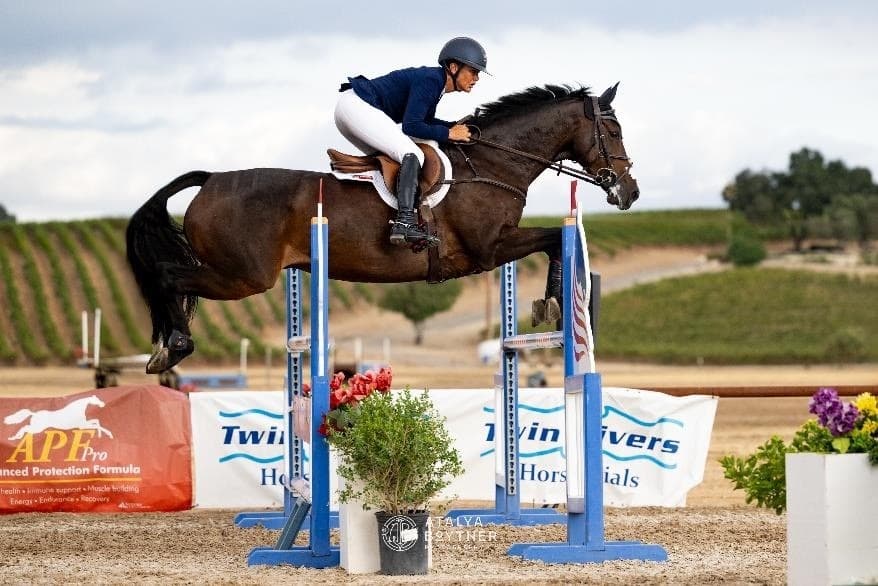
U.S. Equestrian Open and Young Event Horse Series Come to Twin Rivers
Twin Rivers Ranch in Paso Robles, Calif., will host its annual Twin Rivers Fall International from Sept. 18-20. The event will partner with the US Equestrian Open for the CCI4*-S competition, and Tamie Smith, the current points leader in the national eventing series, will make her return to compe...
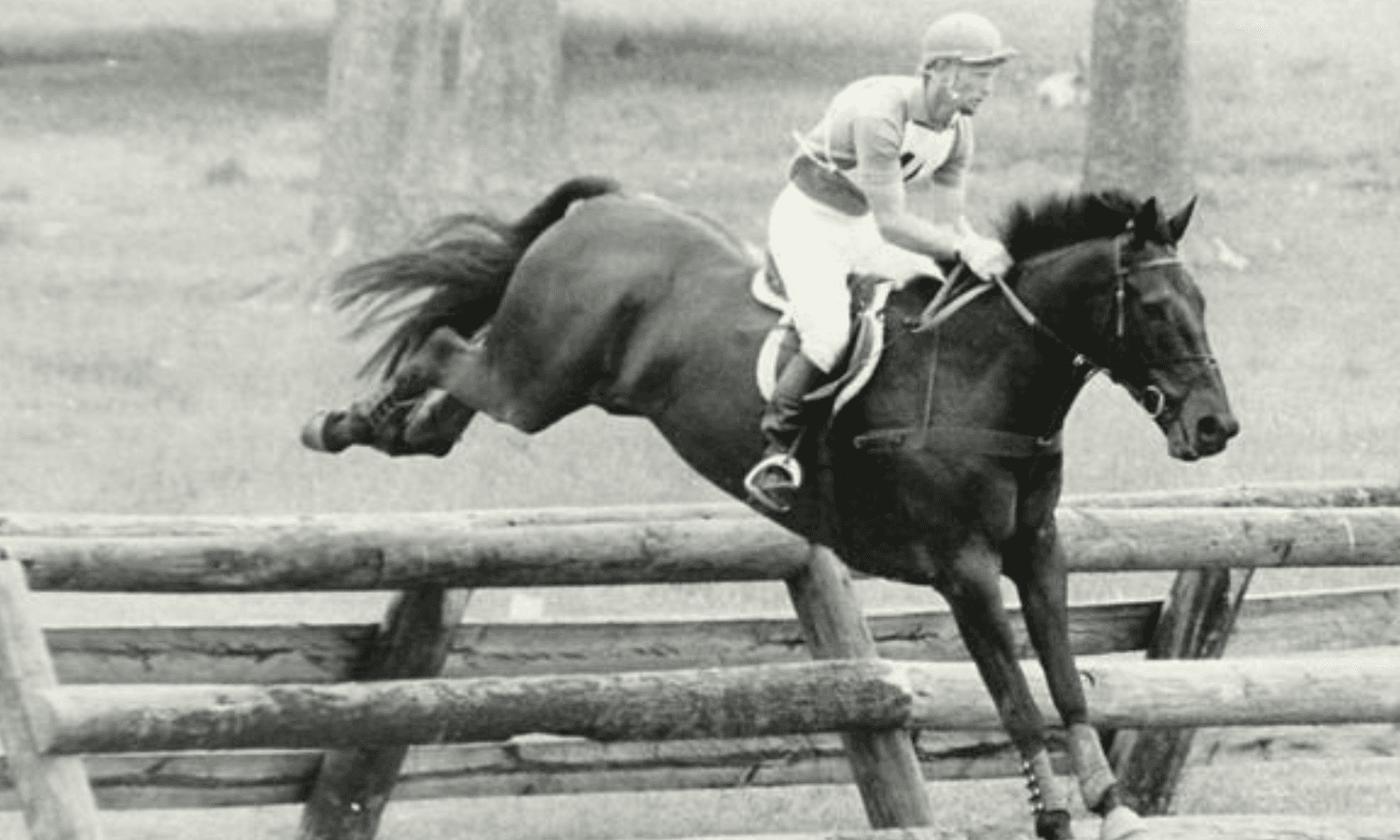
Carawich Named as U.S. Eventing Hall of Fame Inductee for 2026
Since 1999, more than 50 horses and people have been inducted into the United States Eventing Association (USEA) Eventing Hall of Fame.
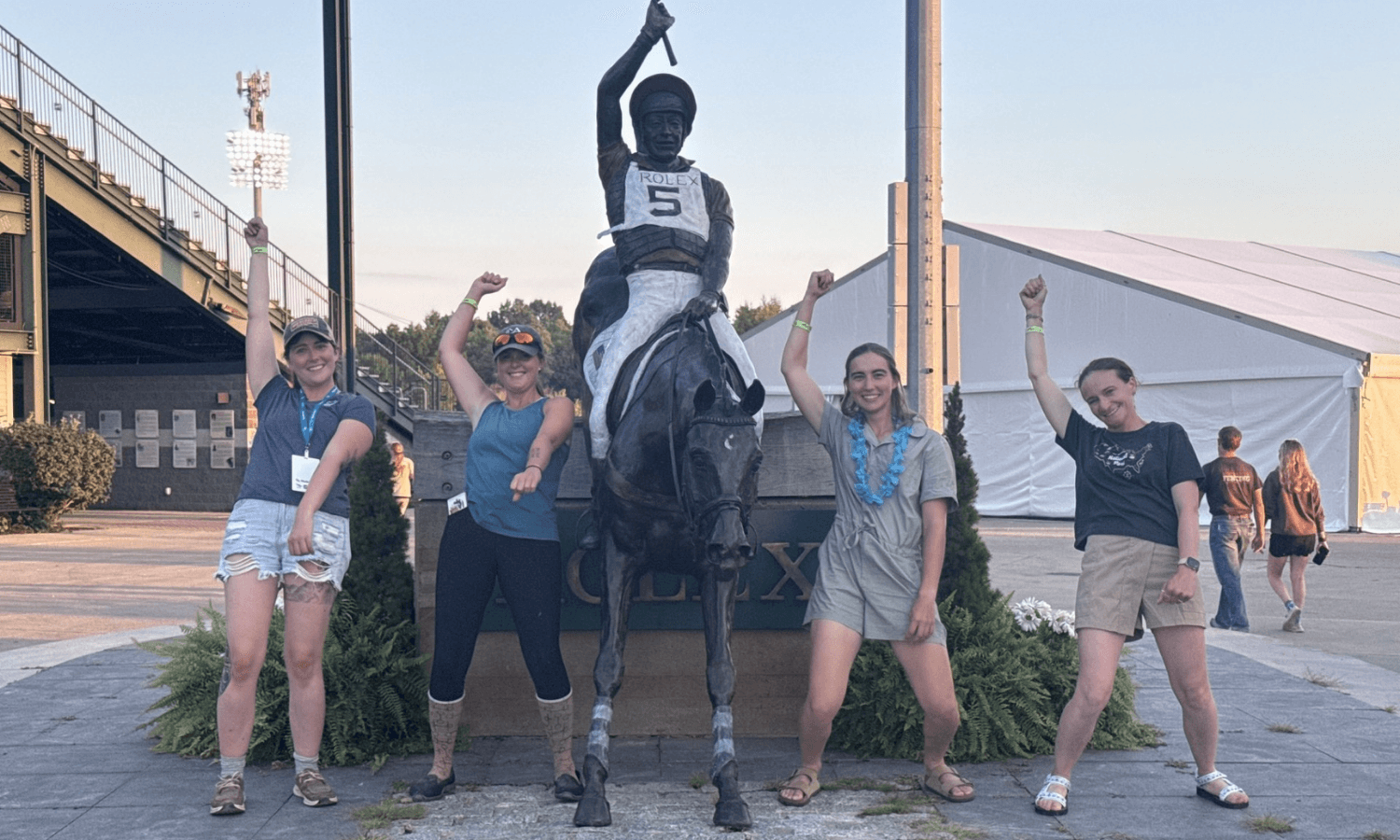
3 Ditches & A Dude Capture the Essence of the USEA Adult Team Championships to Win the 2026 Adams Horse Supply ATC Scavenger Hunt
3 Ditches & A Dude, the top-placing team in the Adams Horse Supply USEA Novice Adult Team Championship (ATC), prov...