Report From The USEF Open Forum With Leslie Law and David O'Connor
The USEF held and open forum with David O'Connor and Leslie Law, the final two candidates recommended for the position of Chef d'Equipe/Technical advisor. Riders asked interview-like questions of each.
David O'Connor stressed open communication, financial relief for owners, and consistency in performance at all levels rather than strictly winning medals.
For Leslie Law, open dialog and a hands-on approach are paramount. He hopes to bring fresh eyes and ideas from a program with a winning reputation.
Both candidates are a recommendation from the search committee. Riders have until March 25 to request the consideration of additional applicants, which will require a majority vote from the search committees.
There's no question the search for the United States' next Eventing Chef d'Equipe/Technical Advisor has raised eyebrows, questions, and blood pressures in the eventing community. Today at the Red Hills International Horse Trials in Tallahassee, FL, what was meant to be one of the final legs of the search commenced before a group of high performance riders. The purpose of the meeting was to allow riders to ask questions of the final two candidates running for the position, David O'Connor and Leslie Law. Each took and answered questions for an hour, but it was after the Q and A session when the climate of the conversation got heated.
Boyd Martin stood and addressed Eric Strauss, the Chairman of the search committee and asked a few frank questions: Why only two candidates advanced to this type of forum format and why weren't riders able to hear from the rest of the shortlisted applicants?
"This is a huge piece of U.S. history," Boyd said, "and, as leading riders, it will dramatically affect us for years to come. The two candidates that we heard today were fantastic, but I think we should be able to hear others in this open forum format."
Strauss explained that when the shortlist of six were interviewed by the Eventing Eligible Athlete Committee (EEAC) last fall, the initial goal was to recommend two or three to the Eventing High Performance Committee (EHPC), High Performance Working Group, and Executive Committee. The criteria used to rank candidates included communication skills, public speaking ability, riding ability, coaching ability, aptitude for working within an international system, how well each delivered their proposals, and how well each question was answered during the 45-minute to 1-hour interviews. "Some answered questions better and presented their proposals better and so ranked better," added Strauss.
"But to disregard a candidate because of how that person spoke or presented in a 45-mintue phone call is ridiculous," Martin retorted. USEF CEO John Long then made a key clarification: These two candidates are the committee’s recommendation, not a final decision. "Rider can still ask for other candidates to be considered," he said. Doing so would require a majority vote from the committees.
The Candidates
The main goal of the meeting, however, was to give high performance riders the opportunity to interact with the two recommended candidates. Many important questions were raised and answered during the Q and A period, which highlighted the strengths and intentions of each applicant. Here is a brief comparison.
David O'Connor
...on international competition: "I don't believe winning medals should be our goal," O'Connor said. "It is the result. Medals are the by product." He went on to explain that his goal would be to create horse and rider combinations who dominate the world rankings consistently, specifically, at least two in the top five over a period of years. He said he believes the key to reaching this type of success is by nurturing and guiding individual rider programs. "It will be a major time commitment," he said.
Becky Holder raised an important question regarding O'Connor's allegiance to the Canadian team during the 18-month period he is to shadow the current Chef d'Equipe, Captain Mark Phillips. "I am committed to the Canadian team through 2012," O'Connor said, "but I would still be watching and looking at shows the way I do now," he said referring to the possibility of serving as Developing Rider Coach during that time.
...on Developing Riders: O'Connor stressed the importance of open communication between Developing Riders, and even potential Developing Riders. "If someone who is 50-year-old comes upon a horse of a life time and is winning all over the place and riding at Rolex, yeah they would deserve a chance," he said. He went on to outline specifics of the program. "I envision the Developing Riders program being education-based, while the High Performance riders will be more assessment-based." His platform is consistency in educating and targeting the riders who truly demonstrate the desire and talent to become High Performance riders and beyond.
...on Owners: Like many top-level riders who rely on an owner's support, O'Connor understands the importance of owners in eventing. One of his proposals is to use grants and additional funding through existing and new channels to help elevate the financial strain on the angel investors of our sport. "We'll have to talk it out through committees," he said. "Maintenance is the biggest cost and it would be nice to have something in place so we aren't constantly relying on owners to pay the bills."
Leslie Law
...on international competition: The major theme of Leslie Law's campaign was open dialog and a hands-on approach. He also brought attention to some of the tools used across the pond with success in the past, which he believes could work for the U.S. if implemented. One of which is an earlier team selection, specifically, after the spring three- and four-star events. "This would mean I could work with riders much longer before the Championship," he said. "It also builds team morale by working together, rather than competing against each other. It worked in the UK and I think it could work here."
He went on to explain his intention to run the team horses only at hand-selected competitions and eliminate final trials, where the conditions may be unpredictable and potentially detrimental to soundness.
Continuing on the topic of all ears open, "I would have open dialog with riders' trainers," he said. "I think it's important for riders to keep their personal trainers." In addition, seeking guidance from top performers in the show jumping and dressage arenas is key, as long as those coaches remain consistent. "They have to be there for and through the Games in London," he explained. "They also have to understand we are riding event horses. They aren't show jumpers or dressage horses who event, we are trying to get the best show jumping and dressage performance possible out of event horses."
...on Developing Riders: Law again stressed the importance of open dialog in this arena. "We should be available 24/7," he said. "It's important to be at many different competitions and look at what programs and plans riders are a part of. It's important they feel like they have access to the coach for direction."
He also stressed the importance of more closely targeting outstanding developing riders to send to Europe to gain international experience. "And I think we can use press releases to explain why certain riders go to Europe," he addressed the question of keeping the general public in the loop about why certain horse and rider combinations receive grants to compete abroad. "Even if it's one horse and one rider, if they look like a team rider, they'll get the help. I want the best. Period. If they're capable of being a part of a winning team, they've got to be on."
...on Owners: Again the theme of open dialog prevailed for Law. "Owners are every bit as important as riders," he said. "We are all part of one big team and should be available at anytime for any reason concerning a horse or competition."
What Does It Mean?
Long hopes the committees will agree on a final candidate who will be announced around the Rolex Kentucky Three-Day Event at the end of April. If riders would like other applicants to be considered in addition to O'Connor and Law as expressed, they must get a majority vote from the search committee by March 25. When all is said and done, the new hire will begin to shadow Phillips throughout the 2011 Pan American Games and 2012 Olympic Games, while possibly serving as Developing Riders coach. January 2013 will mark the full commencement of the new position.
Considering only the given candidates, whether O'Connor or Law take the helm, both seem adamant that open dialog and a hands-on approach, not only with riders but with owners and the general public, are paramount, as well as consistency and a targeted selection process for feeding Developing Riders through to the High Performance ranks. While O'Connor holds more years of coaching experience and a profound understanding of the U.S. international competition system, Law brings a fresh and impartial eye from a country with a winning reputation. Only time will tell where our ship sails after 2012.
Related Articles
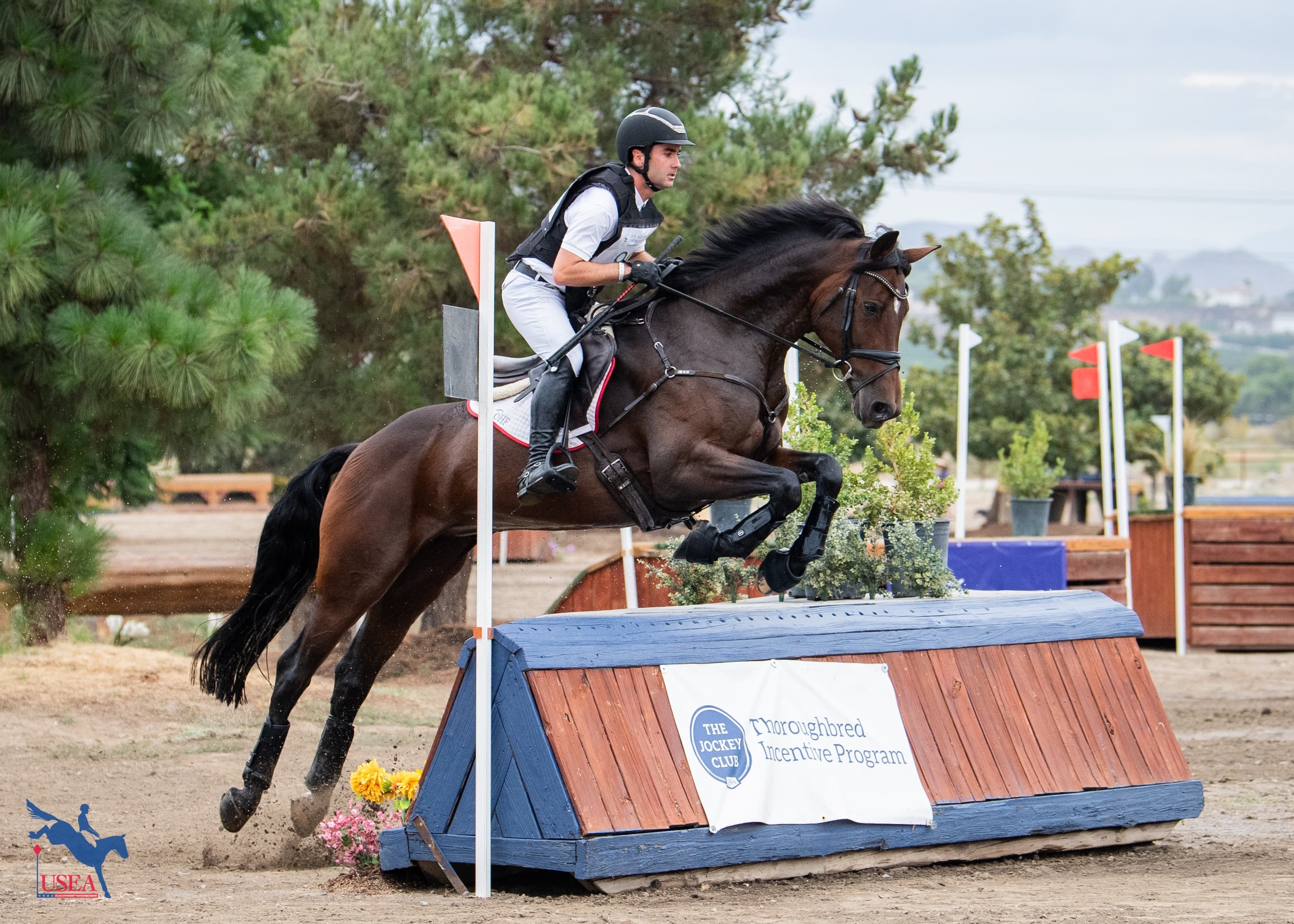
Championing Thoroughbreds in Eventing: The Jockey Club Renews Partnership with USEA
The United States Eventing Association (USEA) is pleased to announce the renewal of its partnership with The Jockey Club for the 2026 season. As part of this continued collaboration, The Jockey Club will return as a Silver Sponsor of the USEA American Eventing Championships (AEC) and a Contributi...
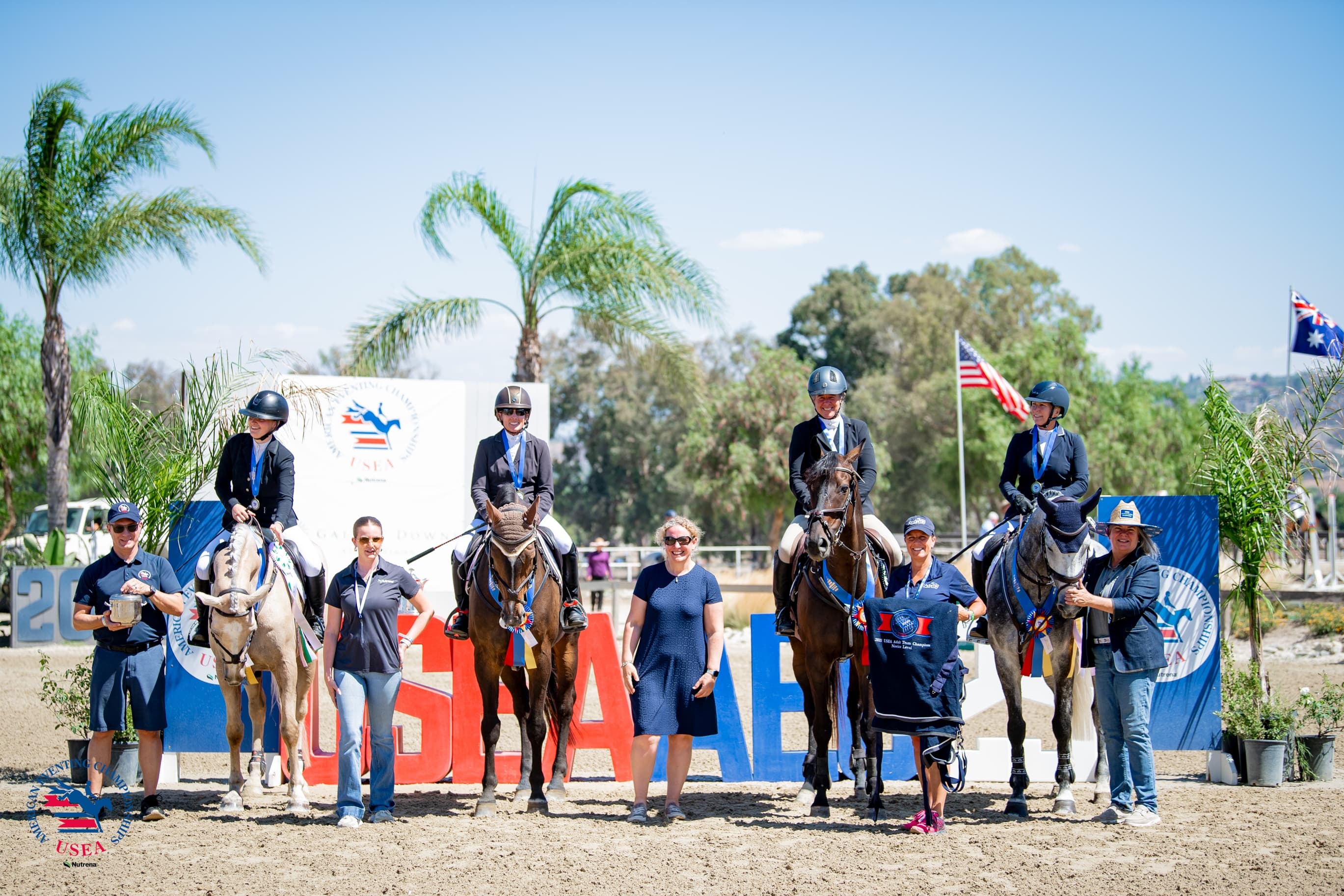
Adams Horse Supply USEA Adult Team Championships: Letter of Intent Reminders
The United States Eventing Association (USEA) is excited to announce the return of the Adams Horse Supply USEA Adult Team Championships (ATC) set to take place at the upcoming USEA American Eventing Championship...
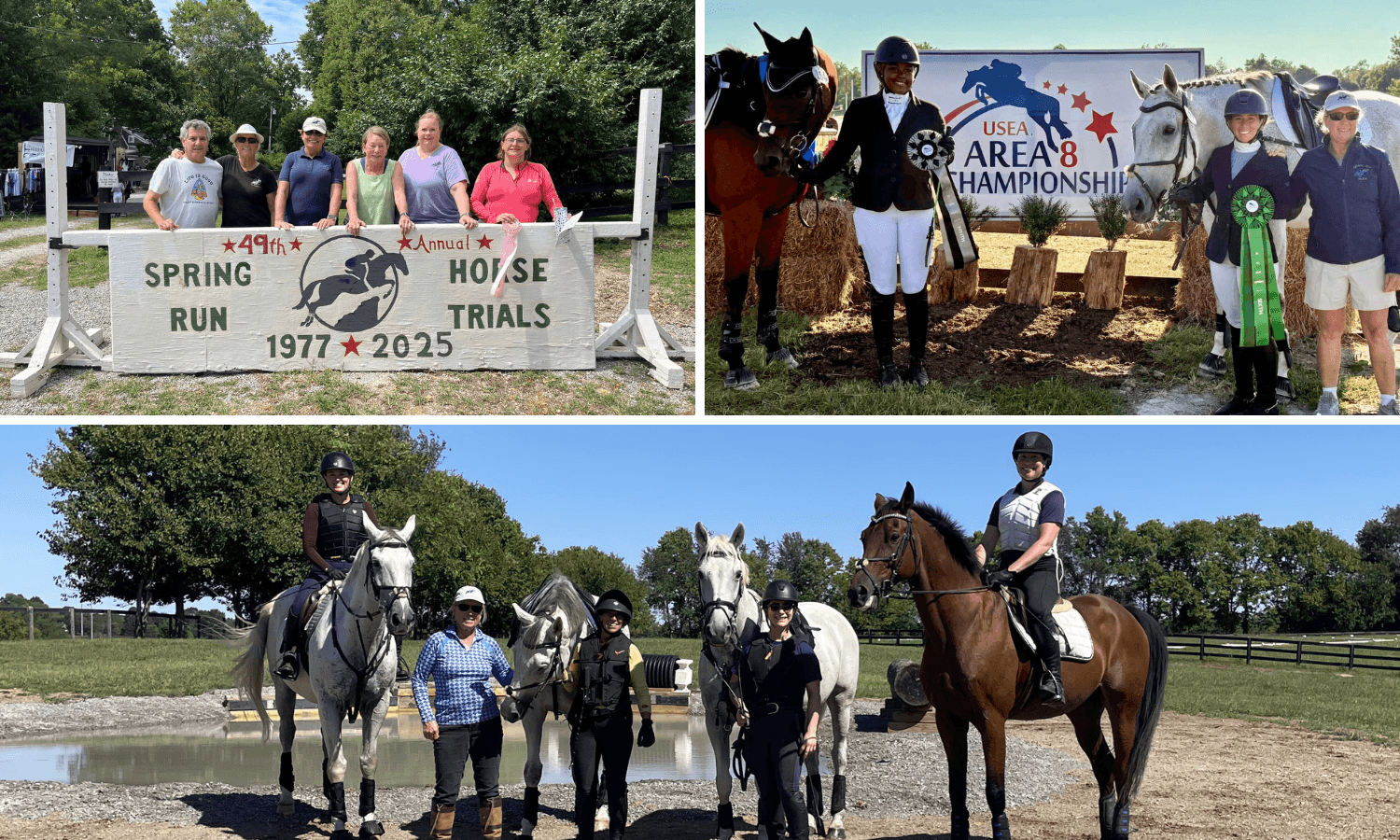
Every Rider Starts Somewhere: A Lifetime of Eventing at Spring Run Farm
Susan Perellis and her Spring Run Farm in Prospect, Kentucky, have been a staple in USEA’s Area VIII since she began teaching in the early 1970s. Over the decades, Perellis has poured her energy into Spring Run, transforming her family’s former cattle farm into a five-barn eventing facility where...