Not Your Day: Knowing When to Push On—or Pull Up—On Cross-Country
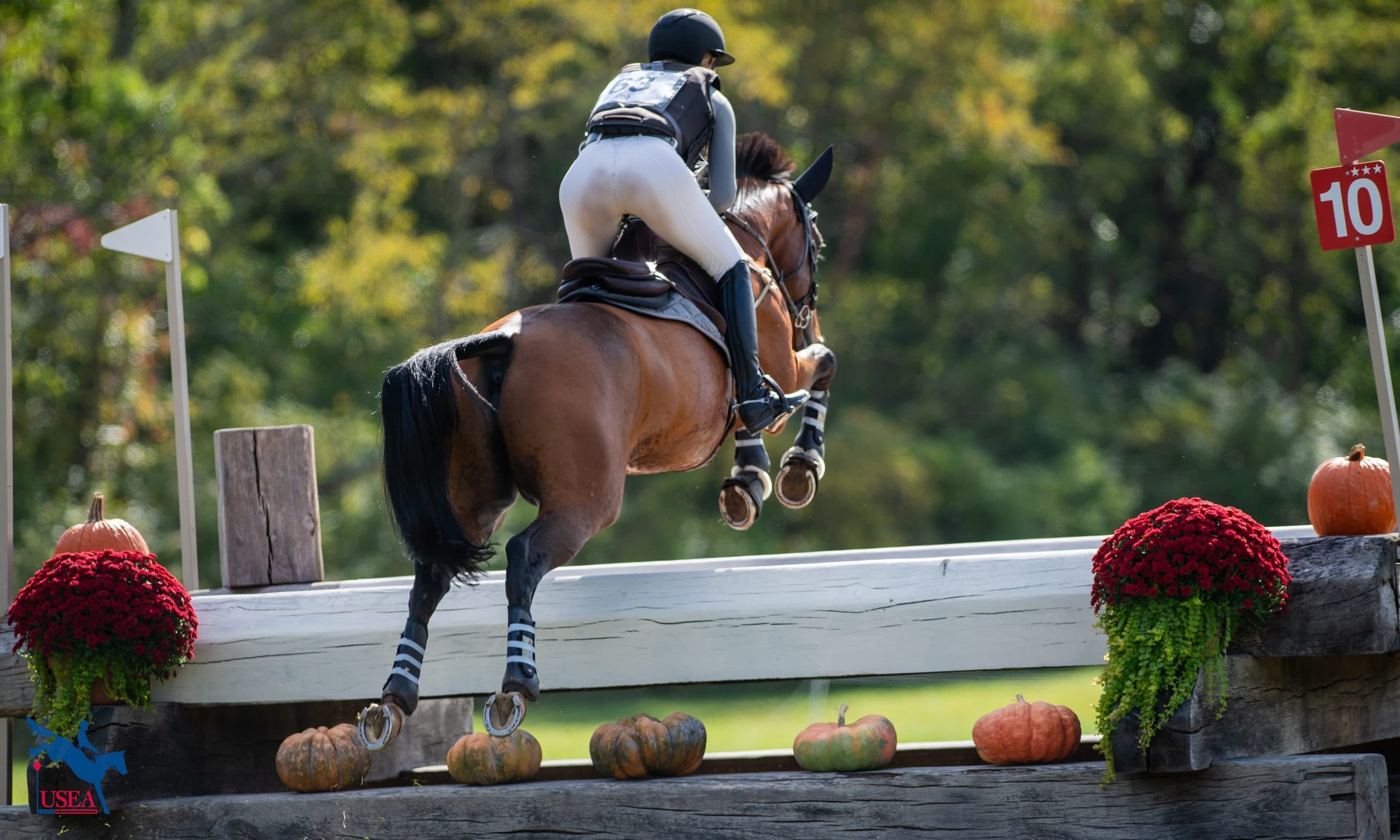
Every eventer knows the feeling: cross-country day arrives, but something feels off. Maybe your week of preparation fell apart, your horse is sharper than expected, or an early mistake rattles your confidence.
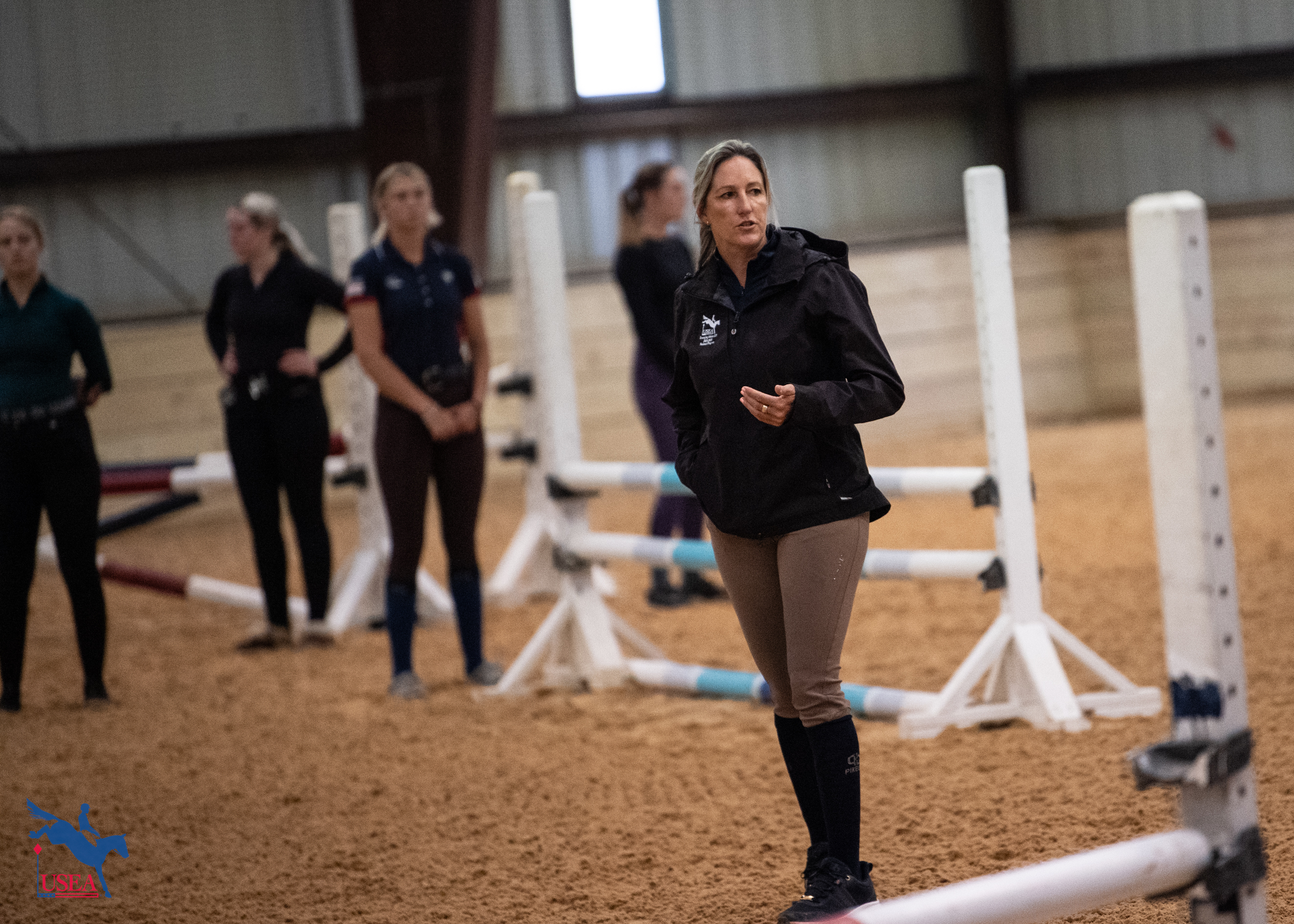
In the heat of the moment, sometimes it’s a tough call to decide whether you should head out of the start box in eventing’s most important phase or when you should pull up if things just don’t feel right, but as USEA Eventing Coach’s Program (ECP) Level V coach and faculty member Bec Braitling puts it, “if you don't love how it feels, then you can come back another day. I think as eventers, we've always been a little on the tough side too. Like, ‘I will make it good; I'll just keep kicking.’ Then sometimes you're like, ‘That's not actually the best approach today.’ Just sometimes it isn't your day.”
Braitling, who’s also a five-star rider, noted that at FEI events, rider meetings consistently emphasize safety, welfare, and the importance of pulling up when things aren’t right—a message she believes deserves more attention at horse trials of all levels.
Most eventers go to competitions to compete, even if they’re not planning to be competitive, but you should have a plan before you go says Sharon White, a five-star rider and ECP Level V coach. “I think it's important to know before you go to the event, is your horse ready to compete? Are you going for the win? You know your horse better than anybody else, and you know whether you're there because you know you're there to win, or you also know when your horse is green to the level and that you're there for education. I think there’s a difference. We're all competitors—that's why we show up. But sometimes you're just going for the education, either for yourself or your horse.”
Any good coach will try to prepare their riders as much as possible for the level they’re competing, and ideally riders will know their horses and themselves well enough to decide if they’re feeling confident on the day, but Braitling says it can be a fine line in determining when to pull up or carry on.
She advises asking yourself, was it a couple of bad distances and a couple of bad fences, or was it more than one stop? Are you riding a young horse that’s truly over faced, or one that simply needs a more confident ride after a few green mistakes? Are you on an older campaigner who’s never stopped and has decided he’s just not feeling up to it today?
“I think we've all seen it on cross-country, where we're like, that was inevitable, or something like that,” she said. “I do think a lot of the time it's probably a little bit of a training issue that creeps in, and then certain courses would expose that. And I think the hard thing for any rider is to make the judgment of, am I going to find my way forward out of this, or is this something bigger than today, and I need to go home and work on it as an overall hole in my training.
“I think there's definitely layers to making that judgment call, because some people are going to make it earlier than others,” she added. “And I think obviously our job as coaches is to educate.”
White added that you should always be trying to do what’s best for your horse, but everyone is allowed to make a mistake. “Horses are very intelligent creatures, and sometimes they're just being sassy,” she said. “And if they're just being sassy, then if they run past something or whatnot, go jump it again. Or maybe you just made a mistake. Who doesn't? And if you know it was your fault, give your horse a pat and make them go jump it again. A horse is allowed to make a mistake. A rider is allowed to make a mistake. The question of when to actually call it a day is when a horse is either over faced or tired or not OK. I think the time to pull up is when you know in your heart that you were good, and your horse is good, and they're just having a bad day.”
Braitling said that coming out of the start box too quickly can cause a few hectic jumps and bad distances, “and then all of a sudden, everyone's a little more unconfident. And some really overconfident riders are probably just going to ignore that and just keep going. And then others that are a little more sensitive to that are going to say, ‘Wow, that didn't feel very good. I'm going to pull up.' ”
Braitling views competing as a time to show off your training, but sometimes you get to a new event thinking you’re prepared, and the jumps or the footing are different than you or your horse are used to, which could cause issues.
This can be especially common with young horses. “I think that's the harder choice when you're actually on a greener horse, where you're hoping as they go that they will build in confidence,” said Braitling. “But it's also possible that they lose confidence as they go, because the questions keep coming. I think it depends too with the rider—if the rider feels very confident in their skills, that they're helping the horse get to a decent distance in a good balance, even if the horse is over jumping or maybe being a little bit sideways, are you still putting good rides in the bank? I think the horses tell you when they're young like that. I do think the horses say, ‘Nah, this is not for me today.’ ”
White pointed to British rider Ros Canter’s five-star horse Izilot DHI as an example. Canter has posted videos of him as a young horse on social media. “It was hilarious. The horse is like, no way I'm going eventing,” she said. “And so clearly that was a tricky young horse. So, at what point are you like, ‘Whoa, this is a square peg in a round hole,’ or like, ‘Wow, look at him now. He's learned so much.’ But I think as riders, that's the hardest thing with young horses is determining what's pushing? Or are you teaching?”
White said that making mistakes is a part of learning, for both horse and rider, but being in a panic is a different thing. “If you're a person in a panic, maybe it's not your day. And a horse in a panic is remarkably different than a horse just learning and making mistakes.”
Coaching for Success
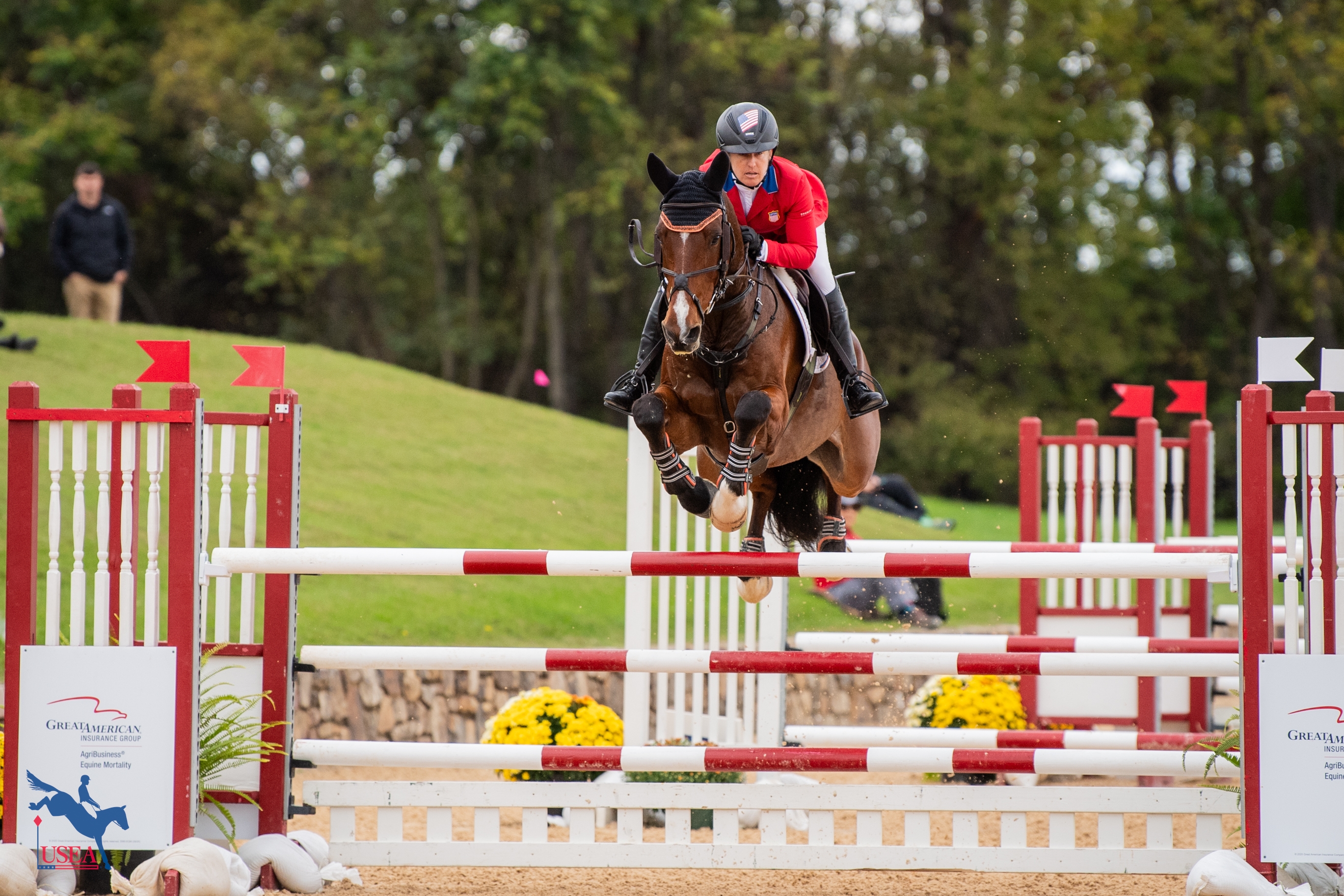
Before her students head out on course, Braitling tries to empower them to make their own choice if things go wrong and tells them they shouldn’t worry about being judged by others if they pull up. She will never tell a student that it was silly or bad to pull up on course or not even start the cross-country, “Because ultimately, they know what it feels like. So that's where that rider responsibility really comes in. And we have to obviously support it, and then recognize what's gone wrong, then what's missing in the training.”
Adult amateurs in particular can have a lot of things pulling at their attention, such as a job or a family, and want to make the most of what may be limited chances to compete, which adds pressure. They may feel nervous about their or their horse’s ability leaving the start box despite being prepared.
“In those situations, I try to make light and try to encourage them to not get too wrapped up in that emotion,” said Braitling. “But if they're willing to leave the box, I at least say, ‘Look, why don't you go jump the first five fences, and then pull up if you don't like how it's feeling or they're getting a little strong.’ You could even give them a checklist of things, like, ‘OK. If this happens, this happens, or this happens, you could pull up, and if you feel like you're jumping, well, keep going. There is an element of, I want to go and do well, but when it comes down to it, you really just want to go and do the best for your horse. [Your horse] doesn't know anything different. He doesn't know the cross-country course is not more than five jumps.”
Braitling tries to draw out as much information she can when talking with a student after a disappointing round, but ultimately, “I always think in the heat of the moment, you're not trying to address too many things, and you're just trying to be like, ‘Hey, you know what, you made the right choice.’ And then you go home and sort of peel back the onion a little bit and work on what it is that's missing.”
Sometimes there are moments on course where you should push through, said White. She recalled a ride at Kentucky when the rules still allowed you to fall off and get back on.
“My horse stopped at the Normandy Bank, and I fell off, and I was convinced that he was just exhausted,” she said. “And then I was sitting on the ground, and I was like, ‘Well, if you think he's so tired, Sharon, well then get back on and see if he's actually tired.’ I got back on, and lo and behold, he wasn't actually tired, and he finished great. So that was my mental mistake, not his mental mistake.”
She also remembered an FEI event where she was dealing with COVID-19 and fell off her top horse, Claus 63, then withdrew the rest of her rides that day. “It's really hard when you've spent the money and you've worked so hard, and it is really hard not to go, but sometimes it is the absolute best thing to do,” she said.
In a sport where bravery and determination is often celebrated, knowing when to pull up is just as important. The key is learning to recognize the difference between a challenge that builds confidence and one that risks breaking it.
For White, in the end, it comes down to, “If you're not winning, you're learning, because it happens to everybody— it's a part of being a competitor. You can't be successful 100% of the time. Absolutely nobody is. So don't worry about it.”
“If you're always putting your horse first to the best of your intention, you’ve made the right decision. Period. End of story,” she added. “And putting your horse first is putting the partnership first; you and your horse together. And sometimes that the best decision is go do because that’s the best thing for them, because they enjoy the job, and you enjoy the job. And I think it's important to remember that.”
About the USEA Eventing Coaches Program (ECP)
Coaches are essential to the training of riders and horses for safe and educated participation in the sport of eventing. The USEA Eventing Coaches Program (ECP), formerly known as the Instructors’ Certification Program (ICP), was initiated in 2002 to educate all levels of eventing coaches with crucial training principles upon which they can continue to build throughout their teaching careers. ECP offers educational workshops and assessments by which both regular coaches, Level I through Level V, Young Event Horse (YEH) coaches, and Young Event Horse professional horse trainers can become ECP certified. Additional information about ECP’s goals, benefits, workshops, and assessments as well as names and contact information for current ECP certified coaches, YEH coaches, and YEH professional horse trainers are available on the USEA website. Click here to learn more about the USEA Eventing Coaches Program.
The USEA would like to thank Marshall+Sterling Equine Insurance, Stable Secretary, Strider, and the United States Pony Clubs, for their support of the Eventing Coaches Program.
Related Articles
Never Say Never: Devoted Area VII Volunteer Sarah Airhart Completes Her First USEA Recognized Event
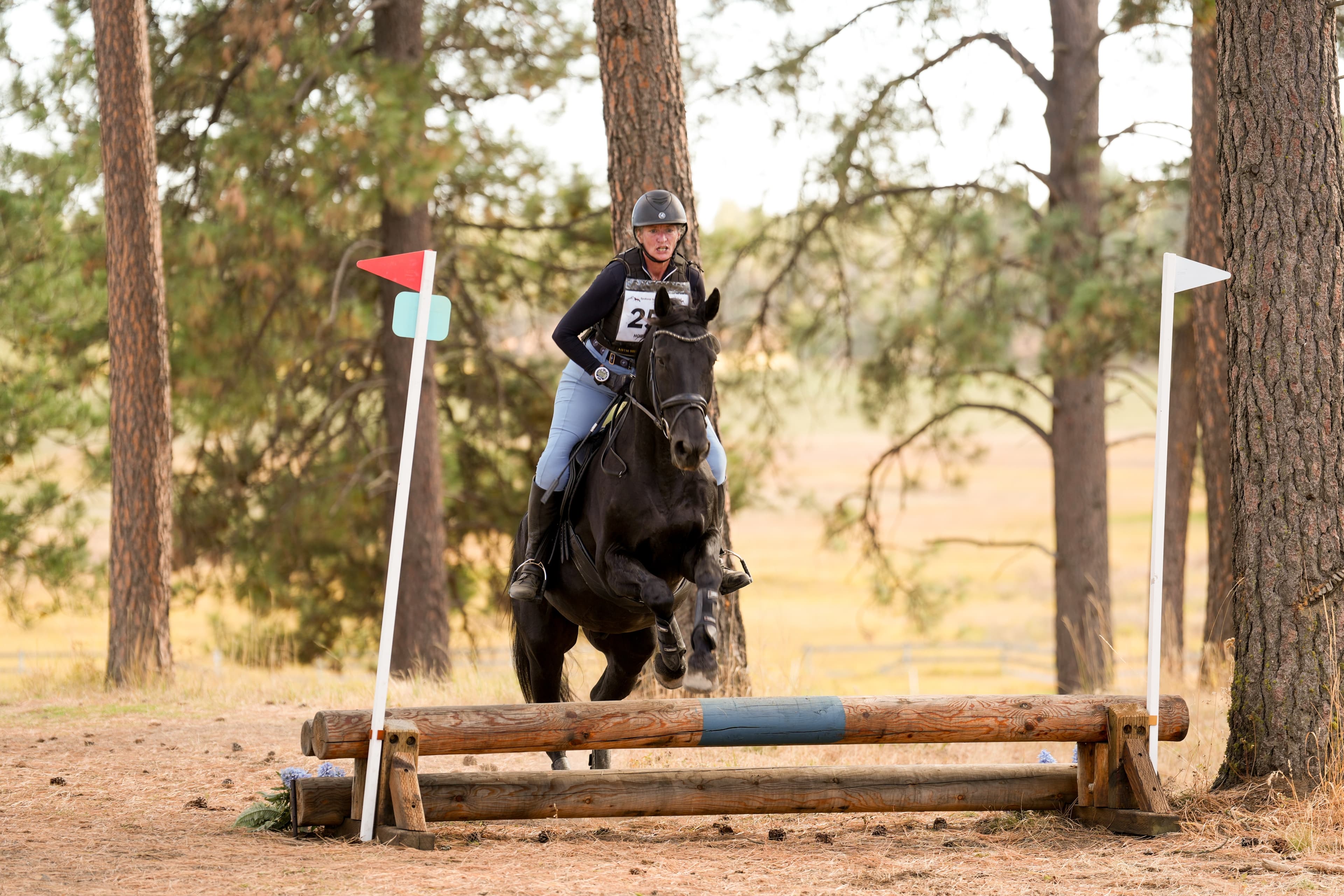
Sarah Airhart had it made. She was enjoying a half lease on a 16.2 Warmblood named Pantero (Rex Grannus x Tibet) that she adored and whose owner, Ronni McLaughlin-Remy, was willing to take them wherever they’d liked. She also landed a coach who she long admired through her 12 years of volunteerin...
The Work of Breathing: Respiratory Load and the Young Event Horse
Developing a young event horse is an exercise in patience and detail. Riders build fitness gradually, introduce new questions carefully, and pay close attention to soundness, nutrition, and confidence. One part of the workload is easy to overlook because it rarely shows itself: the work of breath...
Centerline Success : An Afternoon of Learning, Insight, & Inspiration at Devon
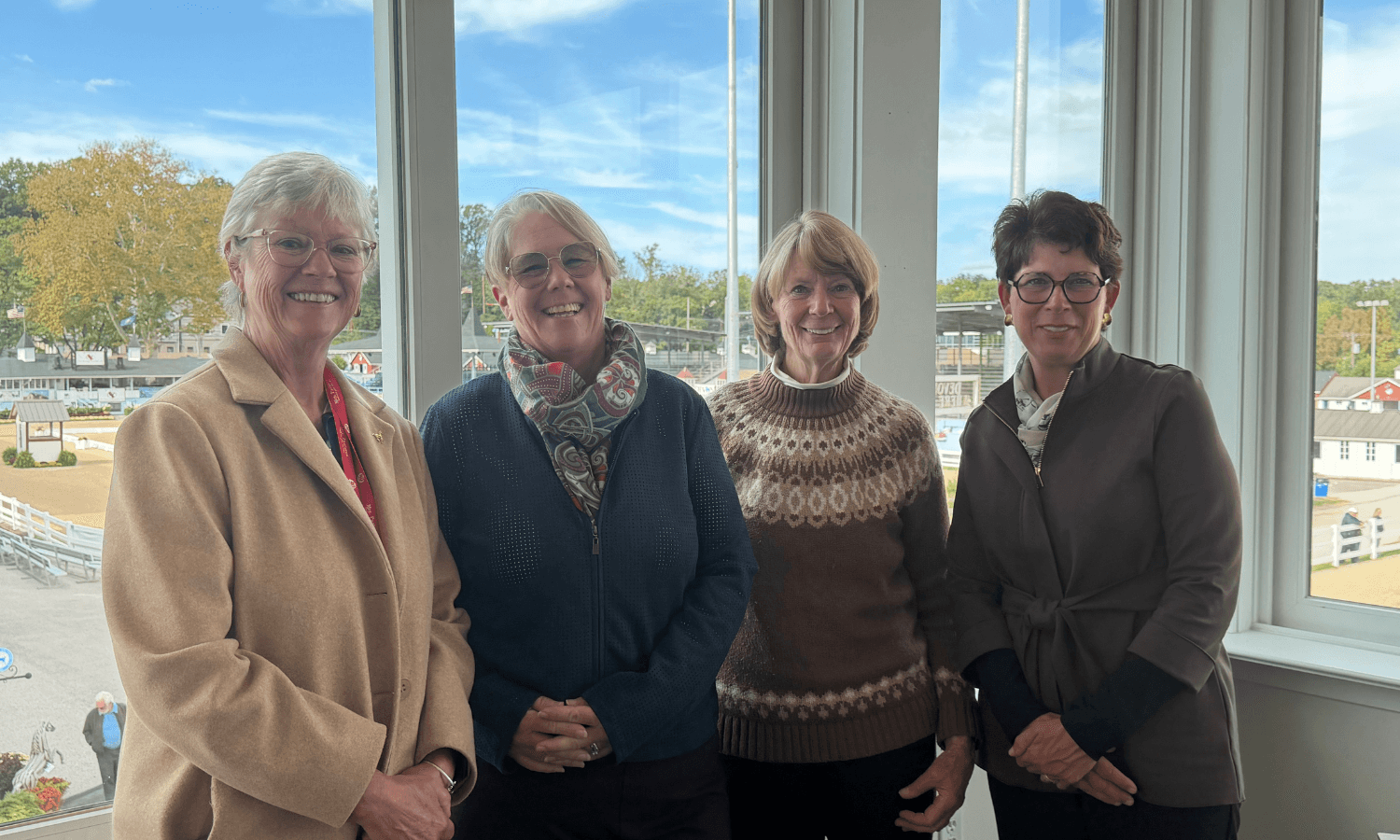
Center Line Success, sponsored by Team Tate Academy and hosted by USDF, provided its 80 attendees with a wealth of knowledge to put into practice. Jeanne McDonald, USEF “S” Dressage judge, and Heather Gillette, USEF “S” Eventing judge, generously took time out of their day to present and all atte...