Fighting the Fights We Can Win
This President's Letter, written by USEA President Diane Pitts and CEO Jo Whitehouse, appeared in the May/June issue of the 'Eventing USA' magazine. To receive the USEA’s award-winning print magazine, join today!
Let us start by reiterating that the safety of rider and equine athletes has been and always will be a paramount concern of the USEA, its staff, officers and directors. The Association works tirelessly and continually to improve safety in every aspect of this sport.
As an Association, our focus has to be on fighting the fights we can win - improving safety in areas over which we can have some influence. We also have to recognize that there are also fights we cannot win. For example, while we have been at the forefront of preserving the traditional format through the Beginner Novice, Novice and Training Three-Day Events, the decision to eliminate the traditional Three-Day format for FEI events is beyond our reach. If you look at the recent discussions at the FEI Sports Forum, you will see that the sport itself is continually working to maintain its position as an Olympic and World Equestrian Games sport. A return to the traditional Three-Day format at FEI events is not in the cards.
Our goal will always be to eliminate all tragic accidents at competitions. In striving toward this goal, however, we must focus our attention and resources on matters that we can influence. Actions by the USEA speak volumes about our commitment to safety and to the health and welfare of our equine athletes. From the funding of the frangible pin study to the requirement that mounted riders wear harnessed helmets, we take actions to make our sport safer whenever we can. The Task Force on Cross-Country Jump Design has restated its commitment to frangible technology and continues to explore improved jump design and materials as well as developing construction standards. The Instructors’ Certification Program continues to provide sound foundations and skills to our instructors.
We must also ask riders to shoulder some responsibility for safety in our sport. Even with all the work being done by the USEA and committees to improve safety in Eventing and to improve the quality of instruction, there is no substitute for hours spent in the saddle. There is no such thing as being over-prepared for this sport. Have we educated ourselves and our horses to be ready for any and all of the questions we will be asked on the cross-country course? Have we seen enough different courses with the myriad types of fences at the level at which we are now competing? Do we know our horses so well that we can anticipate what their reaction will be? Are we ready to make split second decisions that will have a greater impact on how well we negotiate the fences? This is what we call rider responsibility and it is something every rider, no matter what the discipline, has to accept—each one of us is totally responsible for making sure we and our horses are as well prepared as possible.
In Eventing, this is particularly true when it comes to knowing how to set the horse up in the approach to the fence and making sure that the horse has time to see and assess what he is being asked to do. As riders, we must select the correct pace, neither too fast nor too slow, and we must be able to shorten or lengthen the horse depending upon what the course requires. Lessons with our instructors, evaluating our progress regularly, and practicing our homework assignments daily are the best ways to prepare our horses and ourselves for our sport. We should discuss with our instructors when is the best time to move up to the next level and not just move up because we have met the minimum qualifications necessary for the next level. We should strive for competency at a level rather than just “getting around." Conditioning our horses so they are fit enough to gallop and jump, especially during the hot summer months, is a vital part of their education and of ours. Riding a fit and well-conditioned horse cross-country is essential for our safety.
The USEA has a wealth of educational information on our website, from the magazine archive (behind the member login) to the videos provided for us by Eventing Training Online. Who better to show us how to condition our horses but the great Jack Le Goff, US Team Coach from 1970 to 1984 and two of our most famous Team riders, Veteran Olympic multi-medalist Jim Wofford and multi-gold medalist Tad Coffin? While the traditional long format, for which many of these articles were originally written is for many a memory, the principles of conditioning these riders followed are still very relevant today. The training schedules of those lions of our sport in the last three decades of the 20th century, when horses from the Preliminary level to the Four-Star level had to tackle miles of roads and tracks, steeplechase and cross-country on Endurance Day, should be required reading for every one of us who loves to Event.
At the end of the day, every single one of us needs to make safety in Eventing the highest priority for ourselves and especially for our horses. It requires a truly collaborative effort on the part of every one of us. The commitment to safety must be a partnership among all of us, with the USEA working continually to improve course design, fence construction and creating rules to keep its members safe, and the rest of us working to master the three E’s of Eventing: Education, Evaluation, Experience.
Let’s fight the fights we can win and all strive to improve safety in our sport.
Related Articles

Standlee Returns as Corporate Sponsor and “Official Forage of the USEA” for 2026
The United States Eventing Association (USEA) is excited to announce that Standlee has renewed as a Corporate Level sponsor for 2026. They will continue as “The Official Forage of the USEA,” Gold Level Sponsor of the USEA American Eventing Championships (AEC), and Contributing Sponsor of the USEA...
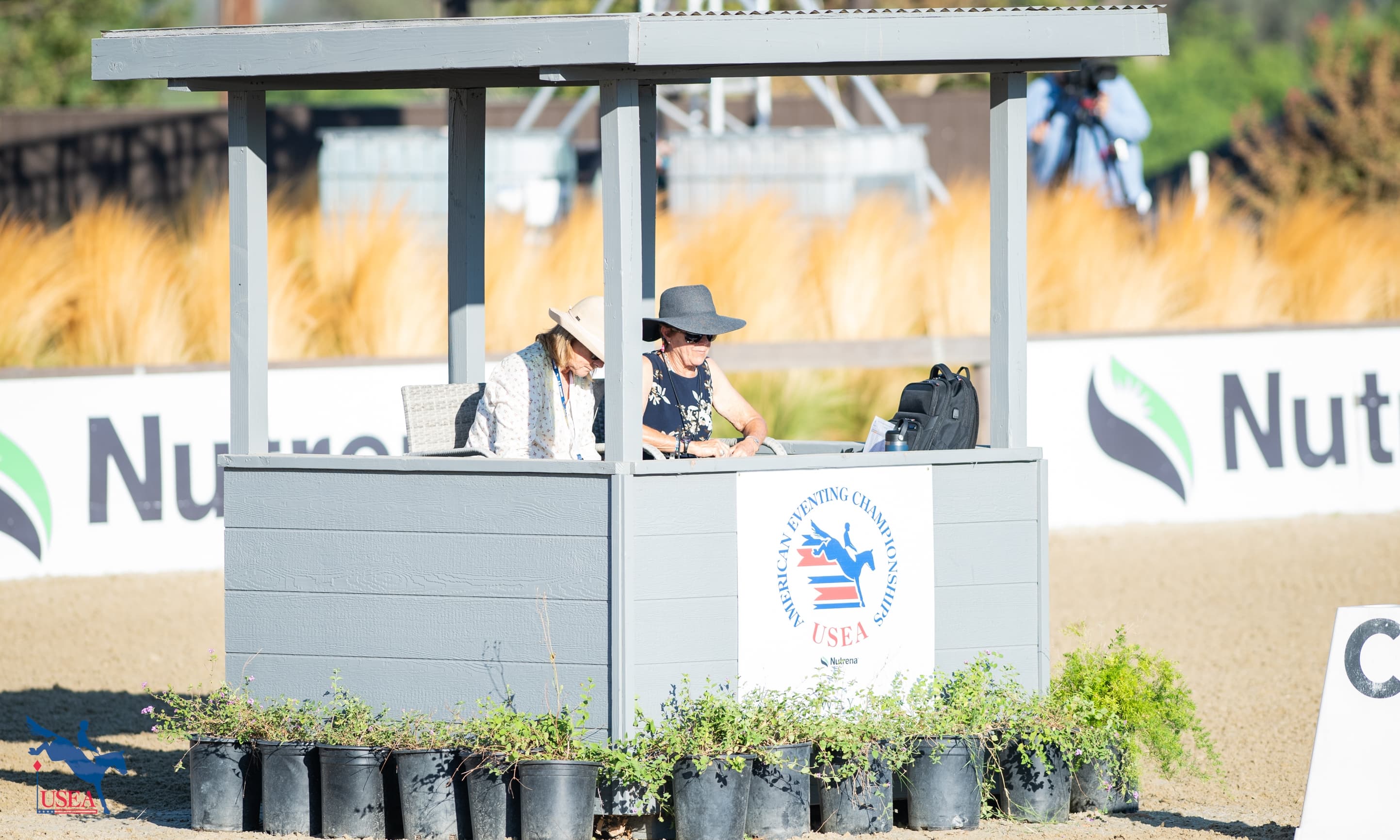
The VAP Series – Dressage Scribes
The USEA Volunteer Achievement Program (VAP) was created by the Volunteer Committee in 2025 to recognize the sport’s volunteers for their education, experience, responsibility, and commitment in dif...
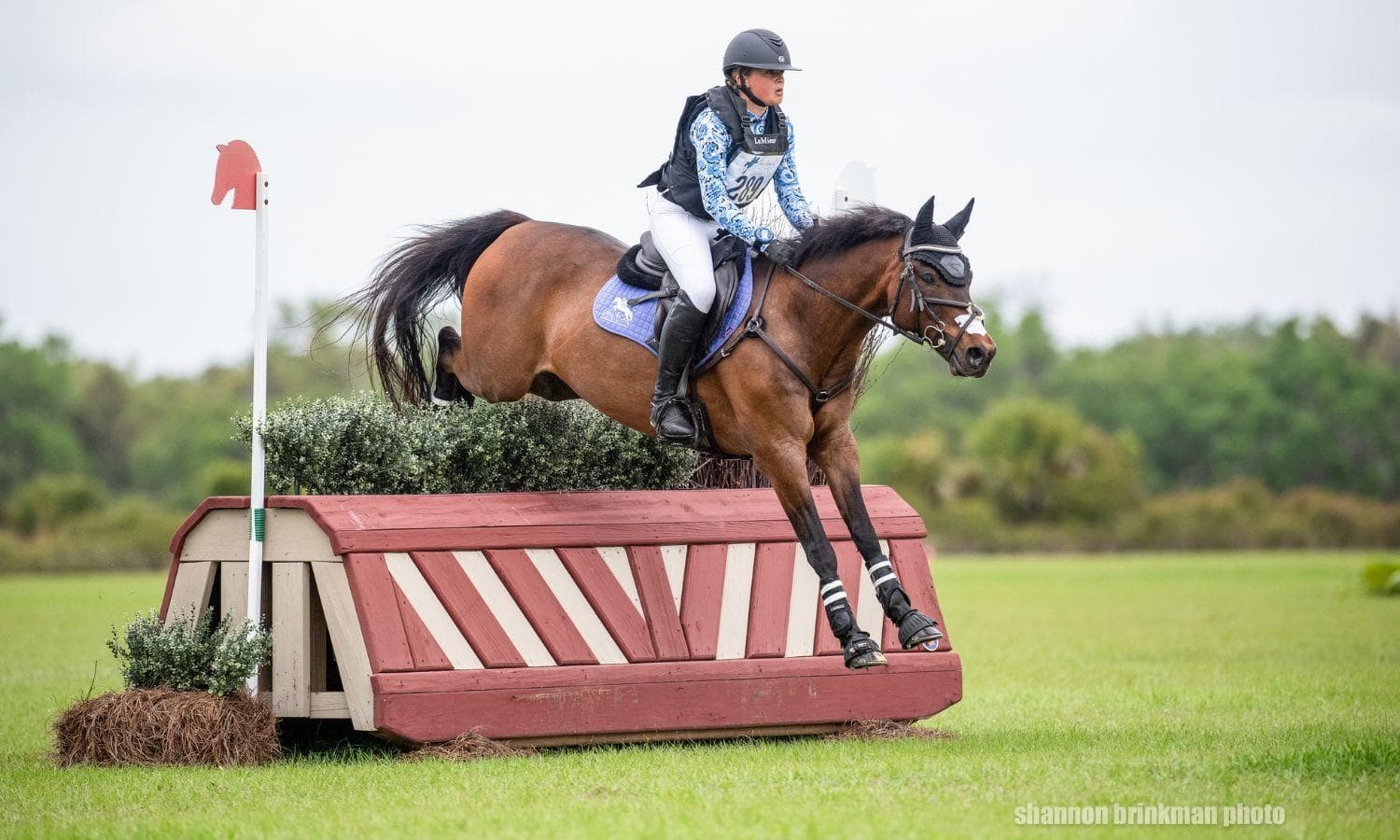
Borton Comes Full Circle at The Event at TerraNova CCI1*-S
It was a full-circle moment for Addison Borton when she competed in the CCI1*-S at The Event at TerraNova, held March 26-29 in Myakka City, Florida. Just 11 years old, Borton rode Way Too Marvelous BSR to fourth-place finish in her first international event—three years after her first ever USEA-r...