The VAP Series: Dressage Bit Check
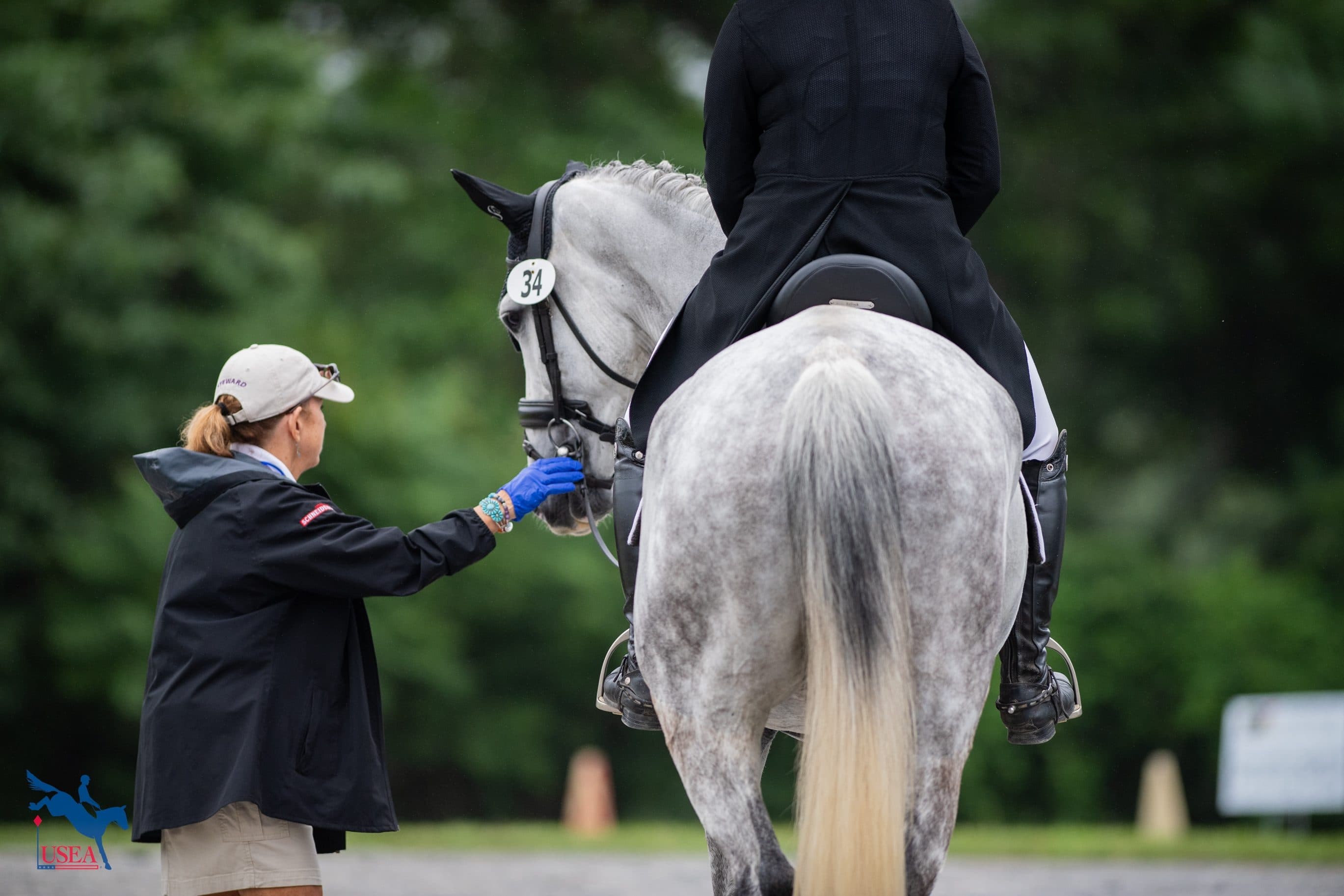
Before the first horse heads down the centerline and the first dressage score is awarded, one group of volunteers helps ensure every competitor enters the ring on a level playing field: the dressage bit checkers.
The USEA Volunteer Achievement Program (VAP) was created by the USEA Volunteer Committee to recognize volunteers for their education, experience, responsibility, and commitment in different roles offered at USEA Recognized Events. Next up in our VAP Series, which shares best practices for completing your badge in every role available through the program, we will be highlighting the role of dressage bit checker.
Positioned near the dressage warm-up or competition arena, dressage bit checkers verify that every horse and rider meet the equipment requirements before stepping into the ring. From checking bits and nosebands to measuring whip length and confirming legal tack, these volunteers play an important role in horse welfare, fairness, and competitor safety.
What Does the Dressage Bit Check Volunteer Do?
The primary responsibility of a dressage bit checker is to ensure every competitor's equipment complies with USEF and USEA rules before they enter the dressage arena.
Before their shift begins, volunteers check in with the Volunteer Coordinator, gather their materials—including an order of go, clipboard, radio, pens or pencils, and disposable gloves—and set up their station near the dressage warm-up or competition arena. Reviewing the day's schedule and coordinating with the Dressage Warm-Up Steward helps ensure every competitor passes through the bit check station before their test.
Once competition begins, volunteers working in the dressage bit check role carefully and safely inspect each horse and rider. Wearing a clean glove, they check the horse's bit, verify the noseband is not overly tight, inspect spurs for legality and proper placement, measure whip length when applicable, and ensure the competitor's bridle number is visible. If a horse is wearing an ear hood, volunteers explain the post-test inspection procedure, and if any equipment does not comply with the rules, they immediately notify the Technical Delegate, so competitors have an opportunity to correct the issue before entering the arena.
Skills for Success
Successful dressage bit checkers are observant, approachable, and comfortable working around horses in a busy warm-up environment. They must be familiar with current tack regulations while communicating clearly and professionally with riders, trainers, and officials.
Because equipment rules are updated periodically, many volunteers appreciate that the role helps them stay informed while continuing to learn.
"I would have to say I love being able to interact with the riders as well as their coaches, trainers, and families as they enter the first phase of their three-day event for the horse trial. I also like volunteering for this position because it does keep me up to date with what is legal and not legal with the bits/tack on both horse and rider. Anything new to either horse or rider usually materializes here first.
"For someone new volunteering for this position, I would have them work alongside someone else who is an experienced bit/tack checker to learn how the position works and how to approach both the rider and horse when doing so." — Cheryl S. (Area III)
Experienced volunteers also know that helping competitors feel comfortable is just as important as completing the inspection itself. A friendly smile, calm demeanor, and willingness to answer questions can help set a positive tone before riders head down centerline.
Why Volunteers Love the Position
For many volunteers, dressage bit check is one of the most rewarding ways to contribute to an event. It combines education, interaction, and service while offering the chance to meet competitors from every level of the sport.
"I enjoy doing the bit checking that I do," said Sue R. (Area V). "It's something easy to do, it's not hard, but some people don't like doing it because you have to interact very closely with the horse's mouth. Usually, timing wise, it allows me to watch my family and friends ride in the show. I like it at lot, and also, it's social and you get to see everyone. I've always enjoyed doing it, and usually, I'm at bit check!"
"My favorite part about this role is being able to connect with riders and their horses and make a positive impact on their first test of the dressage part of competition. I enjoy helping riders, working with my team, and learning new dressage updated rules. I truly enjoy the work and appreciate that every shift is different. Being part of an event that helps riders have a successful and enjoyable competition is very rewarding." — Masae M. (Area III)
"No other volunteer position gives you time to greet every rider and see every horse, every breed, like bit check. I have to stay up to date on all the rule changes. The position challenges me, yet also provides an understanding for the rider when they question the rule. Rules are always changing. I am cheerful, polite, and thank them for coming to the event. We as volunteers must remember the travel, training and expense each rider has prepared for to compete and offer encouragement once on site." - Bob P. (Area VIII)
Whether they enjoy learning the latest equipment regulations, catching up with friends throughout the day, or helping riders begin their competition with confidence, dressage bit checkers are an important part of creating a fair, safe, and welcoming competition environment.
How Do I Earn My Badge?
Are you ready to earn your Dressage Bit Checker badge? Log onto EventingVolunteers.com, go to "My Dashboard," and use the "My Achievements" tab to follow these steps to start your journey toward earning a badge today:
- View the volunteer video and read the guidelines for the role by clicking the icons next to the "Dressage Bit Check" title in the first column.
- Take the assessment for the role and score an 80% or higher to proceed.
- Work as a Dressage Bit Checker at two (2) or more USEA recognized competitions for the required number of hours.
- Once the hour requirements have been met, apply for the badge directly through EventingVolunteers.com by requesting a recommendation in the fifth column on the "My Achievements" page.
- The Volunteer Coordinator(s) or Organizer(s) for each competition where you worked will be asked to approve your application for the badge.
- Once approved, the badge will be added to the role in your Eventing Volunteers profile.
To learn more about the Volunteer Achievement Program, visit the USEA website. To create an Eventing Volunteers profile, visit EventingVolunteers.com. For more information on the VAP or the USEA Volunteer Incentive Program, please contact Kaleigh Collett at [email protected].
Good luck earning your next VAP badge!
Related Articles
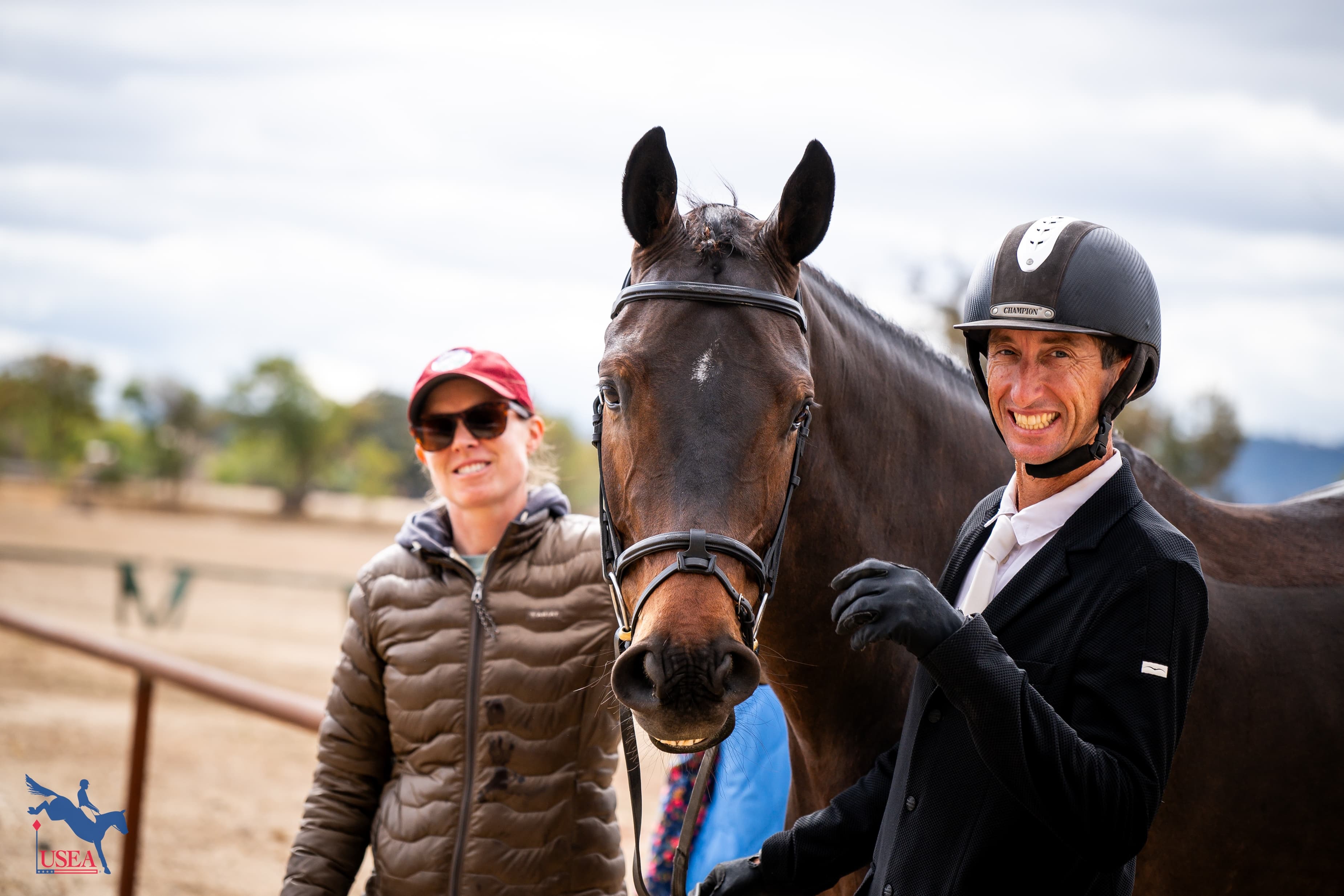
Day One Recap from the 2026 USEA Young Event Horse West Coast Championships
The 2026 USEA Young Event Horse (YEH) West Coast Championships kicked off with the dressage and conformation phases today at Twin Rivers Ranch in Paso Robles, CA. James Alliston leads the 5-year-old championship with a 24.95 on Petey Alliston's Viodor (Vidar x Haupstutbuch Sibrensil), a German-br...
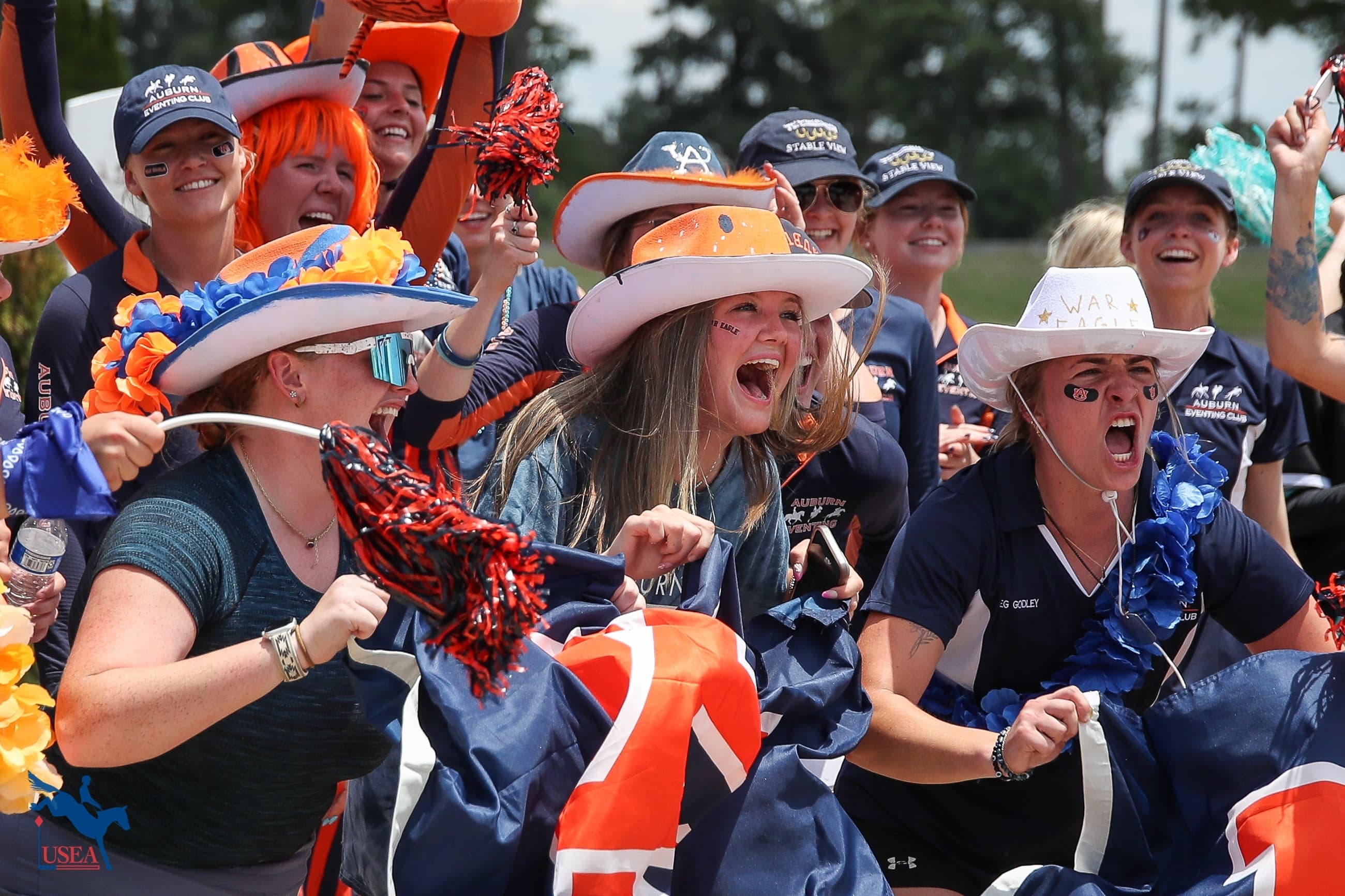
Request for Expressions of Interest: 2028 & 2029 USEA Intercollegiate & Interscholastic Eventing Spring Championships Host Sites
The United States Eventing Association, Inc. (USEA) is excited to announce a request for expressions of interest to host the USEA Intercollegiate & October 23, 2026
Fast Facts: 2026 USEA YEH West Coast Championships
As of this morning, 19 young horses are entered in the 2026 USEA Young Event Horse (YEH) West Coast Championships at Twin Rivers Ranch in Paso Robles, California, which take place this weekend, October 23–24. The field includes six 4-year-olds and 13 five-year-olds. Horses qualify for the West Co...
Official Corporate Sponsors of the USEA
Become a Sponsor