The USEA Youth Mentorship Program Offers an Inside at Look Running a Top Competition
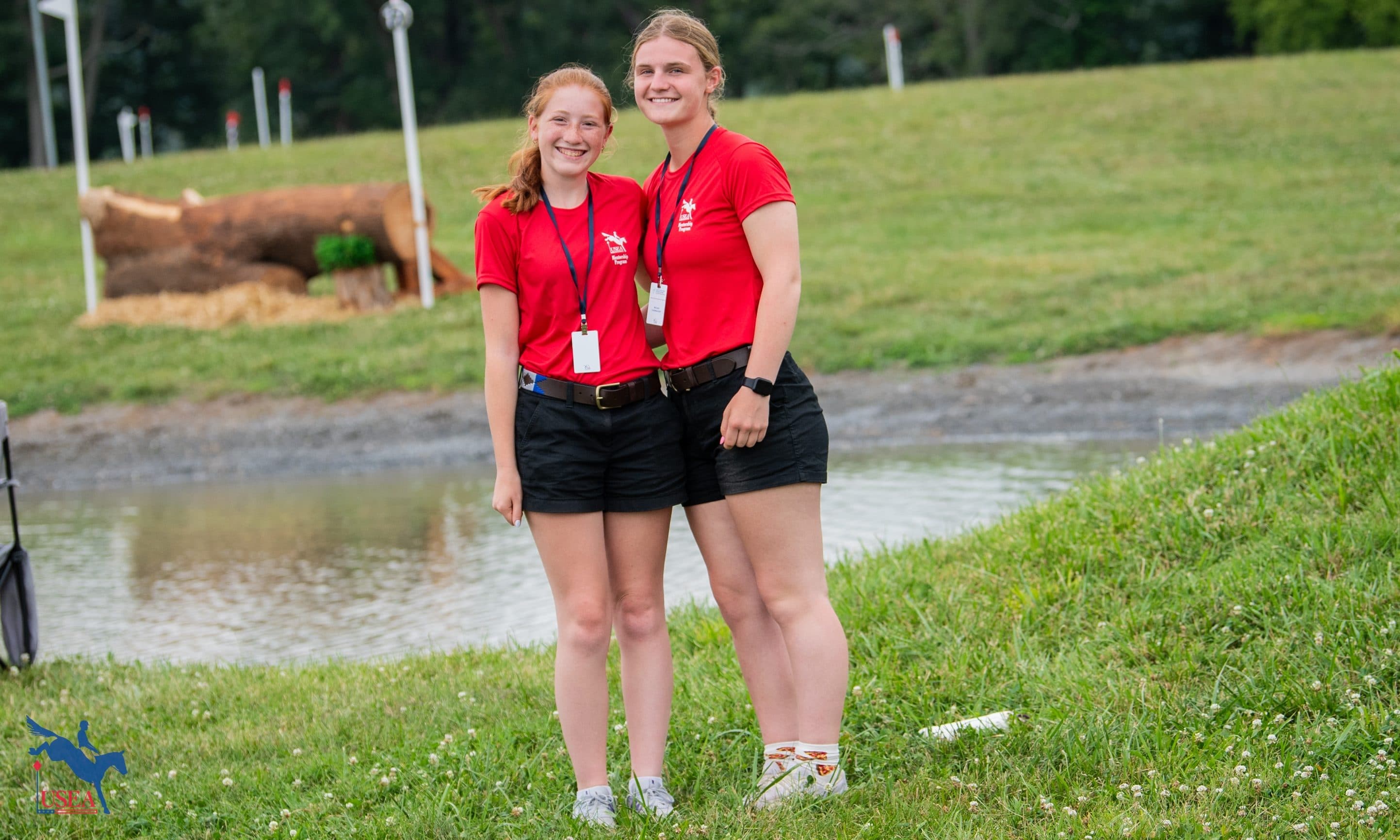
The USEA Youth Mentorship Program gives a behind-the-scenes look at what it takes to run and officiate an international event, helps Young Riders and Intercollegiate athletes experience competition from the inside as a part of the officiating and management teams, encourages furthering sport education, and helps youth athletes seek and identify career paths and job opportunities, network, communicate, and seek new experiences within the eventing.
In June, four young riders participated in the program at the Maryland International. Each participant wrote about their experience in the program, and we are sharing them in two parts. To learn more about the USEA Youth Mentorship Program, click here.
Reese Weiss (Sherborn, Massachusetts)
This past June at the USEF Eventing Young Rider Championship at Maryland International, I was able to participate in the mentorship program with three of my fellow Area I Young Riders; Charlotte Thompson, Megan Cavanagh, and Caroline Abbe. The program was led by USEA Mentorship Coordinator Holly Covey and was such an educational and fun way to learn about what it takes to put on a show and all the people needed to help it run smoothly. The program ran from Thursday to Sunday, and each day there was something new to do involving each phase of the event.
The first day the Mentorship Program met was Thursday, when we got to be with the vets for checking in the horses. We learned about scanning microchips as well as FEI passports and all the information needed to participate in an event. We got to talk to Dr. Chuck Arensberg, the FEI Veterinary Delegate, and learn about what they look for in the jog, like looking at the horse's fitness level. Next, we got to go out onto the cross-country course with Technical Delegate Muffin Pantaze and learn about how to measure the jumps and how they are decorated according to the type of jump, as well as how the horse could view it. The last thing on Thursday we did was walk the full cross-country and follow along with the ground jury for their course inspection, which was led by Technical Delegate Andrew Temkin. We got to hear about what they look for when doing the final course walk and how they think of every possibility so that they can fix it before the riders can walk and ride on cross-country day.
The second day was dressage, and each one of us in the Mentorship Program got to sit in a judges' booth and listen to what goes on as they judged different tests from all different levels. I had the privilege to sit in the booth with President of the Ground Jury Peter Gray. I observed the three-star and two-star tests and was able to listen to how important accuracy and precision were in each and every test, as well as in general what the judge was looking for. As this took up most of the day, at the end we were also able to do another course walk with the course designer for cross-country, Andrew Heffernan, which was so interesting to look at and hear about the course from another perspective, especially from the person who created the course.
Next was the jumping phases. On Saturday was cross-country. Each of the mentees got to experience the different jobs and learn about what each official does to help make sure the day runs smoothly. First, I was able to stay with Angie Leihy, Gold Medal volunteer and experienced fence judge, and was able to help judge her frangible jump at the coffin. We saw firsthand how the pins work to make sure they are ready, so that each rider has a fair run. Then, we were able to go into the control booth, as well as go out with different members of the ground jury around the cross-country course while watching all the different levels throughout the day.
It was interesting to view cross-country from all different perspectives from the different officials—jump judges, President of the Ground Jury, vets and control. Standing with the vets in the vet box for a few riders helped me hear what they were looking for in sound horses completing the cross-country.
Sunday was the last day, where we got to watch the jog up close, and take turns in the show jumping control booth with the announcer, Ground Jury, and everyone else that helps show jumping run smoothly.
The Mentorship Program as a whole was such an amazing experience, and I am so thankful it is there to help me and my fellow young riders learn what it takes to put on such an incredible show and championship.
Megan Cavanaugh (Hopkinton, Massachusetts)
This year, during the USEF Eventing Young Rider Championships at the Maryland International Three-Day Event at Loch Moy Farm, I was lucky enough to be selected for the USEA Mentorship Program. This program allows aspiring young riders to be able to closely watch officials and see what it takes to put on an FEI event.
When we watched dressage, I received insight on how the judges score each test and what they look for in a successful ride. I got to sit in the judge’s box with Amanda Miller and listen in on her perspective of each horse. What was also helpful was being able to hear the reasoning for each score and seeing a test they liked versus one that she did not like as much. By watching different riders, I was able to see why some received higher scores than others. I also learned that accuracy is very important, as even small mistakes can affect the final score.
I found it really interesting how much first impressions matter. Amanda was paying attention to how the riders were presenting themselves before the test had even begun.
I also really enjoyed cross-country. Before cross-country, we were able to attend a course walk with course designer Andrew Heffernan. I got to see his visuals for the course and his intentions for how the course would ride. I really liked his piggy bank analogy, about how you should respect every jump, and when you have a bad jump, it takes money away. We learned about the different types of gallop or canter to approach different types of jumps.
Another helpful piece of advice that I took away from his course walk would include how terrain affects where your horse wants to go. Hearing the course designer’s perspective gave me insight on how I am going to ride my courses.
At the official in-barn inspection for the FEI divisions, we were able to see firsthand what the vets look for and do when horses first arrive at the venue. We got to talk with vet Dr. Chuck Arensberg, who told us all about what they are checking in the FEI passports, how to scan a horse’s microchip, overall fitness to compete, and checking a horse’s temperature. Once they watch a horse jog and make sure it has fitness to compete, the horse is ready to enter stabling. We learned that no horse can enter stabling without being checked by these vets first. Dr. Arensberg also told us about the different levels and certifications he had to get to become a head FEI vet. It was really helpful to see this whole process, so I can know how to be prepared for an FEI event when the day comes in my training to compete.
Related Articles
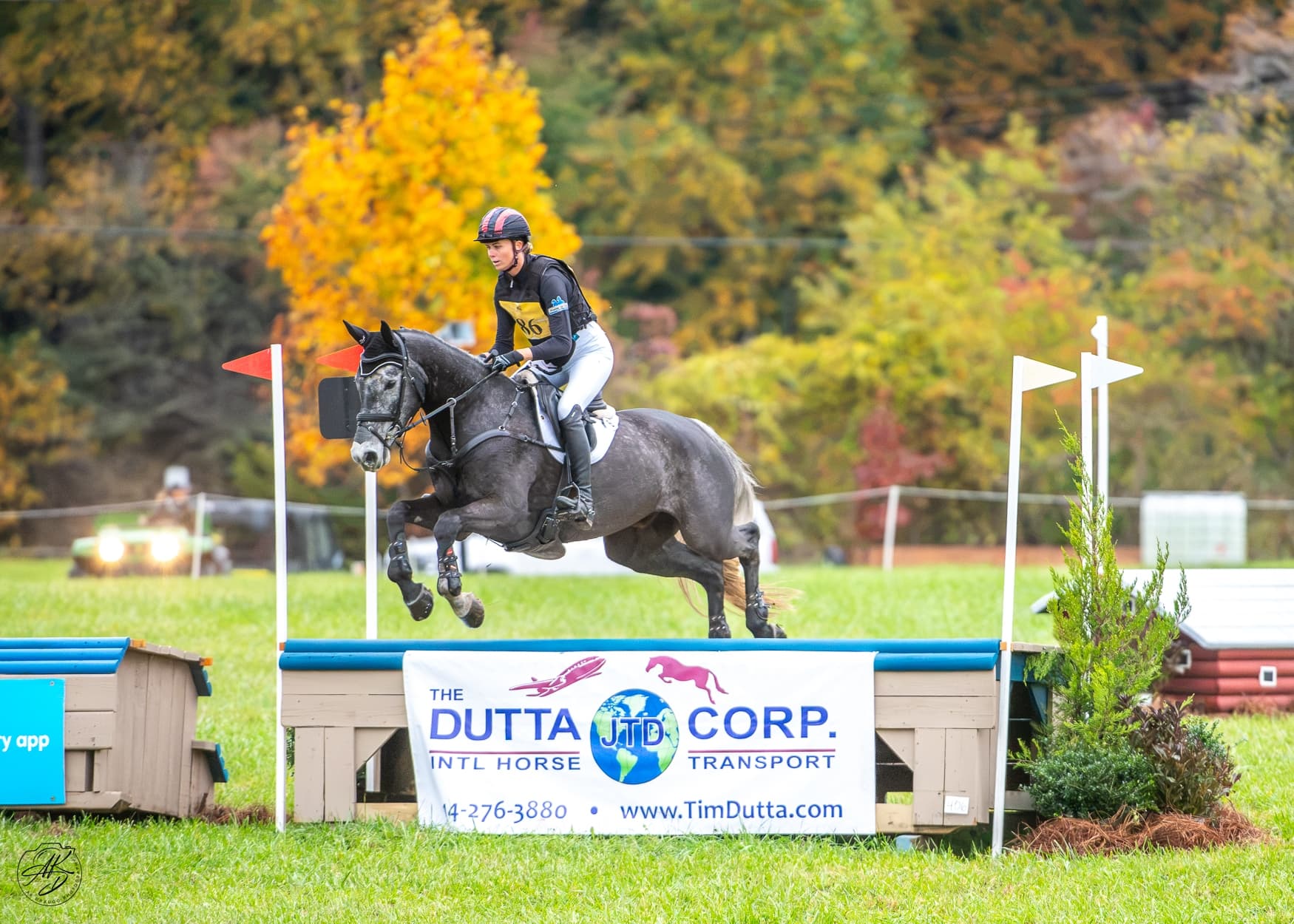
HSH Moves Like Jagger Takes Center Stage in USEA YEH East Coast 5-Year-Old Championship
It was a weekend to remember for Caroline Pamukcu at the 2026 Dutta Corp. USEA Young Event Horse (YEH) East Coast Championships at Fair Hill, as she followed up Friday's victory in the 4-year-old division with another championship title on Saturday, this time aboard HSH Moves Like Jagger. The 5-y...
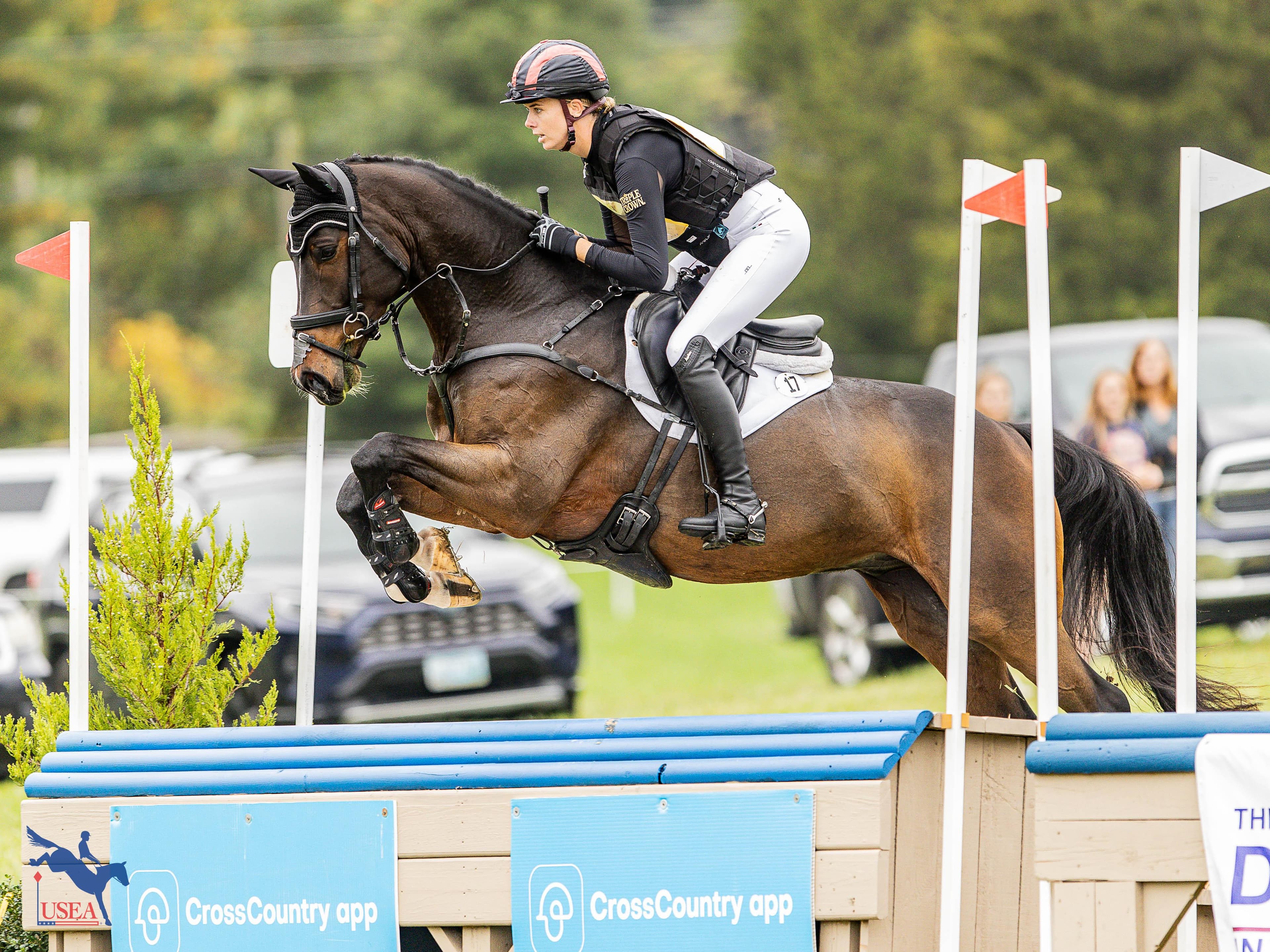
HSH Straight Arrow Hits the Mark in 2026 USEA Young Event Horse East Coast 4-Year-Old Championship
Caroline Pamukcu added another USEA Young Event Horse (YEH) Championship title to her résumé today at Fair Hill, piloting HSH Straight Arrow to victory in the 2026 USEA YEH East Coast 4-Year-Old Championship. The 4-year-old Irish Sport Horse gelding, owned by Pamukcu and Sherrie Martin and bred b...
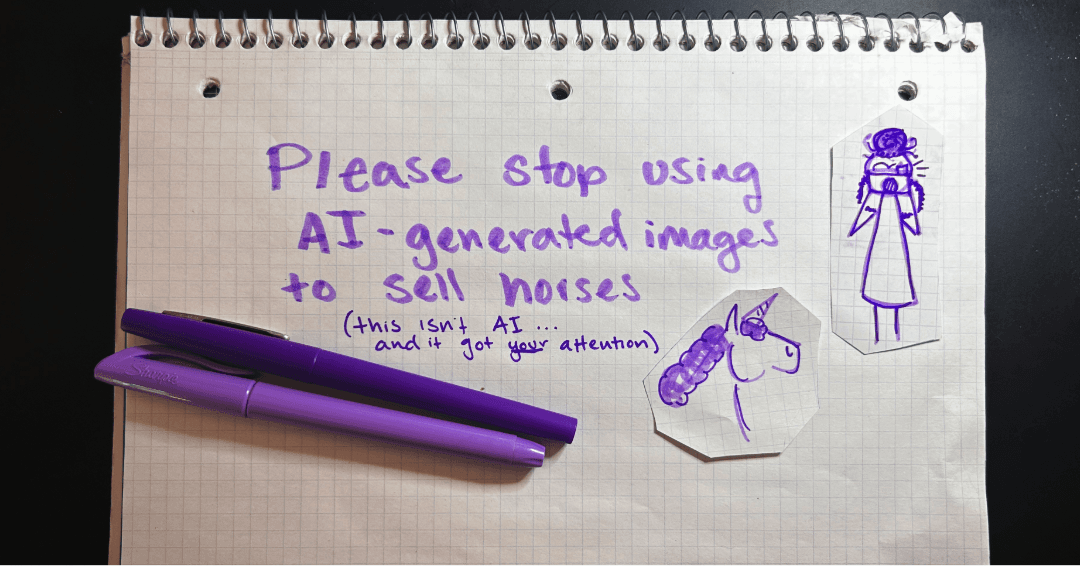
A Plea From Your Friendly Social Media Manager: Please Stop Using AI on Your Sale Horse Photos
I get it. You want to sell your horse. You have a photo from a show photographer, but it's not quite what you envisioned. The horse looks fine, but not great. The background is the schooling ring. The lighting is flat. And there's this tool that can fix all of it in seconds.