Shock Wave Therapy: Why, When, and Who?
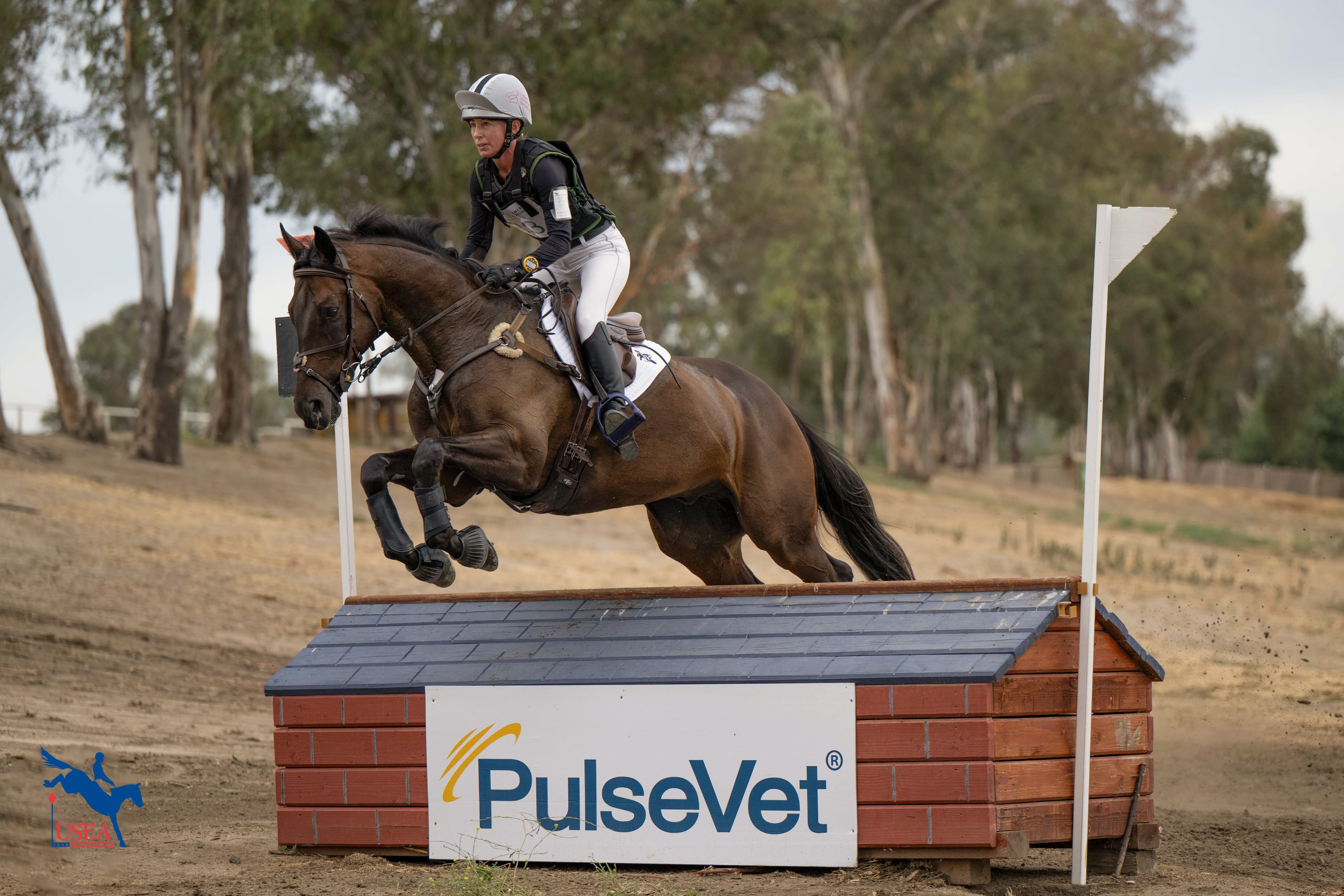
The American Quarter Horse is the ultimate equine athlete. Like all top athletes, they require expert care to overcome injuries and stay at the top of their game. Shock wave therapy is a noninvasive, regenerative treatment commonly utilized to treat a wide range of conditions. These applications have been borne out by over 20 years of clinical research in horses.
Shock wave therapy is a mainstay of treating tendon and ligament injuries. Due to its stimulatory effect on collagen fiber production, it can improve the quality of healing in these structures, which lessens the chances of re-injury. With the ability of shock waves to efficiently penetrate deep tissues, it is an effective treatment for conditions of the axial skeleton such as spinal facet joint arthritis, kissing spines, and sacroiliac pain. Shock wave therapy is also a great addition to the treatment plan for osteoarthritis and wounds.
Recent research has shown that shock wave therapy has a place in the treatment of pulmonary conditions such as exercise induced pulmonary hemorrhage and equine asthma syndrome. Another new application is the use of shock wave therapy to improve sole growth in the equine hoof.
As with many treatment modalities, an accurate diagnosis is important to effectively incorporate shock wave therapy into the treatment plan. A veterinarian who has performed an examination along with any necessary diagnostic imaging is best equipped to perform the shock wave treatment. Alison Roth, DVM, of Athletic Equine Veterinary Services, says “In my opinion, one of the most important aspects of shock wave therapy is that it should be used as part of a complete diagnostic and treatment plan. A proper veterinary diagnosis is essential to determine whether shock wave is appropriate, where it should be applied, and what treatment protocol is most beneficial for that particular horse. It is not simply a matter of putting a machine on an area that hurts.”
Brad Cumper, DVM, of Game Time Sports Medicine and Saginaw Valley Equine Clinic, adds “I think the advantage that the veterinarian has is knowing the anatomy and the specific nuances to the anatomical structure being treated. That is important because if you don’t get the area treated appropriately, it doesn’t matter what device you’re using. PulseVet® is the most clinically effective device on the market when it comes to shock wave therapy, hands down. I shock wave a lot of horses that are previously treated with other machines (piezoelectric specifically) that are non-responsive to treatment and end up healing nicely once we use the PulseVet device.”
More research has been conducted using PulseVet than any other veterinary shock wave device. No other brand has the same level of evidence or acceptance among veterinary sports medicine specialists. PulseVet shock wave is proud to be the official shock wave of the AQHA.
The author, T. J. Barclay, DVM, is a Senior Professional Services Veterinarian at Zomedica.
Related Articles
USEA Office Will Be Closed in Observance of Labor Day
The USEA office will be closed on Monday, September 6, in observance of Labor Day. USEA staff will return emails and phone calls when the office reopens on Tuesday, September 7, or at their earliest convenience.

Through the Lens: 2026 USEA American Eventing Championships presented by Nutrena Feeds
What a week it was at the 2026 USEA American Eventing Championships presented by Nutrena Feeds! The Kentucky Horse Park played host once again, with 27 championship divisions held across six days.
The VAP Series: Cross-Country Starter
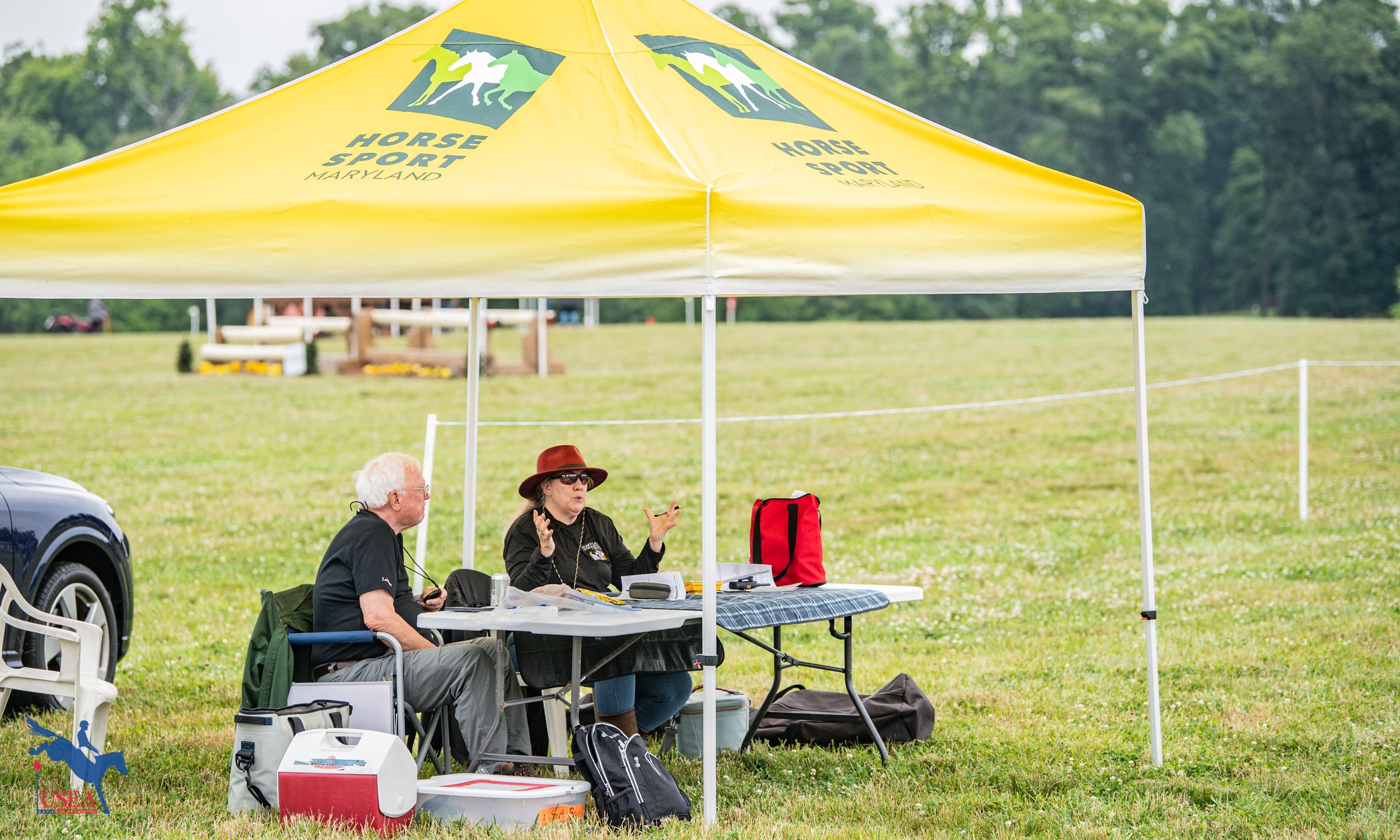
There are few places at an event quite like the cross-country start box. Excitement, nerves, anticipation, and adrenaline all meet in one small space, and the cross-country starter is there to make sure each competitor begins their round accurately, safely, and with confidence.