Shock Wave Therapy for Soft Tissue Injuries in Event Horses: What Horse Owners Should Know
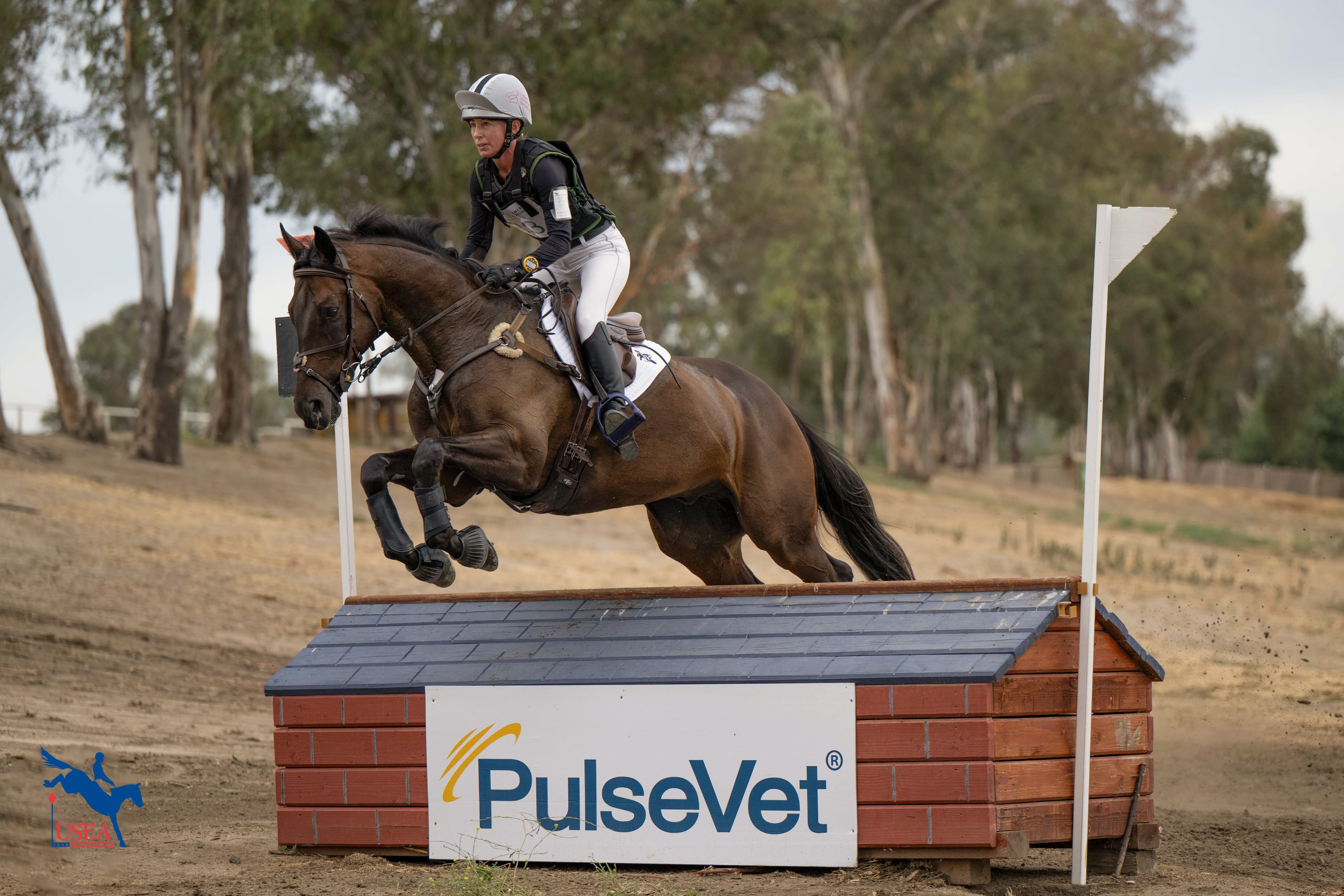
Tendon and ligament injuries are among the most common challenges facing event horses. These structures endure tremendous forces during collection, galloping, jumping, and landing, making strains and tears an unfortunate reality of athletic competition. Over the last three decades, extracorporeal shock wave therapy (ESWT) has become an important tool in veterinary sports medicine, helping veterinarians support tissue repair and rehabilitation without surgery.
From Kidney Stones to Equine Athletes
Shock wave technology was originally developed for human medicine to break apart kidney stones through a process known as lithotripsy. During early use, researchers observed unexpected effects on bone and surrounding tissues, prompting investigation into orthopedic applications. By the mid-1990s, veterinarians began adapting the technology for horses, particularly for suspensory ligament injuries and other causes of lameness in performance horses.
Today, ESWT is widely used throughout equine practice as part of a comprehensive rehabilitation program. While initially valued for its pain-relieving properties, research has increasingly demonstrated that its most important effects may occur at the cellular level.
The Biology Behind Shock Wave Therapy
One of the primary reasons for the widespread adoption of extracorporeal shock wave therapy is that it is a non-invasive treatment option. Unlike surgery, ESWT does not require incisions, implants, or prolonged recovery from a surgical procedure. Treatments are typically performed in an ambulatory setting and allow horses to continue progressing through a veterinarian-directed rehabilitation program. This minimally invasive approach has made shock wave therapy an attractive option for owners seeking effective treatment while minimizing risk and downtime.
Beyond its non-invasive nature, ESWT is increasingly recognized as a regenerative therapy because it stimulates the body's own healing mechanisms. Rather than simply masking pain, shock waves deliver mechanical stimulation that promotes blood vessel formation, growth factor release, cellular activation, and tissue remodeling. These biological effects help create an environment that supports healing and repair within injured tendons and ligaments.
Researchers believe these effects occur through a process called mechanotransduction, in which cells convert mechanical stimulation into biochemical signals that activate fibroblasts, tendon cells, and other repair cells involved in healing. This response is particularly important because tendons and ligaments heal slowly and often produce scar tissue that lacks the strength and elasticity of normal tissue. By influencing collagen remodeling and fiber organization, ESWT encourages healing tissues to develop a more normal tendon or ligament architecture rather than large amounts of disorganized scar tissue. Improved fiber alignment thus results in stronger, more functional tissue and helps reduce the risk of reinjury when horses return to athletic work
Electrohydraulic Shock Wave Technology and the Role of PulseVet® Shock Wave
A common misconception is that all shock wave systems work identically. In reality, significant differences exist between technologies and the way energy is generated and delivered. Among the available technologies, focused electrohydraulic shock wave systems have the longest history of clinical use and remain the most extensively researched in both human and veterinary medicine. Beyond veterinary applications, focused extracorporeal shock wave devices have received FDA clearance for specific musculoskeletal conditions, including chronic plantar fasciitis and tennis elbow, demonstrating a long-established record of safety and clinical effectiveness in orthopedic medicine.
This distinction is important because most of the published evidence supporting shock wave therapy for tendon and ligament healing, collagen remodeling, and regenerative tissue repair has been conducted using focused electrohydraulic technology. One of the most recognized electrohydraulic platforms in equine medicine is PulseVet shock wave, which utilizes the same technology that has accumulated decades of research in both human and veterinary medicine. As a result, electrohydraulic systems remain the benchmark for shock wave therapy. For horse owners, this means that treatment recommendations involving electrohydraulic systems such as the PulseVet device are supported by a substantial body of scientific evidence and clinical experience evaluating their biological and therapeutic effects.
How Research Has Evolved
Early studies focused primarily on improvements in lameness and performance following treatment. While many horses appeared more comfortable, researchers soon realized that pain relief was only part of the story.
Current research is increasingly centered on understanding how shock waves influence inflammation, tissue remodeling, blood supply, and growth factor activity. Investigators are also examining how ESWT may complement regenerative therapies such as platelet-rich plasma (PRP), potentially creating a more favorable healing environment than either treatment alone.
The modern view of ESWT has therefore shifted from a therapy that simply makes horses feel better to one that actively supports the biological processes involved in tissue repair.
Take-Home Message
Shock wave therapy has evolved from a technology originally developed to treat human kidney stones into one of the most valuable non-invasive, regenerative therapies available in equine sports medicine. Its benefits extend beyond temporary pain relief to include improved blood flow, stimulation of growth factors, enhanced collagen organization, and support of tissue remodeling. These biological effects make it an important tool for veterinarians seeking to optimize healing and improve tissue quality following tendon and ligament injury.
Perhaps most importantly, horse owners should recognize that not all shock wave technologies are the same. Electrohydraulic systems, which includes the PulseVet device, have accumulated the deepest body of scientific evidence, clinical experience, and regulatory history, including FDA-cleared applications in human orthopedics. As research continues to advance, electrohydraulic shock wave therapy remains one of the most thoroughly studied and biologically active regenerative treatment modalities capable of helping horses return to athletic function with healthier, more resilient tissue.
Shockwave Therapy and Competition Horses
Extracorporeal shockwave therapy has recognized analgesic effects. Because of this, USEA rules require that shock wave be administered only by a licensed veterinarian and be used responsibly in horses intended for competition.
Under USEF General Rules, shockwave therapy is subject to mandatory withdrawal periods:
- Shockwave is prohibited within three (3) days of competition
- Exception: Shockwave may be administered to the back or dorsal pelvic region by a licensed veterinarian no closer than 12 hours prior to competition
Riders are responsible for understanding that shockwave can temporarily mask pain and must ensure that treatment timing complies with USEF rules and supports horse welfare.
Related Articles

HSH Moves Like Jagger Takes Center Stage in USEA YEH East Coast 5-Year-Old Championship
It was a weekend to remember for Caroline Pamukcu at the 2026 Dutta Corp. USEA Young Event Horse (YEH) East Coast Championships at Fair Hill, as she followed up Friday's victory in the 4-year-old division with another championship title on Saturday, this time aboard HSH Moves Like Jagger. The 5-y...
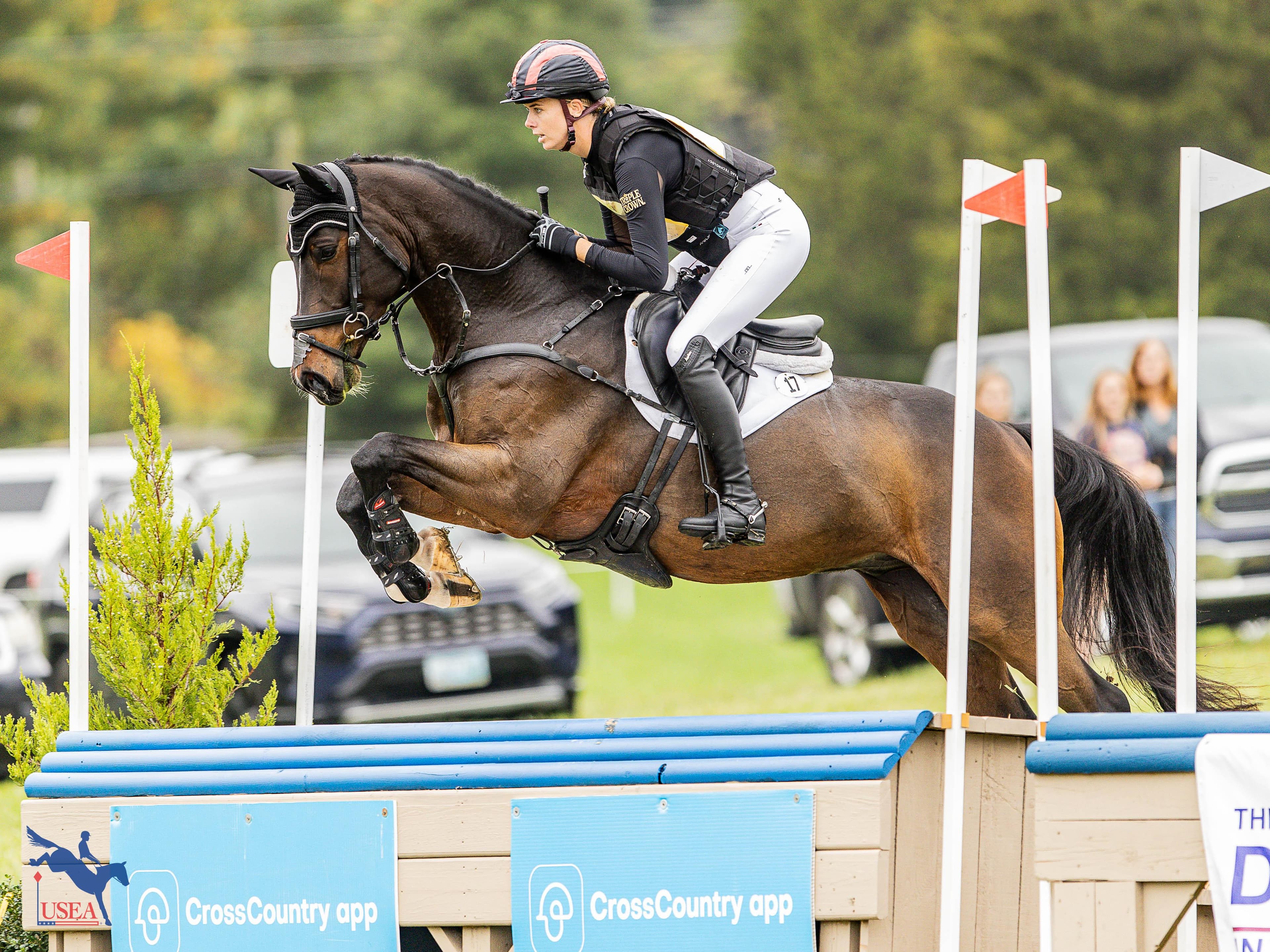
HSH Straight Arrow Hits the Mark in 2026 USEA Young Event Horse East Coast 4-Year-Old Championship
Caroline Pamukcu added another USEA Young Event Horse (YEH) Championship title to her résumé today at Fair Hill, piloting HSH Straight Arrow to victory in the 2026 USEA YEH East Coast 4-Year-Old Championship. The 4-year-old Irish Sport Horse gelding, owned by Pamukcu and Sherrie Martin and bred b...

A Plea From Your Friendly Social Media Manager: Please Stop Using AI on Your Sale Horse Photos
I get it. You want to sell your horse. You have a photo from a show photographer, but it's not quite what you envisioned. The horse looks fine, but not great. The background is the schooling ring. The lighting is flat. And there's this tool that can fix all of it in seconds.