Ride Between the Flags with Valerie Vizcarrondo: A Training Level Bank Complex
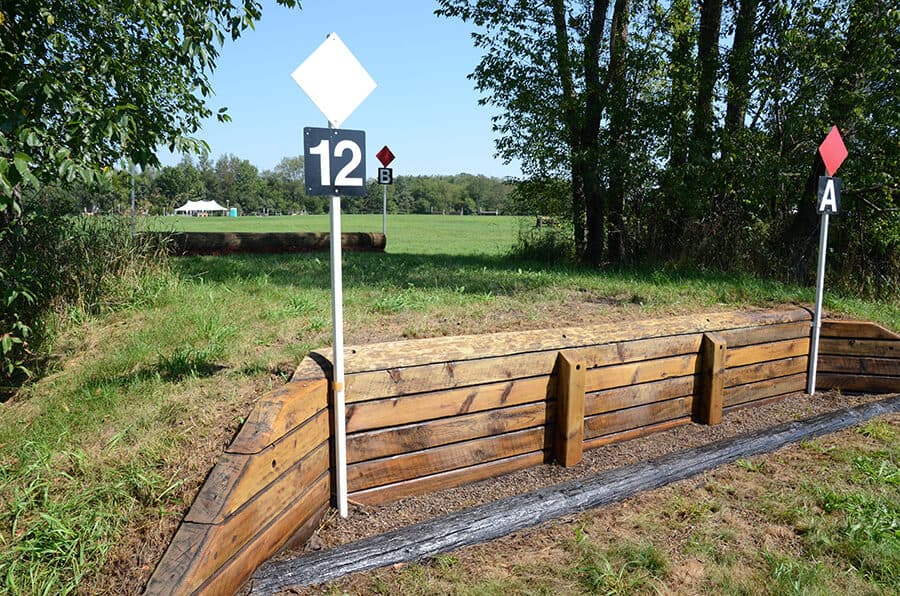
This question tests the bravery of your horse and his ability to think on his feet. What goes up must come down! So the rider is going to go through a series of positions, as in one stride you're on and off of a respectable sized bank.
I believe this is a combination on the training at Richland. That piece of property is known to be a lovely galloping track. More significant sized fences and questions always seem more inviting when you're on a course that has the space (or a great designer!) to allow the horse and rider to get into a forward steady rhythm and really cover some ground rather than have to wind back and forth amongst more limited terrain.
At fence 12 on this type of course, you will be well into your 3rd minute if not further along and will have had at least one other combination prior to this. It is important if you are seeing this in a schooling situation, that you have given yourself ample warm up and galloping and you are comfortable taking a few larger fences out of stride. In the fences prior to this, make sure you have made straightness a priority - you want to anticipate a shuffle at the drop down and you don't want your horse to be in a habit of drifting while shuffling!
When I have tackled this obstacle (yes I'm from Maryland and make the annual pilgrimage to Richland each summer!), there's been a pretty good sized galloping fence prior to make sure you are riding positively and your horse is forward thinking. You then turn and square up to the combination - will get more into this - but that turn is doing all of the hard work for you. Because at most times of day this also has a lighting issue (light into dark and spooky shadows), you need to make sure you are straight enough long enough on the approach for your horse's eyes to adjust and for him to process the entire combination before you start riding super forward to it. A horse doesn't like to be chased forward to something he doesn't understand and he will stop or run out faster if you take this approach!
If he does stop, give him a moment to look into the shadows before getting after him with the stick and circle in a way to give him as much time as possible to see it on the second attempt. However, for a game horse, the closer you wait to make your square turn, the turn will do all of the hard work for you having your horse sit down behind. You won't feel that you are fighting to balance him from his gallop and risk riding backwards to the combination because you aren't in proper balance. You want to know that your horse is balanced and could carry himself for a moment in a stronger than show jumping canter as you come out of the turn. The point of the square turn is to make sure you have finished your turn. You need your horses shoulders - both of them! - square or perpendicular to the face of the bank. You want to make his job easy, and if his shoulders are square he's going to easily be able to rock back and power off of his hind end evenly to jump up the bank well, no matter if you've gotten there a little long or a little short.
After this well-executed square turn, your horse's ears should be pricked and looking at the combination. You will have already looked to line up both sets of flags before you commit to your turn, and then once you're straight and riding forward, keep your eye on the top part of the bank up. Thank the course designer and builder for the faux ditch in front! Even though it gives you the feeling that the effort is bigger and therefore more difficult, what it has done in reality is given your horse a lovely ground line. You can ride quite forward to this from 6 strides out and even a horse that isn't super quick up front should have plenty of time to get his knees up and then his landing gear down. Don't protect him, support him with your reins and legs and feel like you will attack the top of the bank. Once your horse's head is covering up the bank, pick up your eye to the B element and force yourself to focus straight ahead.
You want to make sure that you've gone with him up the bank, but not ahead of him. As he's landing off of the bank, find your bum tagging that saddle and staying there! Absolutely close your leg as the horse is landing so you are encouraging his stride on top - don't wait for him to start back pedaling before you decide to add your leg! With a good shot up the bank, you should have momentum on your side. Your leg there will send him forward and straight and hopefully right to the base of the drop off. That one stride will happen quickly - keep your hands down and be prepared to open your fingers on the reins so your horse can have the freedom to use his neck without pulling you forward with him once on top.
Since this is an AB you must proceed directly to B; but in this case a run out would be very difficult (and naughty!) so plan on your horse stopping rather than trying to do a fly by. Again, that big log on top of B could look intimidating on your first course walk; but your horse is thankful that he has a clearly defined ground line, and as a rider it feels good to ride right into that log. Keep your shoulders behind your hips and well behind your horses' withers even if you think he's going to take a massive leap from the top! Because he might think about it, then think the better of it and add that shuffle step. The closer he gets to the log to drop off, the softer a landing it will be, so remain calm if he tip toes right up to the edge. But the rider must also be disciplined and still add leg at the moment of take off to ensure the horse takes a clean drop down, not just wait there hoping he decides to do it on his own. Once you've closed your leg and supported his take off, find your heels down and supporting the weight of your body as you land. He may need a stride or so to sort out his feet, keep riding like there is a skinny waiting two strides straight in front of you. Keep your hands down, balance on your stirrup pads with toes up heels down, and keep your shoulders going with him, but again not ahead of him, so if he needs a spare second to catch his balance, you aren't throwing both of you ahead.
If your horse doesn't first understand the question of dropping down, you are unfortunately a bit limited in your real estate! Most likely he's made too big of an effort up the bank and wasn't prepared to drop back down, and just surprised himself a bit up there. After he's had a moment to see what's there he may hop off quite willingly. Be careful if he starts dancing, 3 different steps back can happen like a cha cha cha and that's the end of your weekend. Trot back to the edge of the bank up, represent and coax him off at steady trot. But if you ride like we've discussed, you won't find yourself in that jam in the first place. Prevention certainly is the best way to go here!
You want to walk your course and know you're tuned up to tackle questions like this. In your schooling sessions at home, make sure you are disciplined with yourself about making square turns to oxers and know your horses shoulders are square to the take off. Be able to do this off of short turns. Also make sure you're practicing triples and grids at home - know how to quickly line up all three elements then get your eye back on the top of A. Once your horses ears look like they touch the top rail, move your eye to B. Then repeat for however many obstacles are in your schooling combination. You want this to be an instinct that you're not having to coach yourself through out on course. You should be able to add your leg appropriately between each element of a grid.
When out cross country schooling, you would want to practice drops and banks separately as well as a ditch to make sure your horse is comfortable with his footwork and is confident about the technical cross country questions. As a rider, you want to make sure your position is in the right place for each of the separate elements so that you can flow from one element to the next when they're one stride apart. Then put them all together by tackling this combination. Remember, we do this for fun! Praise your horse for a job well done and enjoy galloping on to your next set of flags!
Valerie Vizcarrondo is an Advanced level eventer and 'r' eventing judge. She runs her training, teaching, and sales business, Blue Clover Eventing, out of Sudley Farm in West River, MD. She competes essentially every weekend up and down the east coast and brings with her numerous horses and students at all levels. When not competing at an event one weekend, you can usually find her judging one!
Related Articles
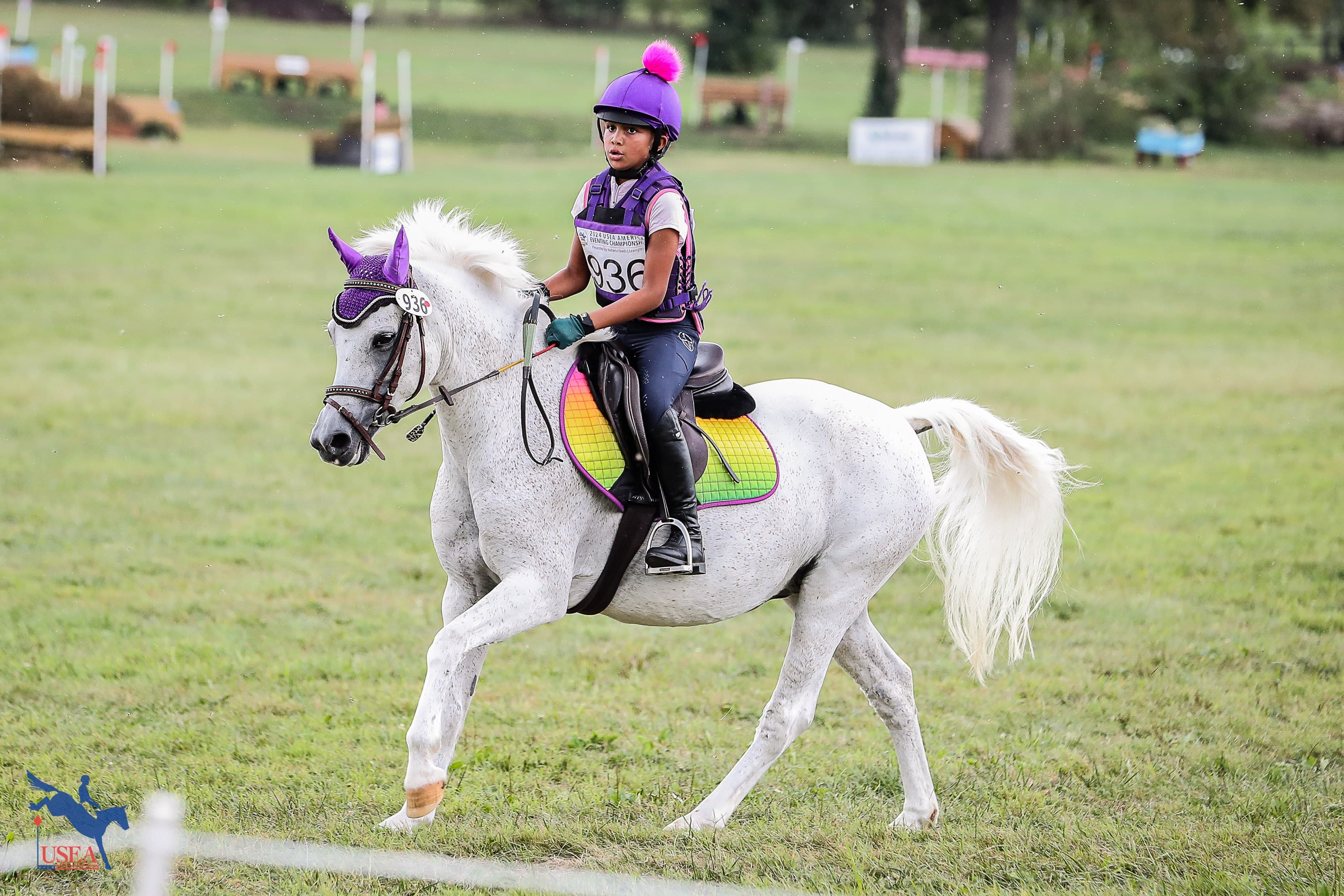
USEA Board Approves New Intro Level
Growing the sport of eventing in the United States remains a central goal of the United States Eventing Association (USEA) and its Membership Committee. Through feedback from members, coaches, and prospective participants, a common theme emerged: while interest in the sport is strong, the cross-c...
USEA Podcast #412: The Stories that Defined Kentucky
Fresh off of the heels of a U.S. win at the Defender Kentucky Three-Day Event, the crew sits down to recap the weekend in the bluegrass and all the pairs that impressed during the CCI4*-S and CCI5*-L competitions. From well-deserved wins, to horses who won our hearts, to a moment that USEA CEO Ro...
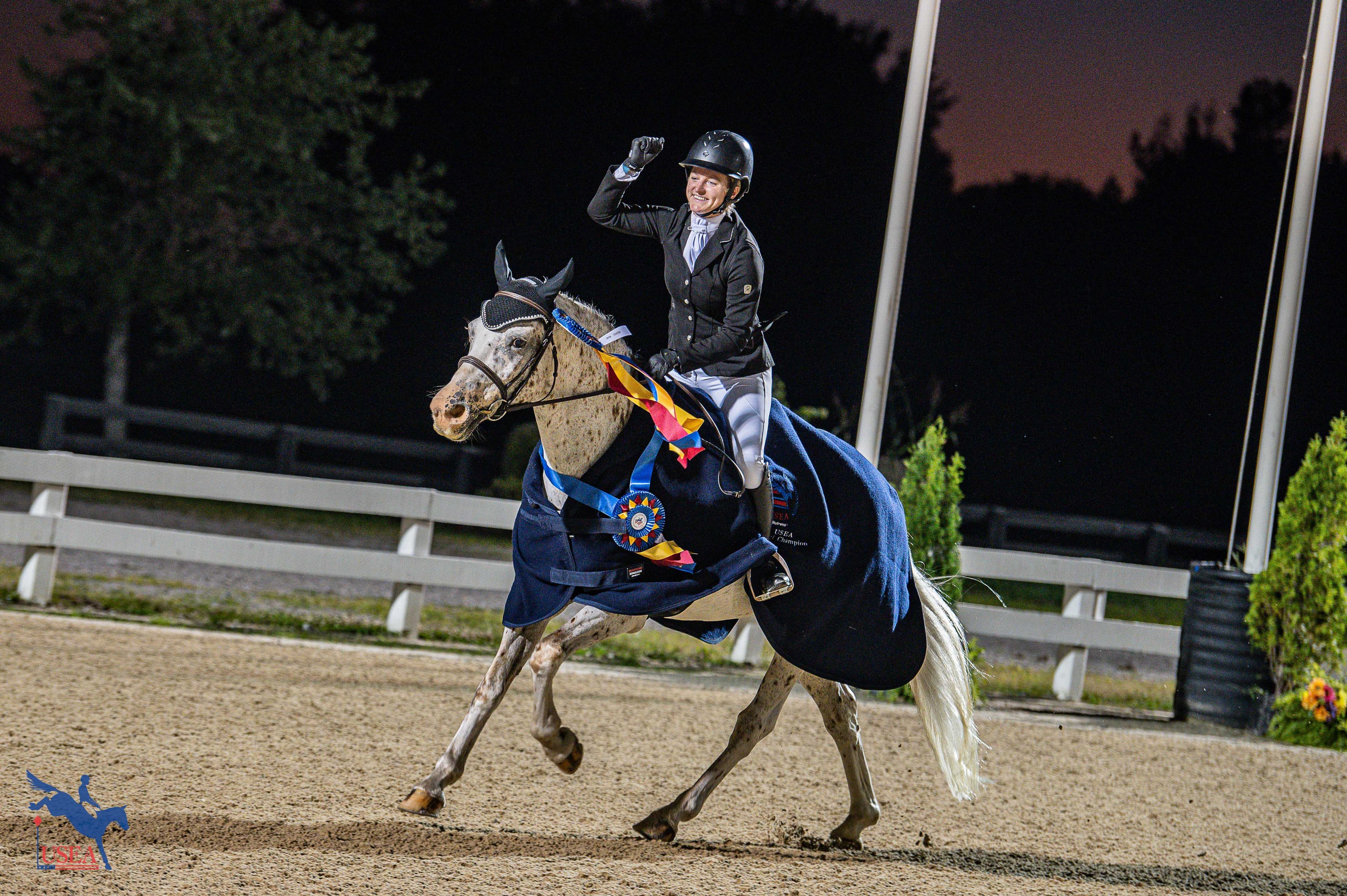
The Countdown to the 2026 USEA American Eventing Championships presented by Nutrena Feeds is On!
The 2026 United States Eventing Association (USEA) American Eventing Championships (AEC) presented by Nutrena Feeds is headed back to the Kentucky H...