Kissing Spines in Event Horses: Why PulseVet® Shock Wave Therapy Has Become a Key Component of Multimodal Management
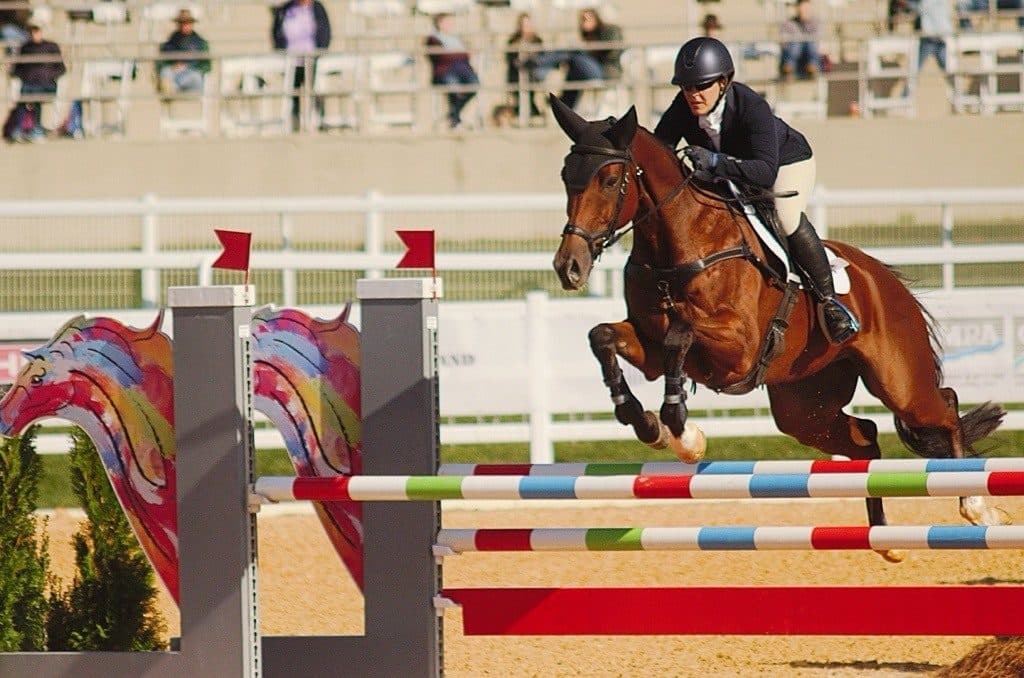
For event horses, success depends on the seamless integration of power, athleticism, and suppleness. Dressage demands engagement of the topline and hindquarters, cross-country requires strength and endurance, and show jumping challenges a horse's ability to flex, bascule, and push from behind. At the center of all three phases lies one critical structure: the back.
When back pain develops, performance often suffers long before overt lameness becomes evident. Among the most common causes of thoracolumbar pain in sport horses is overriding dorsal spinous processes (ORDSP), commonly known as kissing spines. While once considered a career-ending diagnosis, advances in diagnosis, rehabilitation, and therapeutic technologies have dramatically improved outcomes. One treatment modality in particular, PulseVet extracorporeal shock wave therapy (ESWT), continues to be a valuable tool for veterinarians managing these cases.
Today, many successful event horses with kissing spines remain in work and continue competing at high levels through a comprehensive, multimodal approach that places ESWT at the center of an effective rehabilitation strategy.
Understanding Kissing Spines in the Event Horse
Kissing spines occurs when adjacent dorsal spinous processes become abnormally close, resulting in bone-to-bone contact, inflammation, remodeling, and pain. These changes most commonly occur beneath the saddle area, typically between T13 and T18.
For event riders, clinical signs often emerge gradually and may initially be attributed to training, behavior, or fitness issues. Common signs include resistance during saddling or girthing, difficulty maintaining collection, reluctance to engage through the topline, hollowing during transitions, tail swishing and ear pinning, reduced scope over fences, refusals or loss of confidence cross-country, bucking or kicking out during work, and inconsistent performance between phases.
The challenge is that kissing spines are rarely just a skeletal problem. Chronic discomfort leads to secondary muscle tension, altered biomechanics, and movement compensation patterns that can persist even after the primary source of pain is addressed. This is why the most successful treatment plans focus not only on the bony abnormalities themselves but also on restoring normal function throughout the horse's entire musculoskeletal system.
Why Multimodal Management Matters
Veterinarians increasingly recognize that kissing spines should be treated as a functional disorder rather than simply a radiographic diagnosis. As such, a comprehensive treatment plan typically includes pain management, PulseVet® shock wave therapy, targeted rehabilitation exercises, core strengthening programs, saddle fit evaluation, rider biomechanics assessment, physical and manual therapies, and long-term conditioning and monitoring
Within this framework, ESWT serves as a powerful bridge between pain management and rehabilitation, allowing horses to move more comfortably and participate more effectively in therapeutic exercise programs.
The Science Behind PulseVet Shock Wave Therapy
PulseVet extracorporeal shock wave therapy uses high-energy acoustic waves that penetrate targeted tissues. ESWT is widely used in equine sports medicine because it addresses both pain and tissue dysfunction without invasive procedures. The efficacy of PulseVet is supported by more than two decades of clinical research.
One of the most important advantages of ESWT is its ability to reduce pain perception. Many horses with kissing spines develop a chronic pain cycle involving muscle guarding, stiffness, and compensatory movement patterns. By helping disrupt these pain pathways, PulseVet shock wave therapy often allows horses to work more comfortably and engage their backs more effectively.
For event horses, this can translate into improved acceptance of contact, better engagement from behind, increased willingness to work through the topline, and improved relaxation during training
Additionally, ESWT stimulates local circulation and vascular activity within treated tissues, supporting tissue metabolism and helping relieve the chronic muscular tension commonly associated with thoracolumbar discomfort. This can be especially beneficial in horses with long-standing compensatory muscle tightness. PulseVet ESWT is uniquely capable of delivering energy to deep structures and large tissue volumes, making it particularly effective for targeting affected tissues associated with kissing spines.
While no treatment can replace proper conditioning and strengthening exercises, horses experiencing significant back pain often struggle to perform the exercises needed to improve spinal stability and shock wave can help mitigate that discomfort by creating a window of improved comfort that enables horses to stretch more effectively, build topline musculature, perform pole work correctly, develop stronger core stability, and re-establish proper movement patterns.
Why Shock Wave Therapy Is Particularly Relevant to Eventers
Unlike many equestrian disciplines, eventing places exceptionally diverse demands on the back. In dressage, the horse must lift through the thoracic sling and engage the core while maintaining collection and impulsion. During cross-country, the spine absorbs substantial forces generated from galloping, terrain variation, and jumping efforts. In show jumping, the horse repeatedly flexes and extends through the thoracolumbar region while producing maximum power and precision. Because of these demands, even mild back discomfort can have a profound impact on overall performance.
PulseVet® shock wave therapy offers several advantages in treating and managing kissing spines that appeal to event horse owners and veterinarians:
- Non-invasive, regenerative treatment
- No surgical recovery period
- Can be integrated with existing rehabilitation plans
- Can improve comfort relatively quickly
- Useful in both acute and chronic cases
- Can be incorporated into long-term maintenance programs
The Future of Kissing Spine Management
Modern equine sports medicine increasingly emphasizes function rather than simply treating radiographic abnormalities. As a result, therapies that facilitate movement, promote comfort, and support rehabilitation are becoming increasingly important. PulseVet shock wave therapy aligns perfectly with this philosophy.
Rather than simply masking symptoms, it helps create an environment in which horses can participate more successfully in the strengthening and conditioning necessary for long-term recovery. For many event horses diagnosed with kissing spines, ESWT has become one of the most valuable tools available to the veterinary team.
Successful management of kissing spines requires a comprehensive approach that addresses the whole horse. While rehabilitation, saddle fit, rider influence, and medical management all play important roles, PulseVet shock wave therapy remains a cornerstone of modern multimodal treatment programs. By reducing pain, improving tissue function, and supporting rehabilitation, ESWT helps horses with kissing spines regain comfort, build topline strength, and return to performance
Shock wave therapy is not simply another treatment option - it is a key component in helping horses with kissing spines return to comfortable, confident, and successful athletic performance.
USEA RIDER REMINDER
Shock wave Therapy and Competition Horses
Extracorporeal shock wave therapy has recognized analgesic effects. Because of this, USEA rules require that shock wave be administered only by a licensed veterinarian and used responsibly in horses intended for competition.
Under USEF General Rules, shock wave therapy is subject to mandatory withdrawal periods:
- Shock wave is prohibited within three (3) days of competition
- Exception: Shock wave may be administered to the back or dorsal pelvic region by a licensed veterinarian no closer than twelve (12) hours prior to competition
Riders are responsible for understanding that shock wave can temporarily mask pain and must ensure treatment timing complies with USEF rules and supports horse welfare.
©2026 Zomedica Inc. All rights reserved. PulseVet is a registered trademark of Zomedica Inc.
About Dr. Kimberly Keeton
Dr. Keeton is an equine veterinarian with more than 20 years of experience. As graduate of the University of Georgia College of Veterinary Medicine and Otterbein College (magna cum laude, B.S. in Equine Pre-Veterinary Science), she combines traditional veterinary medicine with integrative therapies to support long-term equine health and performance.
Certified in veterinary acupuncture and equine spinal manipulation, Dr. Keeton serves as both Founder of Coyote Creek Equine Veterinary Services and Professional Services Veterinarian for Zomedica. Her clinical focus includes lameness and performance medicine, regenerative therapies, shockwave, laser therapy, acupuncture, and chiropractic care.
An accomplished equestrian, Dr. Keeton has competed in eventing through the Advanced level and dressage through Grand Prix, earning her USDF Bronze, Silver, and Gold medals.
Related Articles
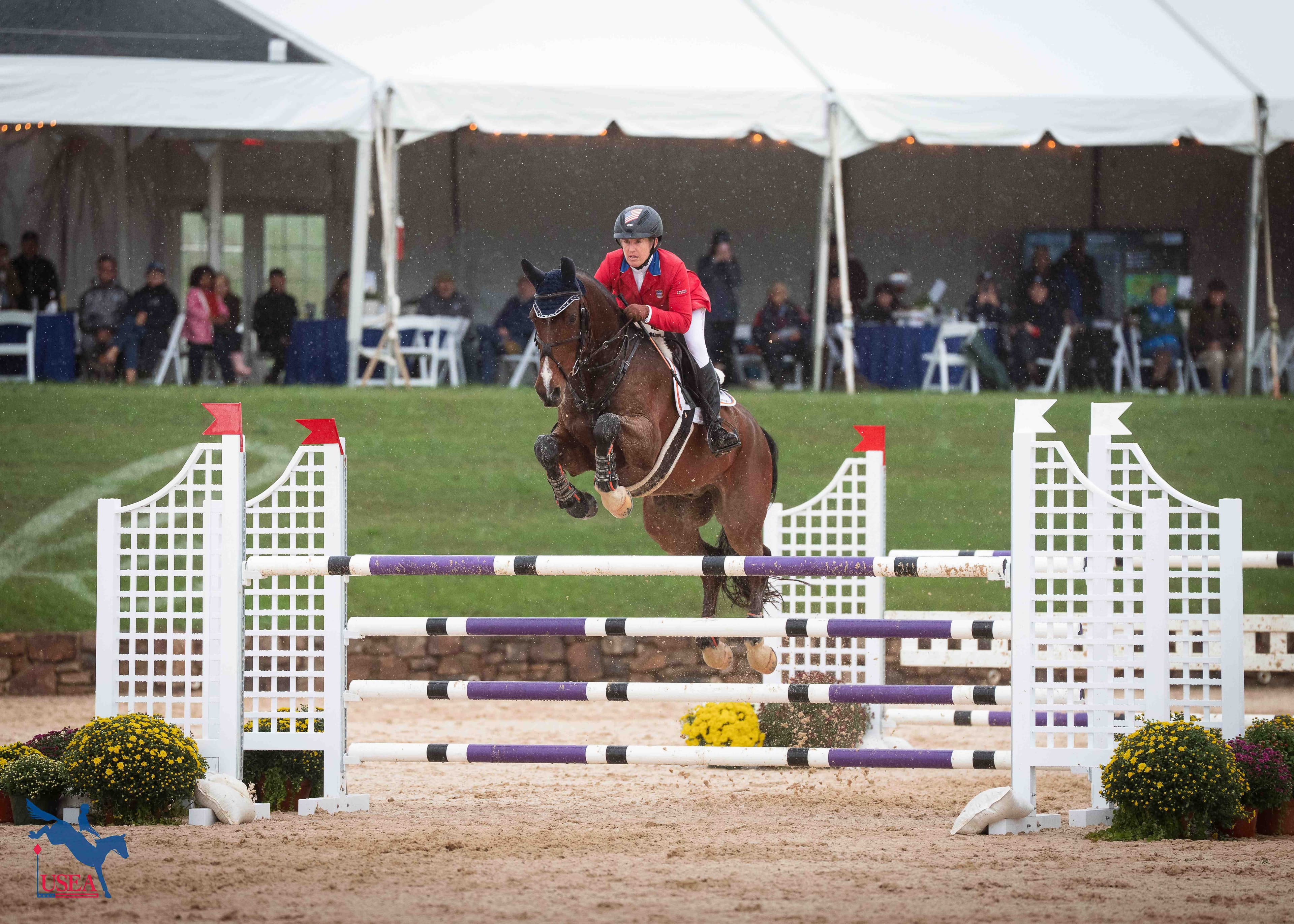
Sharon White and Claus 63 Capture the Win in the US Equestrian Open Final CCI4*-L, White Becomes First Woman to Win the Title
The second edition of the $200,000 US Equestrian Open Eventing Final concluded at Morven Park International Equestrian Center with Sharon White (Summit Point, W.V.) and Claus 63 delivering a standout performance in the final jumping phase to capture the win. It was a historic result as White beca...
The Dutta Corporation Continues Support of USEA Young Event Horse Program in 2026
The United States Eventing Association (USEA) is pleased to welcome back The Dutta Corporation as a valued supporter of the USEA Young Event Horse (YEH) Program and the 2026 USEA Young Event Horse Championships. The Dutta Corporation will return...
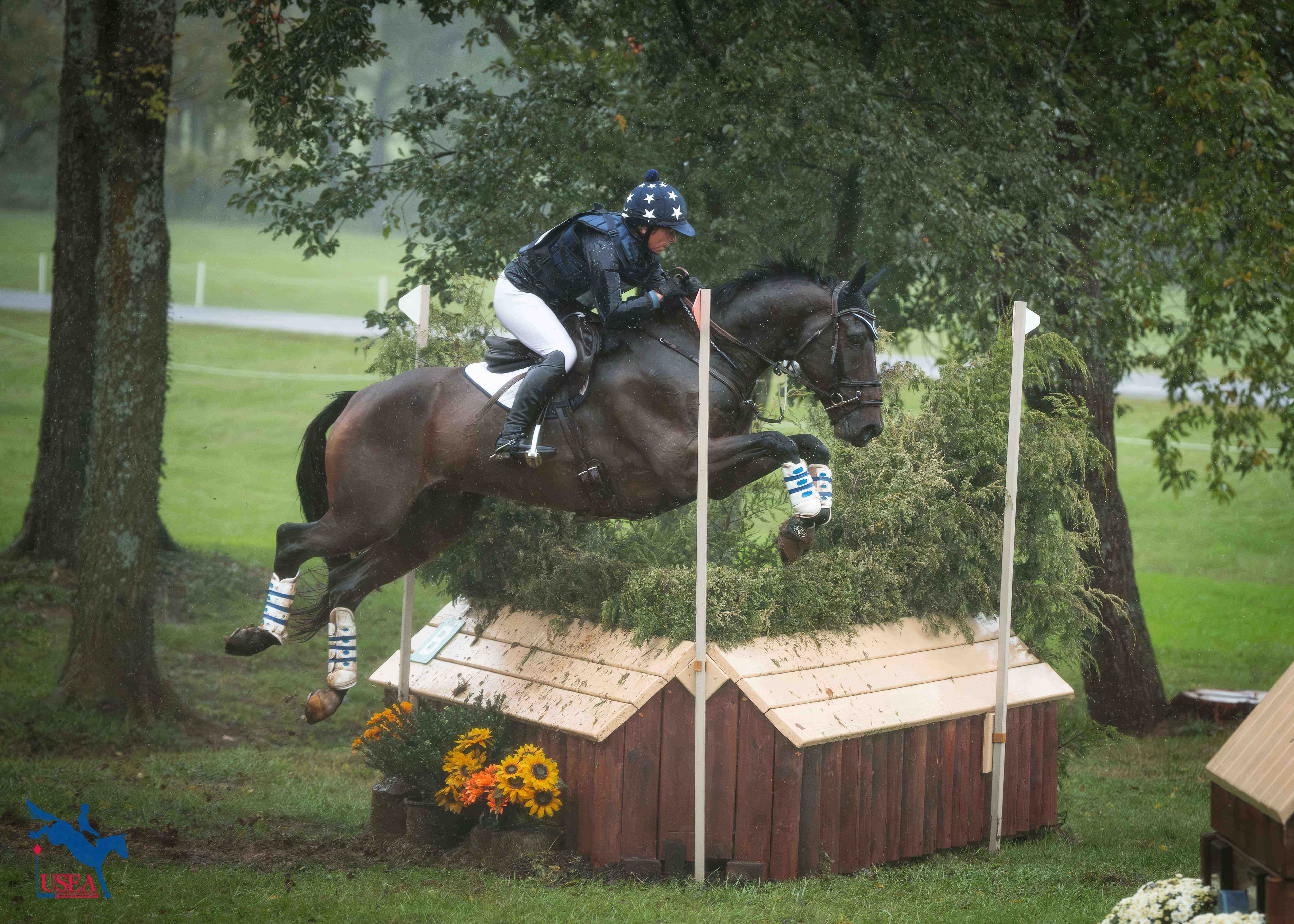
A First FEI Win for MHE Excel Star Noble Ikon and Morgan Houberg in USEA/USEF 6-Year-Old Developing Horse National Championship
Heavy rain overnight and into the morning turned the final day of the 2026 USEA/USEF Developing Horse Eventing National Championships into a true test of the young horses' confidence, athleticism, and determination at Morven Park International. When the final scores were tallied in the CCI2*YH-S ...