‘Don’t Be Average’ on Day 3 of EA21 National Camp
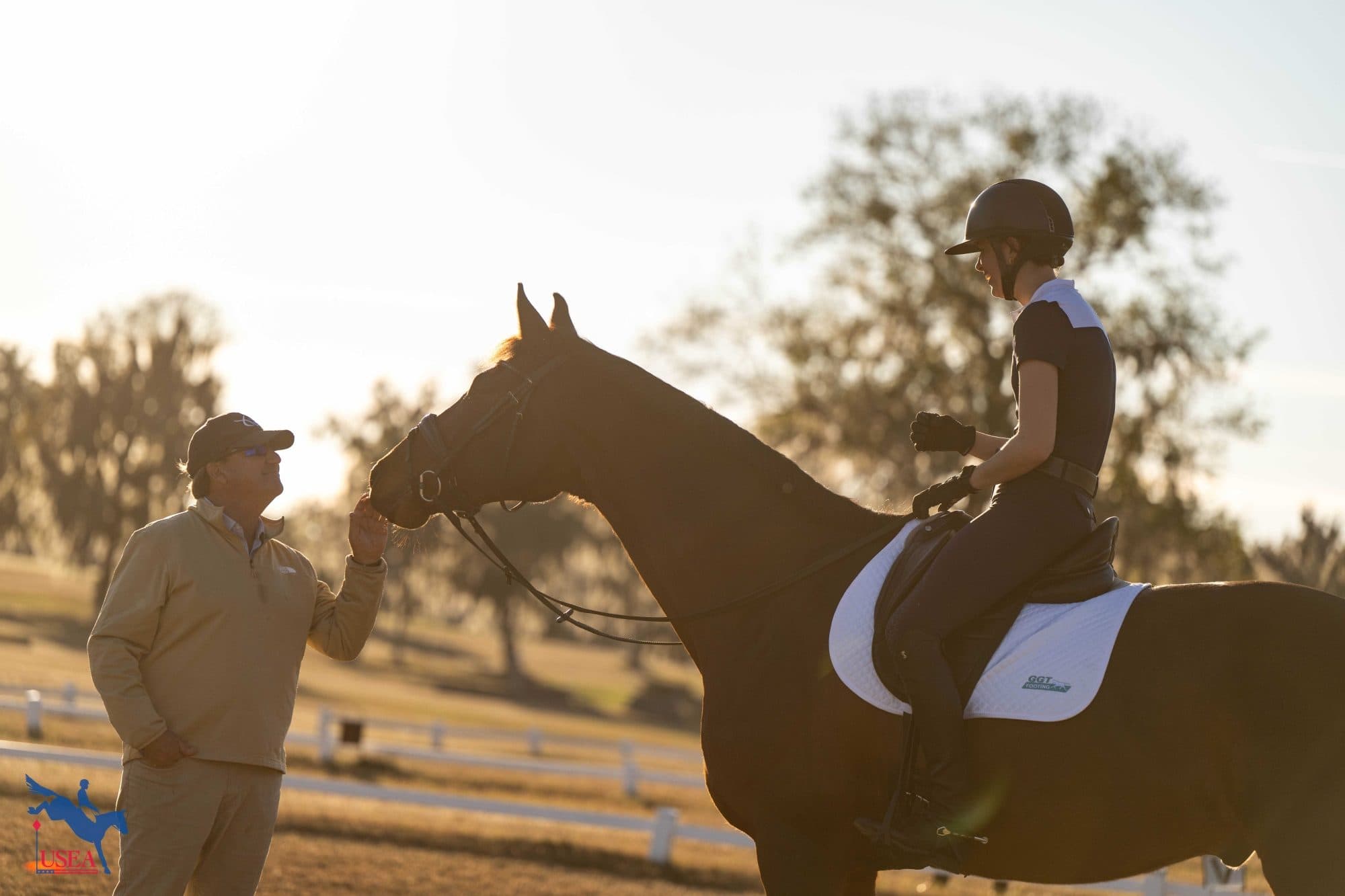
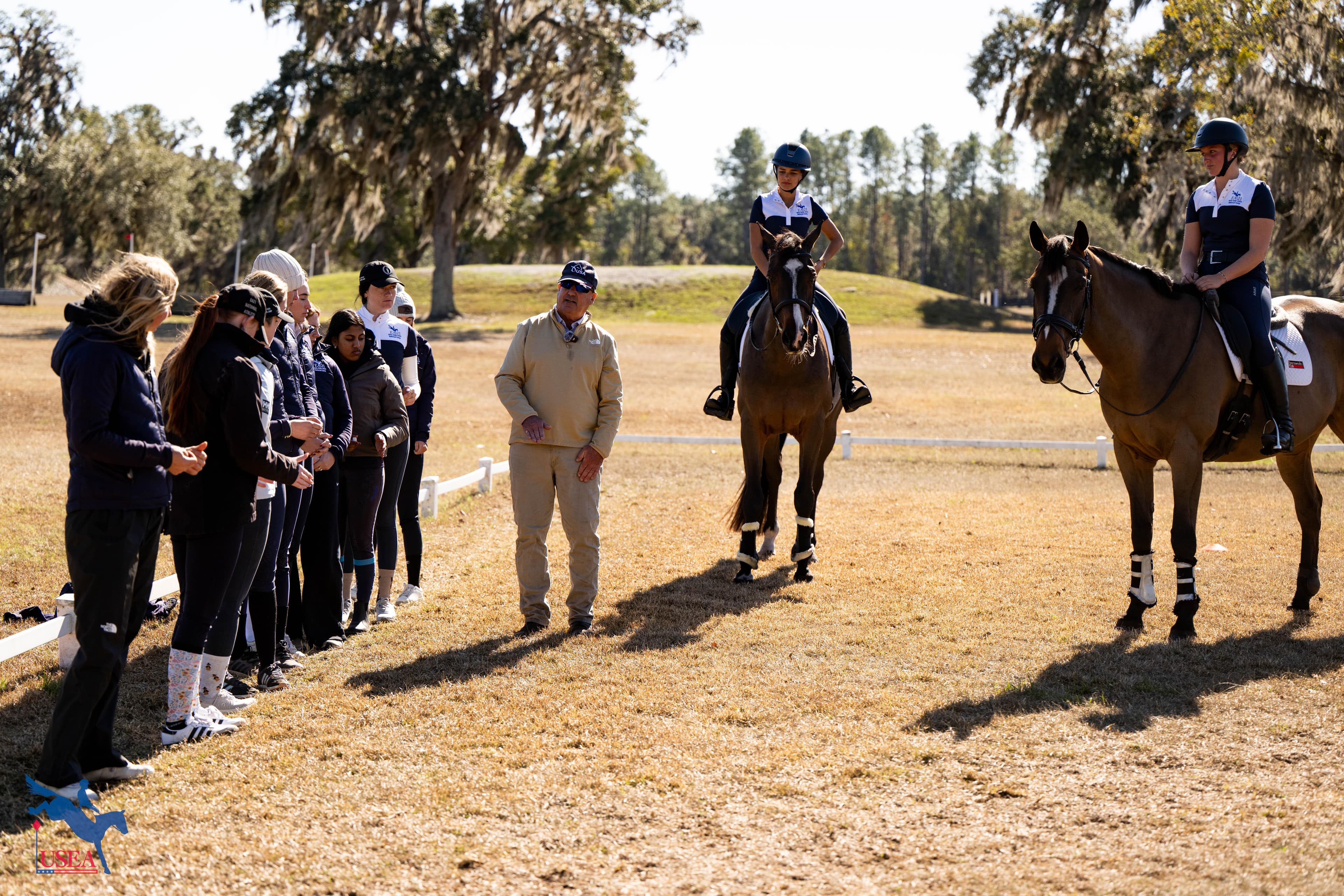
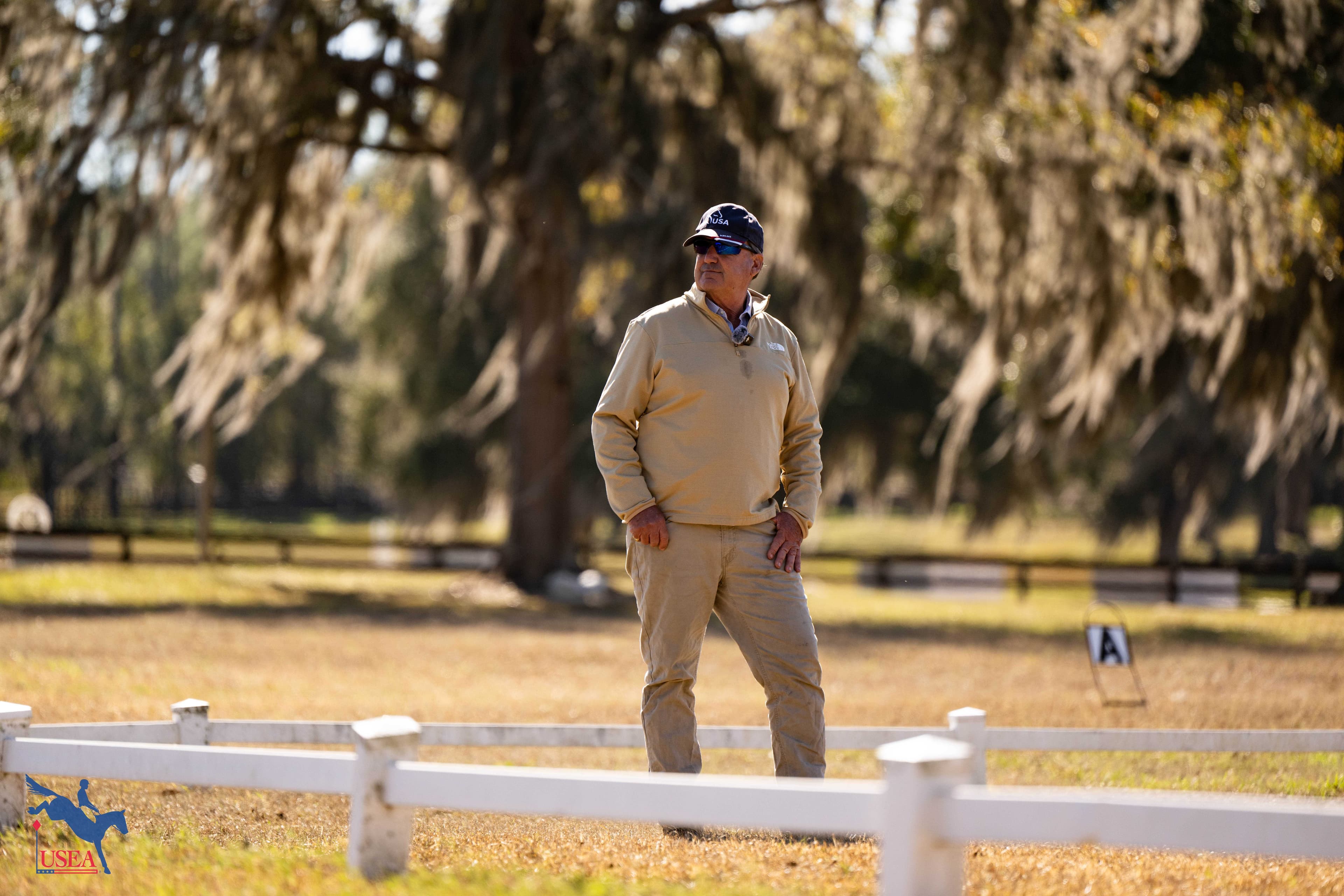
Ocala, Fla.—Jan 1—The motto of day 3 of the USEA Emerging Athletes Under 21 (EA21) National Camp was simple. “You can be bad or you can be great,” EA21 Director of Coaching David O’Connor told participants. “Make mistakes; we can fix that. Do well, and we’ll be happy. But whatever you do, don’t be average.”
With defined terms and an engaged imagination, it was time to try new things. But before they could hit the dressage boards for a second time, reality knocked on the door.
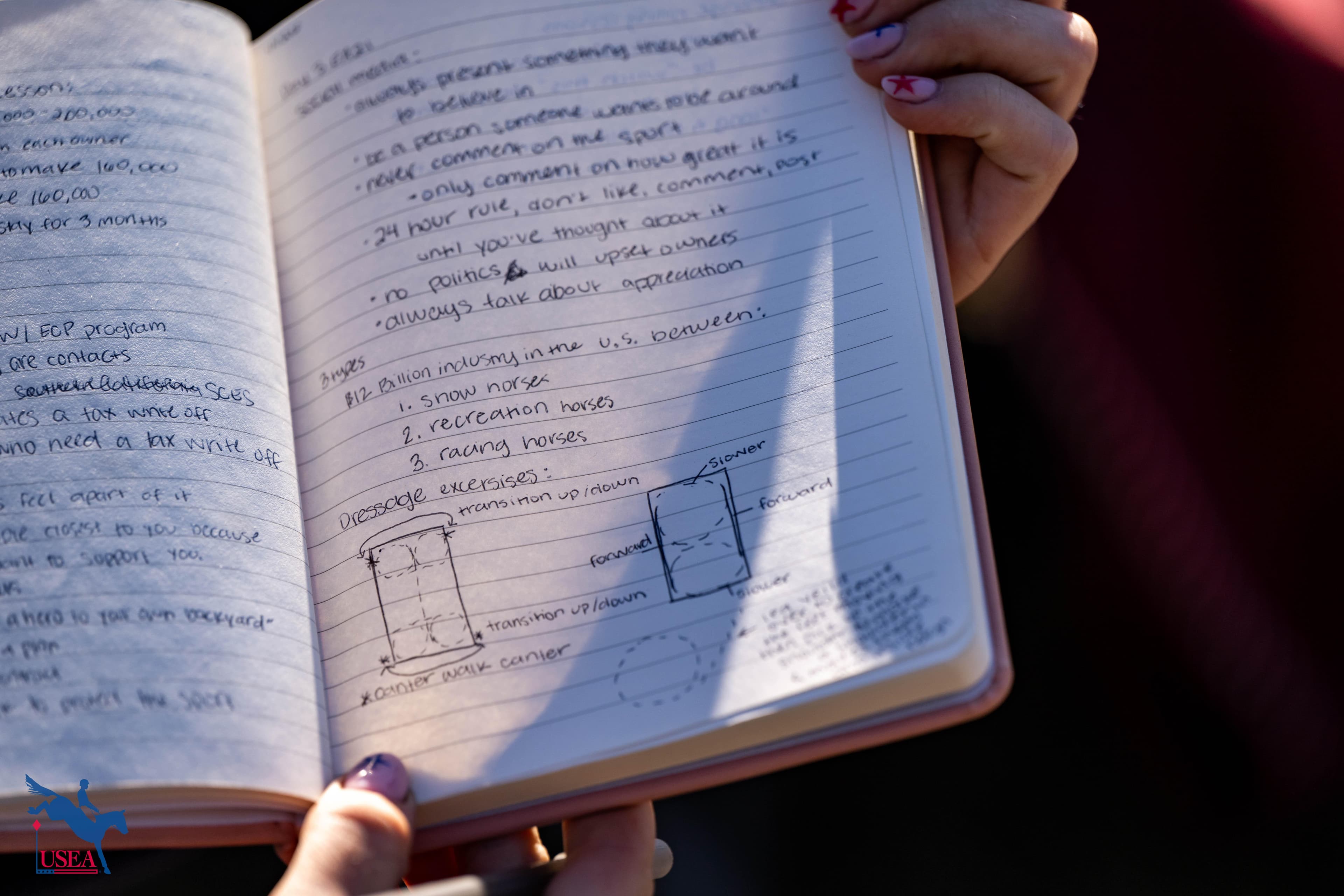
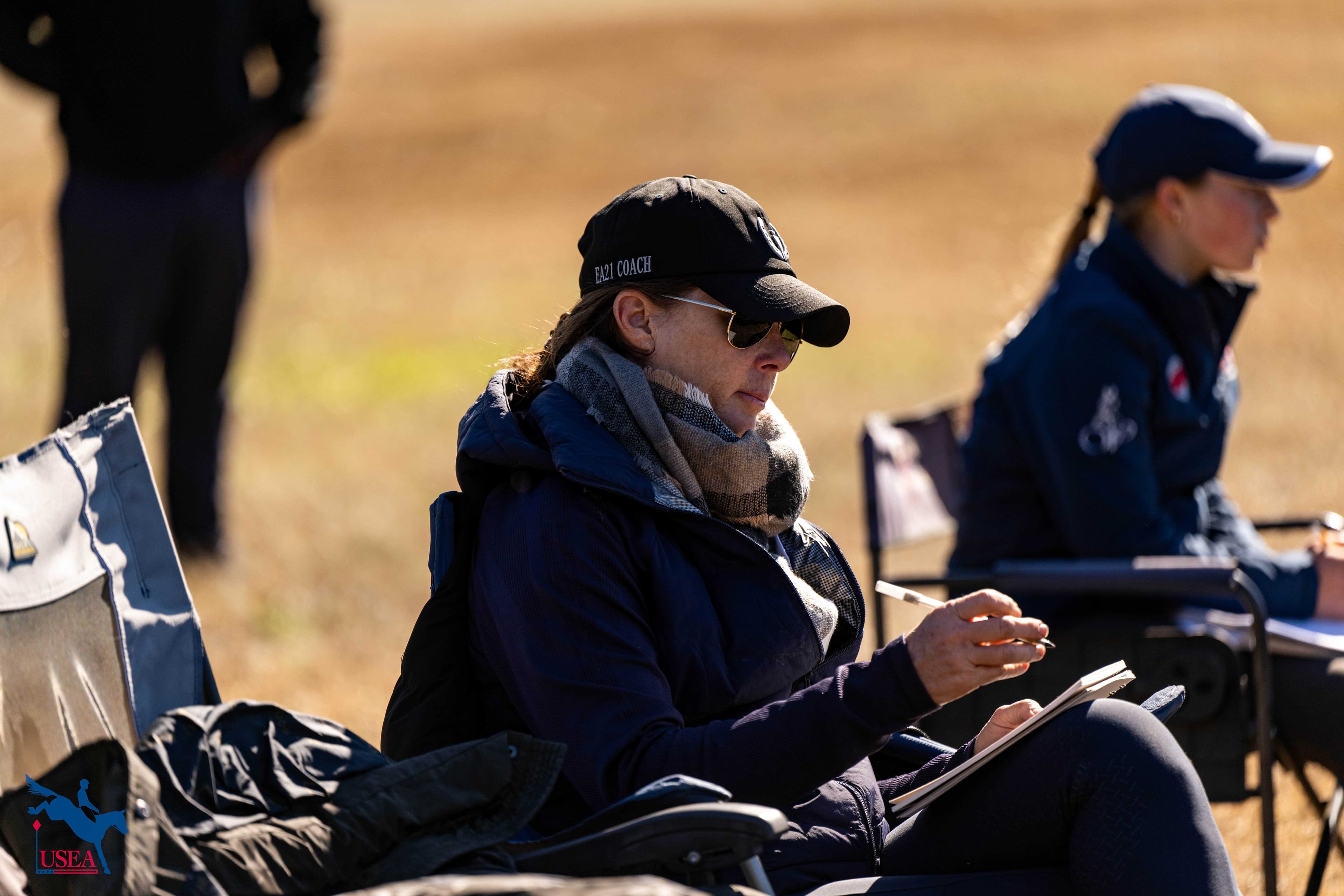
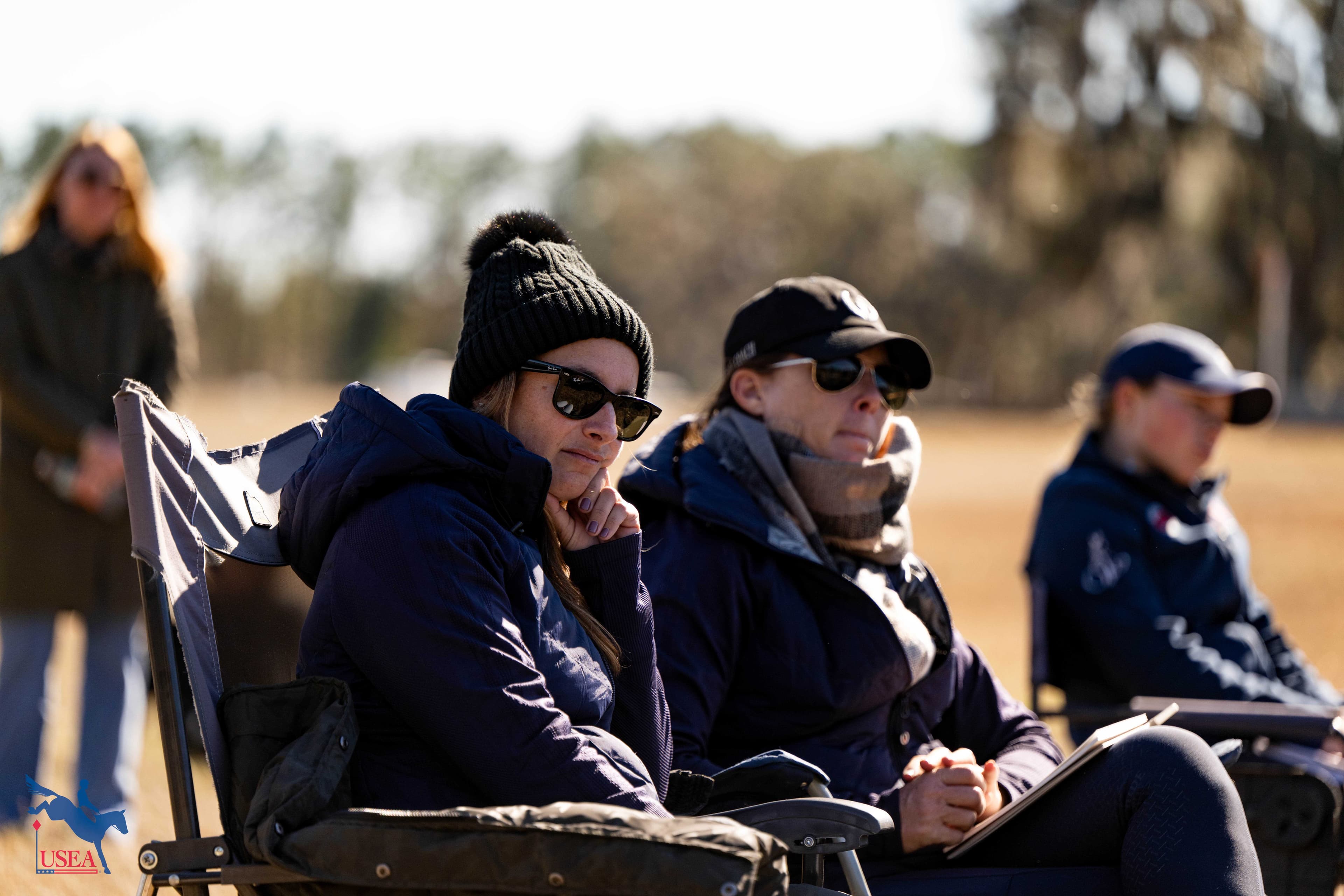
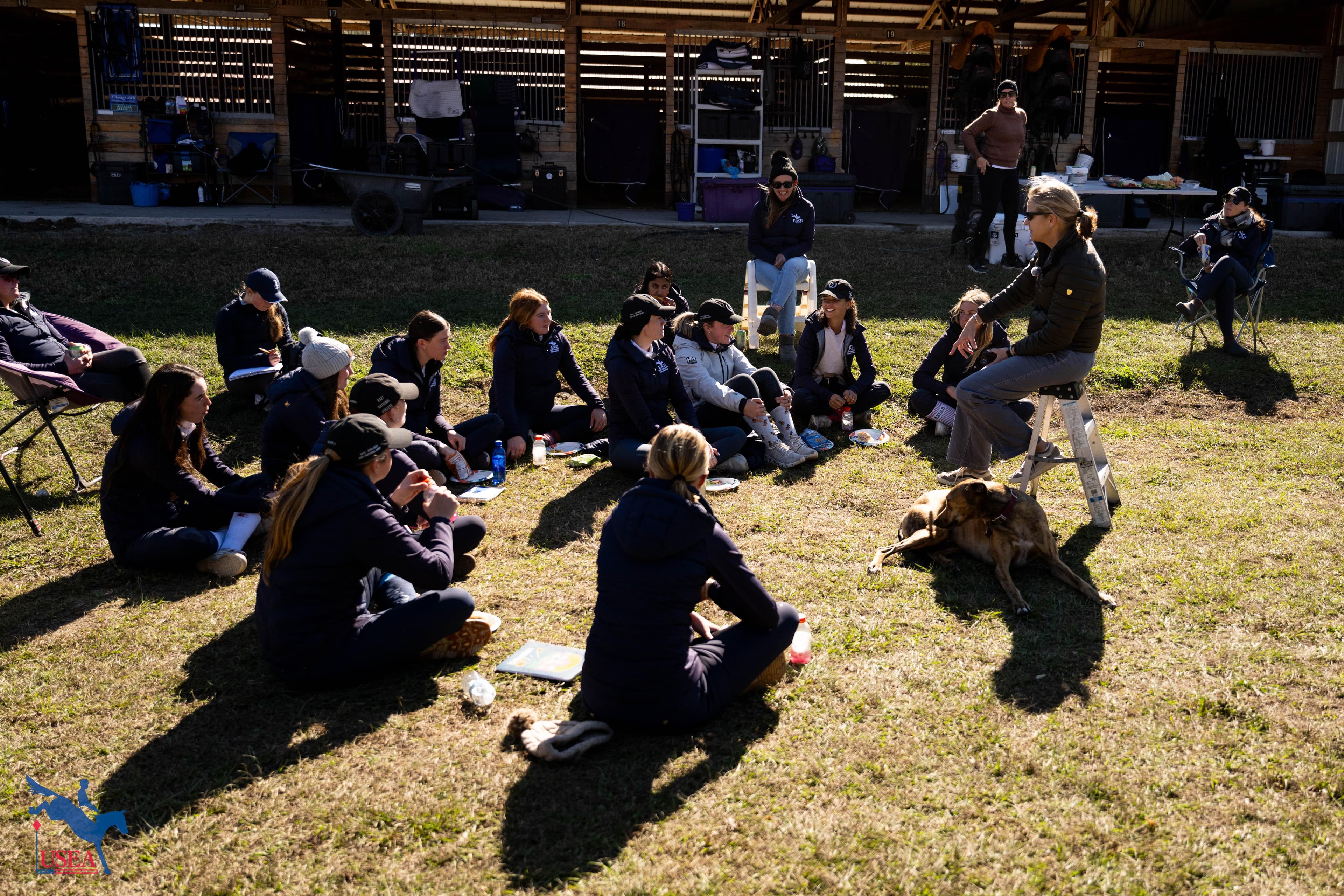
EA21 Coach Rebecca Brown, who earned her bachelor’s degree in finance, gave a lecture on the realities of the business of a professional equestrian athlete. Supported by the other EA21 coaches in Ashley Johnson, Bec Braitling, Emily Mastervich, and Jan Byyny, she discussed the different revenue streams that are possible for a professional. Each coach explained how they chose to focus on their own specializations in sales, training, or coaching. Brown imparted three pieces of practical knowledge she felt were most critical for helping make ends meet:
- USEA Eventing Coaches Program (ECP) certification to prove your level of coaching meets standardized criteria to a newcomer and increase revenue through teaching.
- Fundraising through non-profits such as Southern California Equestrian Sports or the American Horse Trials Foundation so support can be tax-deductible.
- Syndications, to split ownership of upper-level prospects and disperse the cost among a group of people.
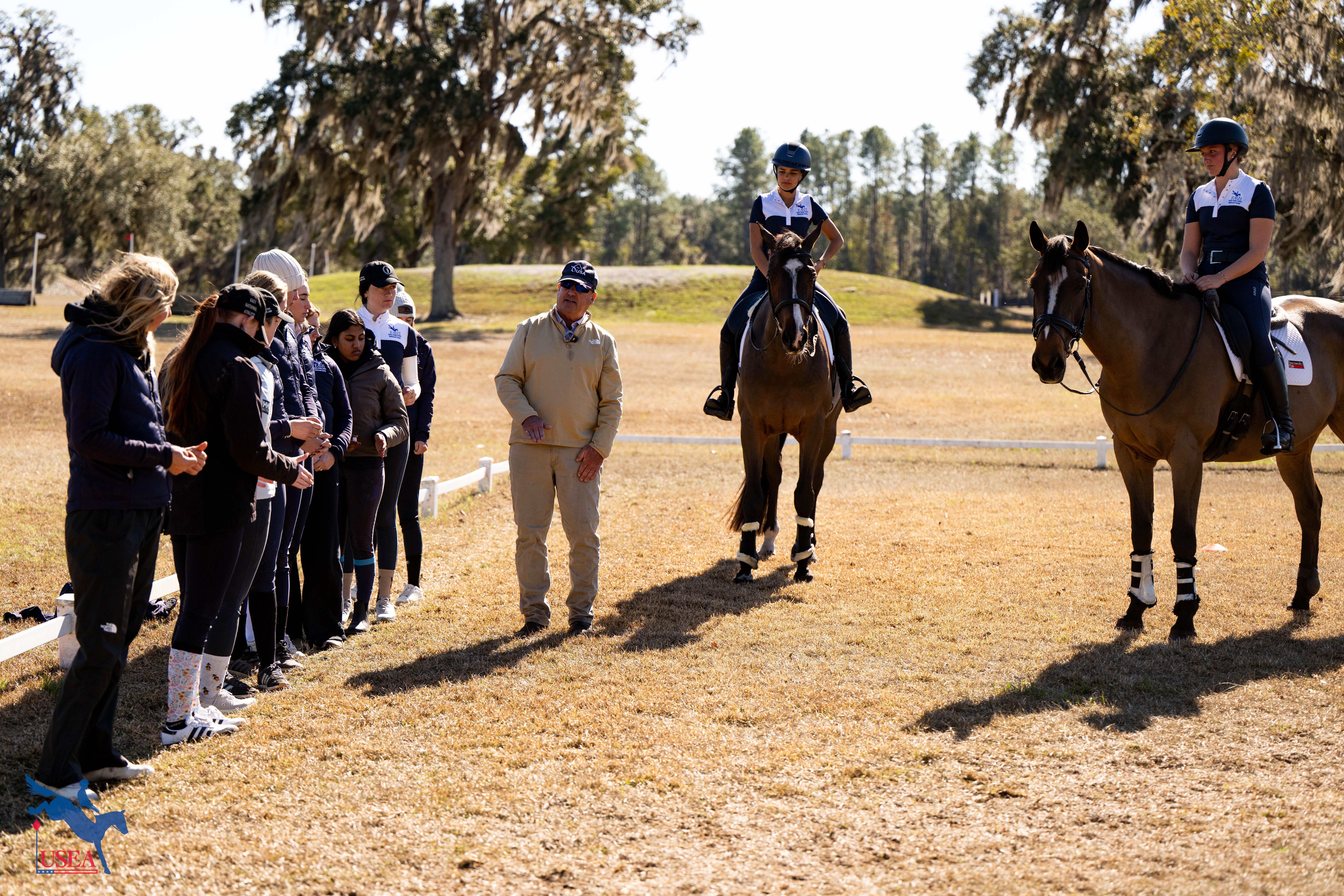
Then it was time to make some mistakes on a horse’s back.
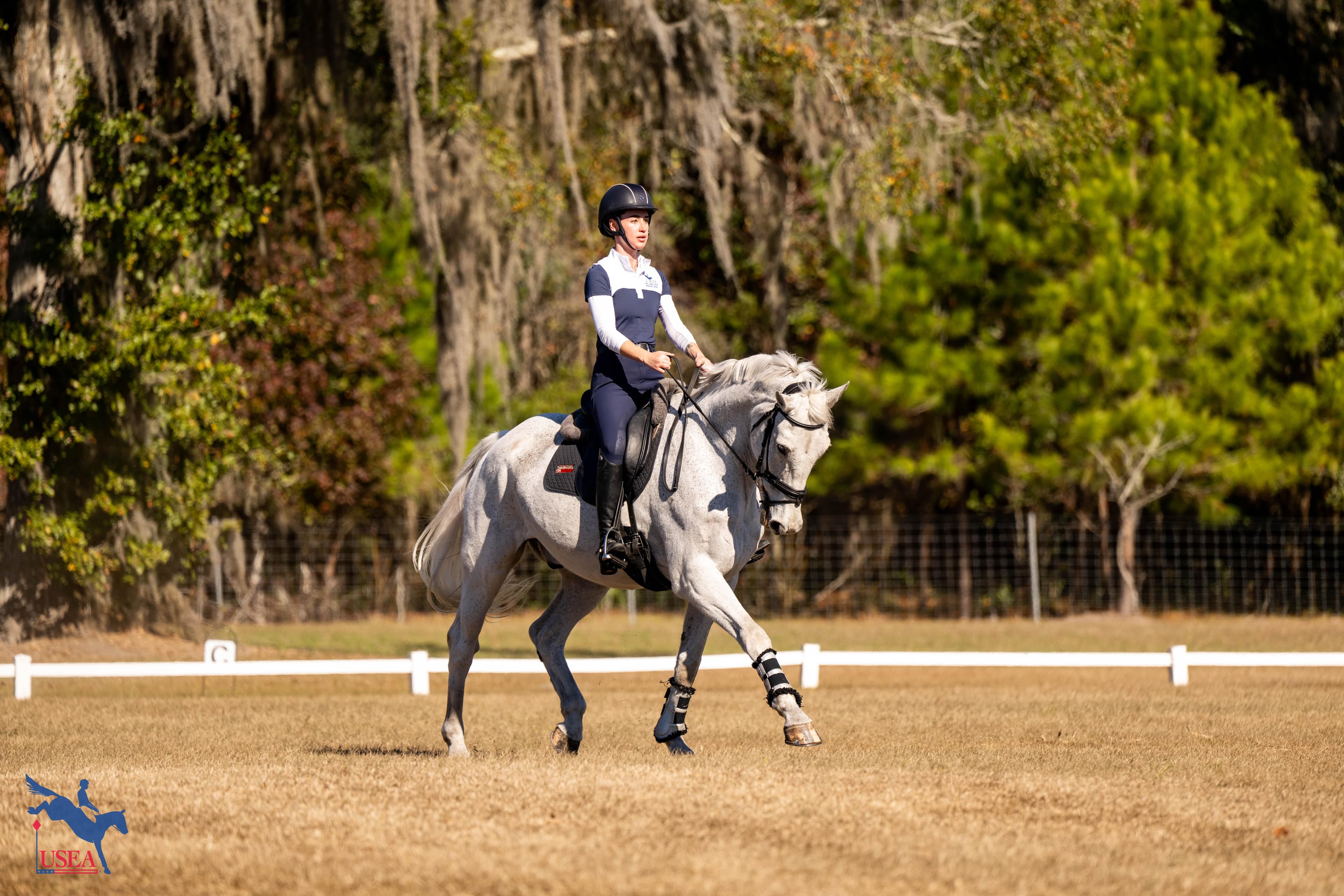
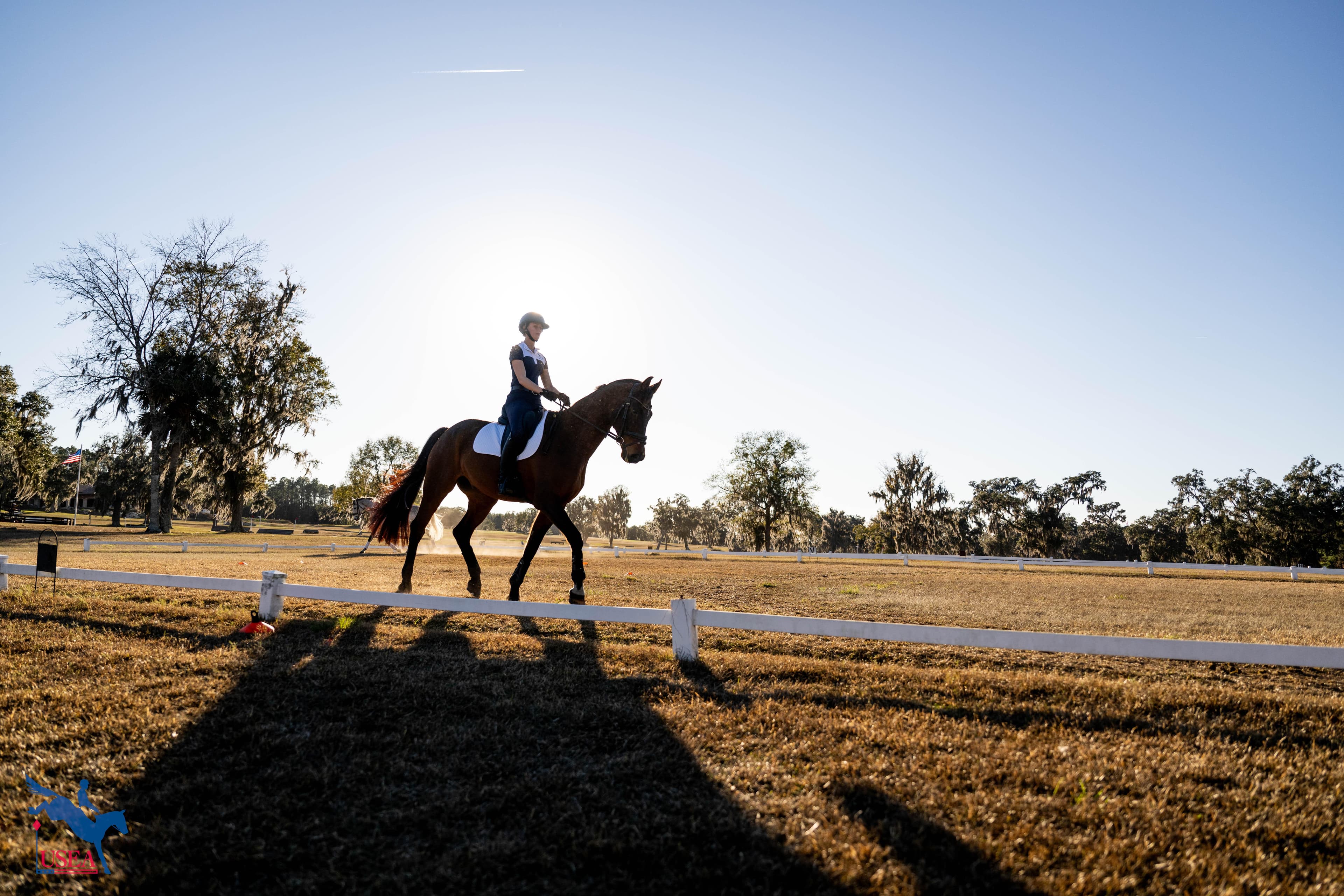
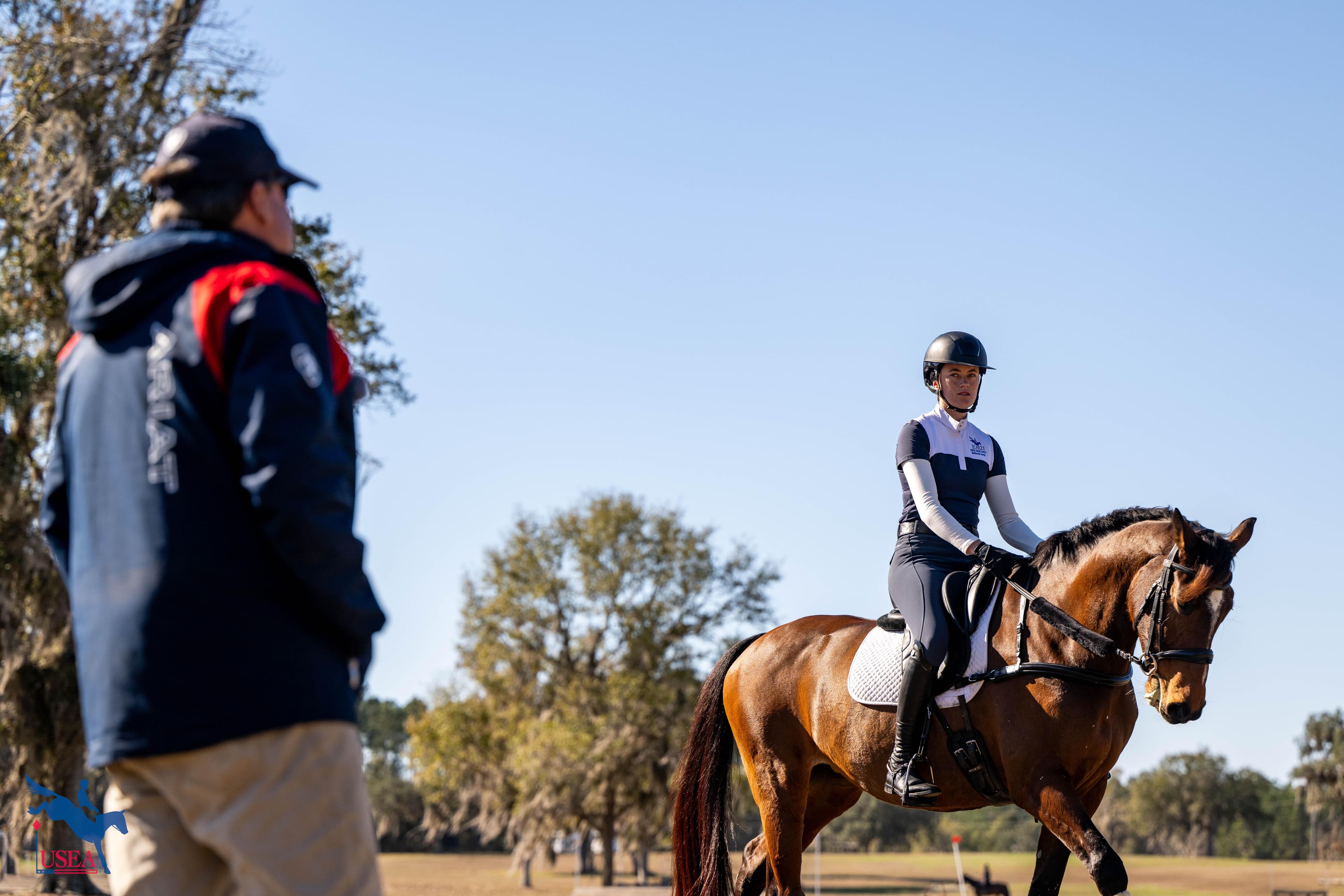
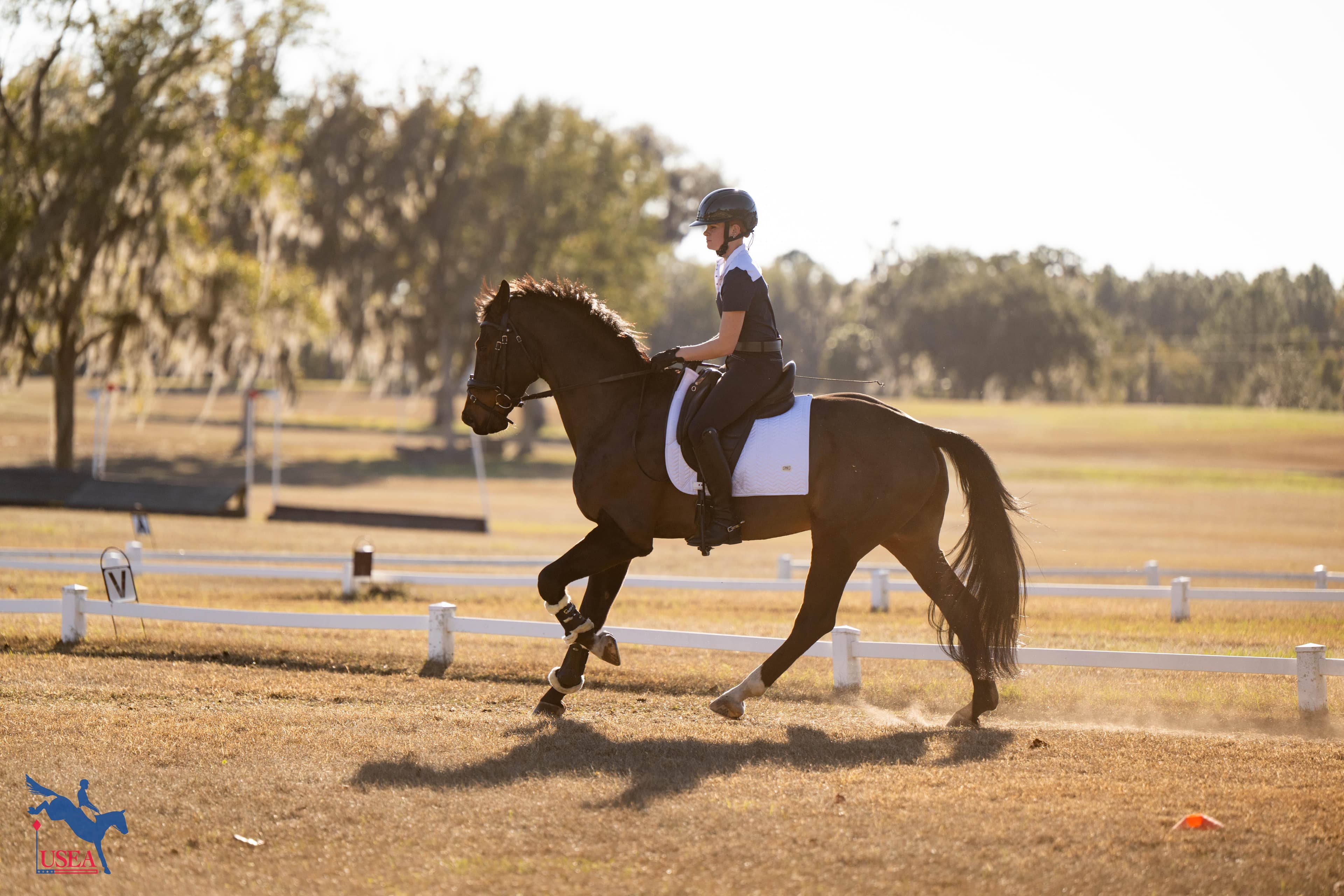
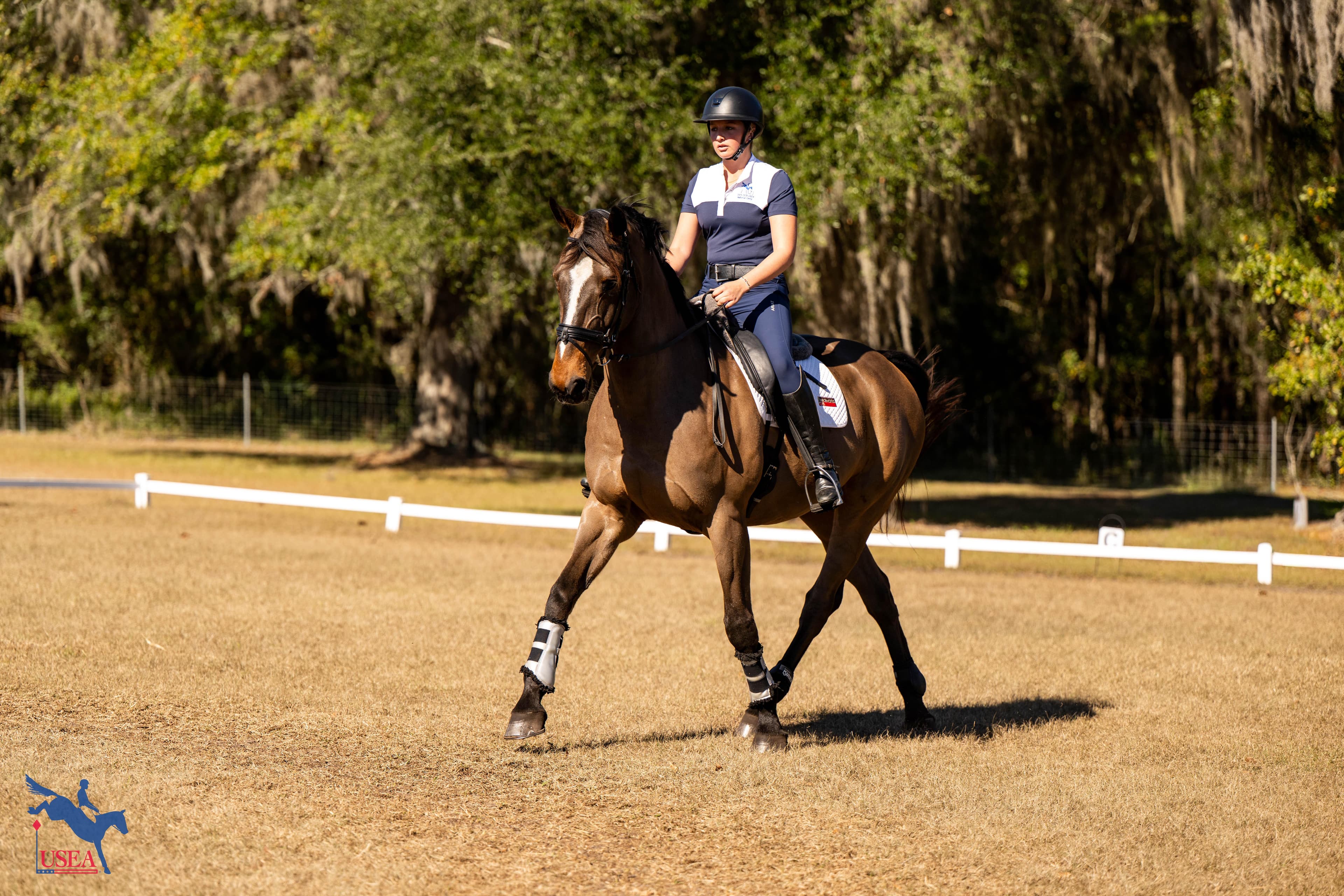
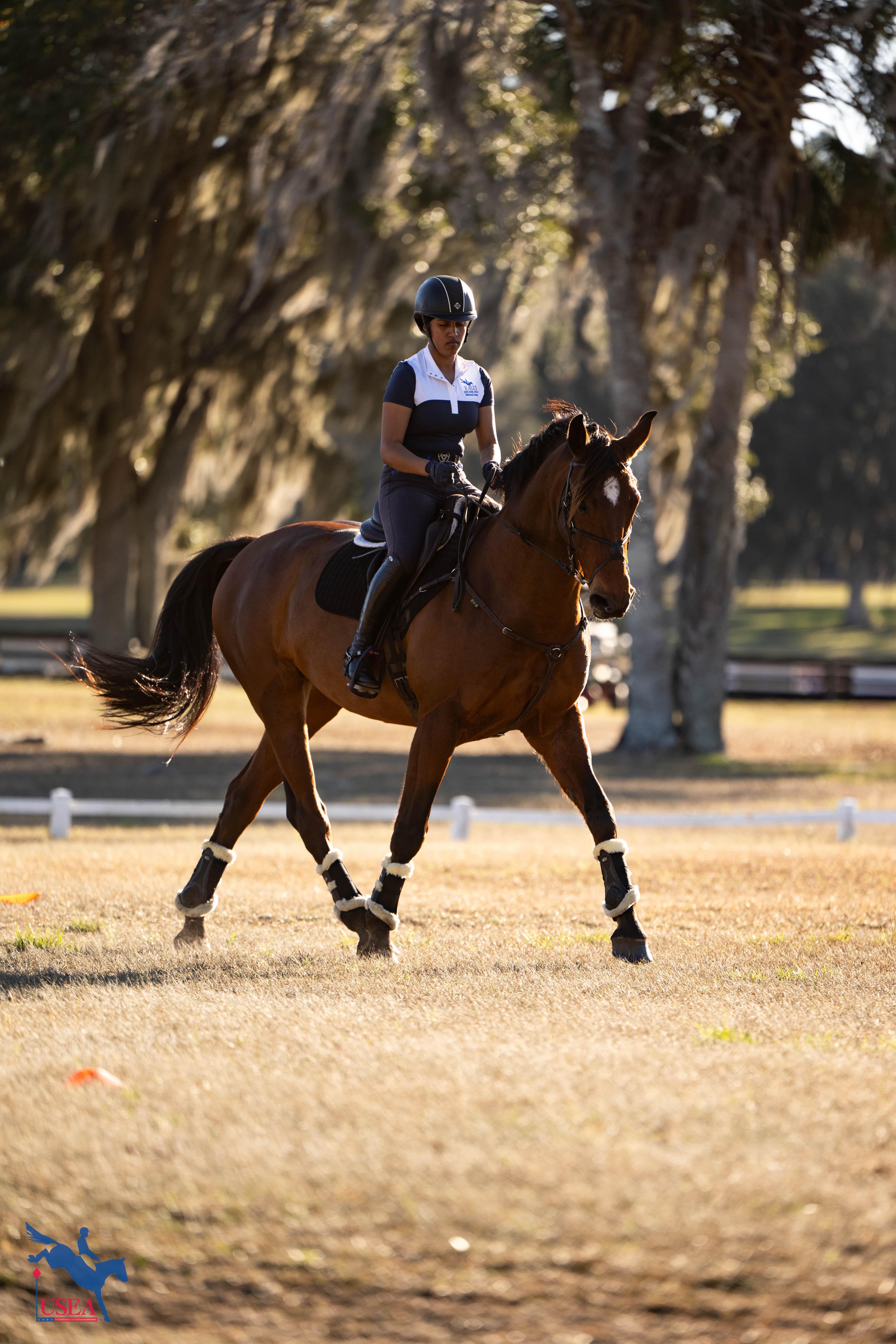
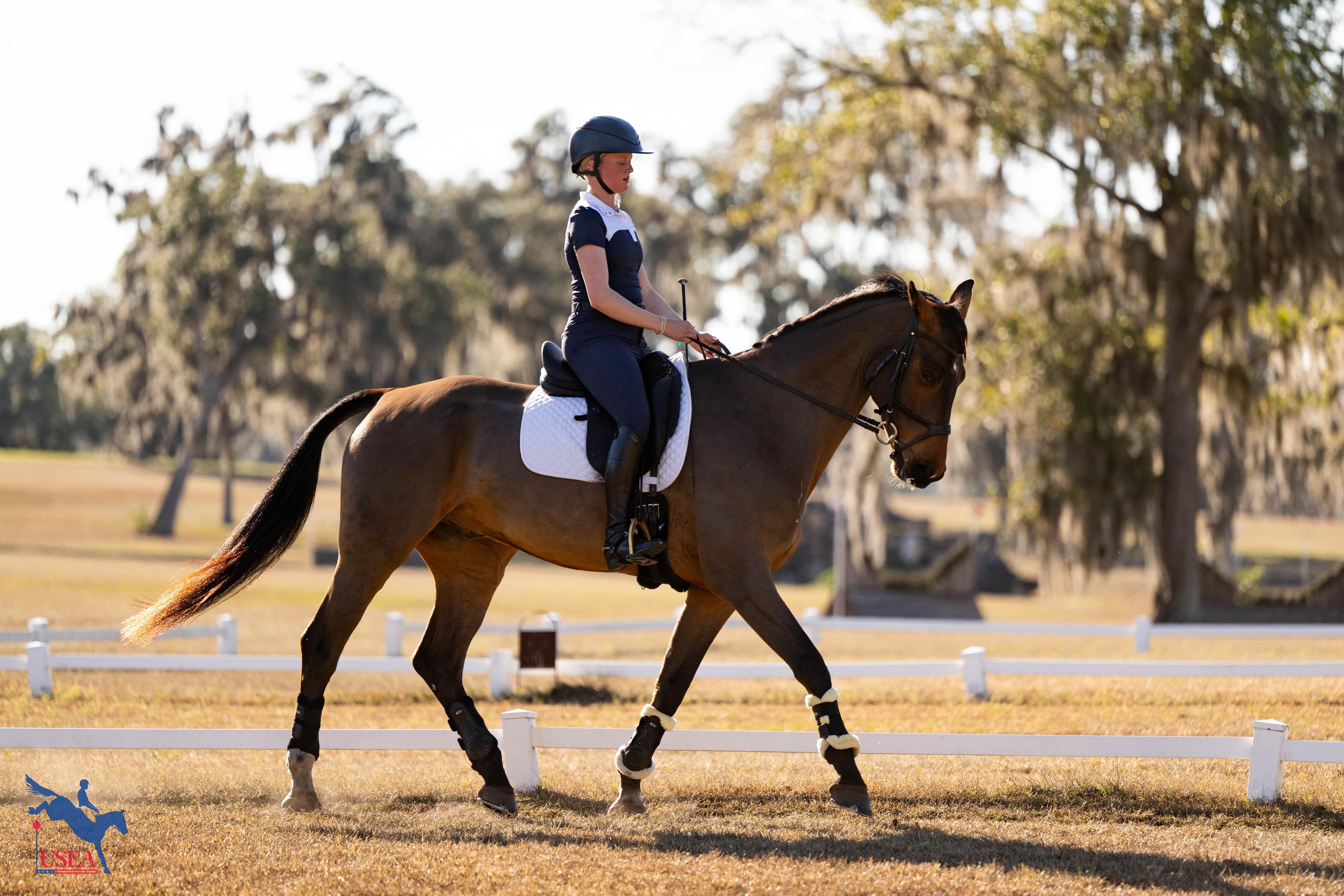
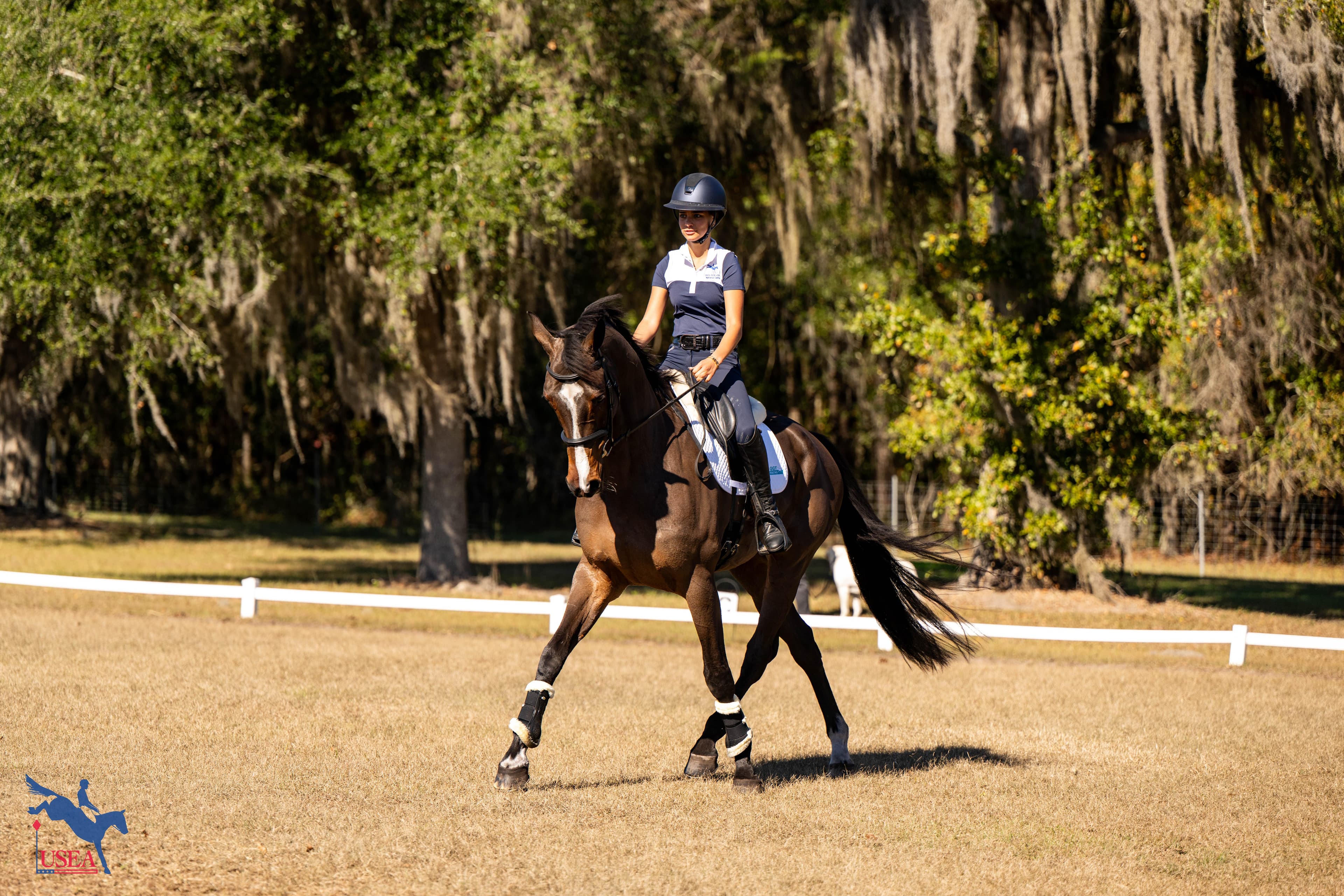
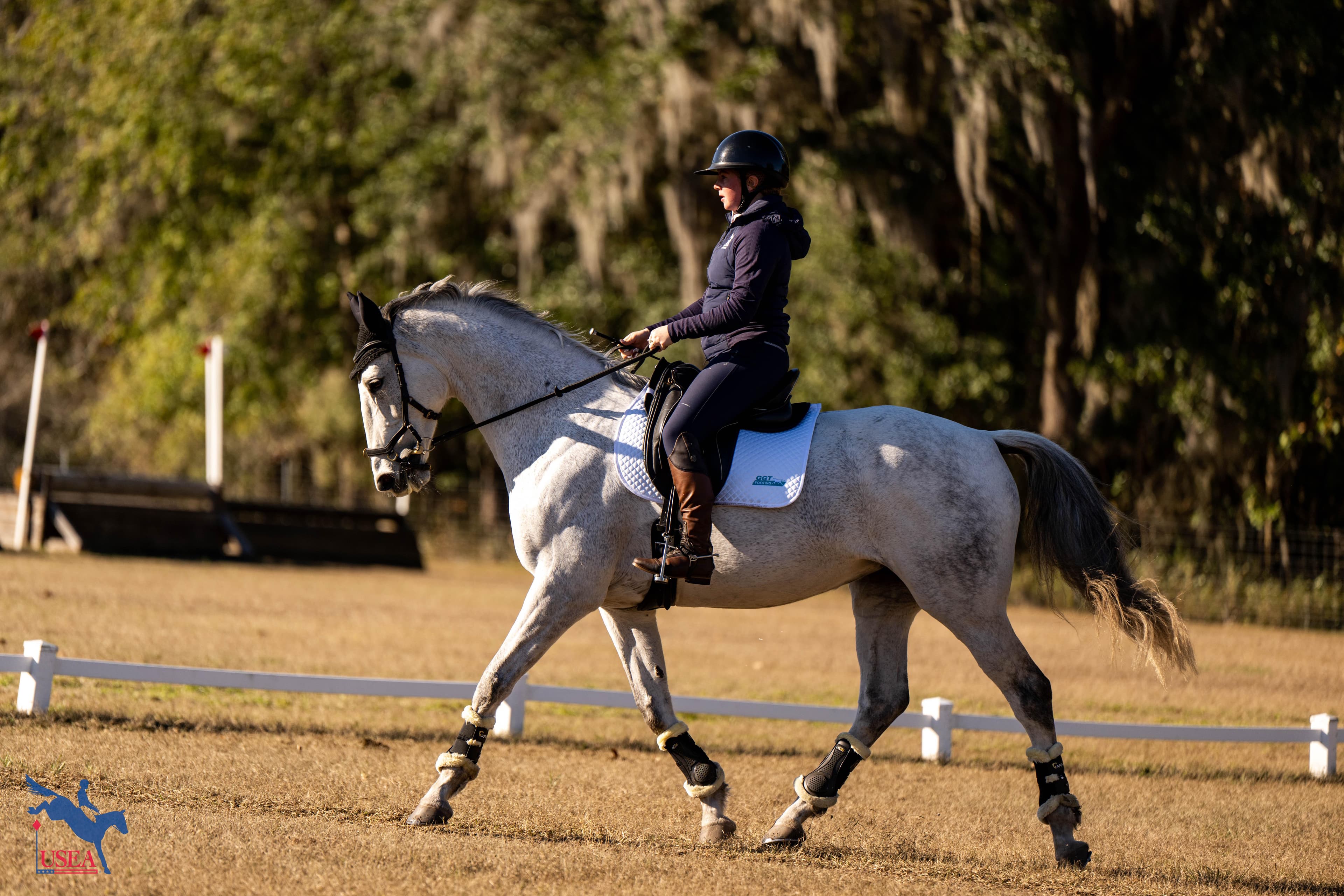
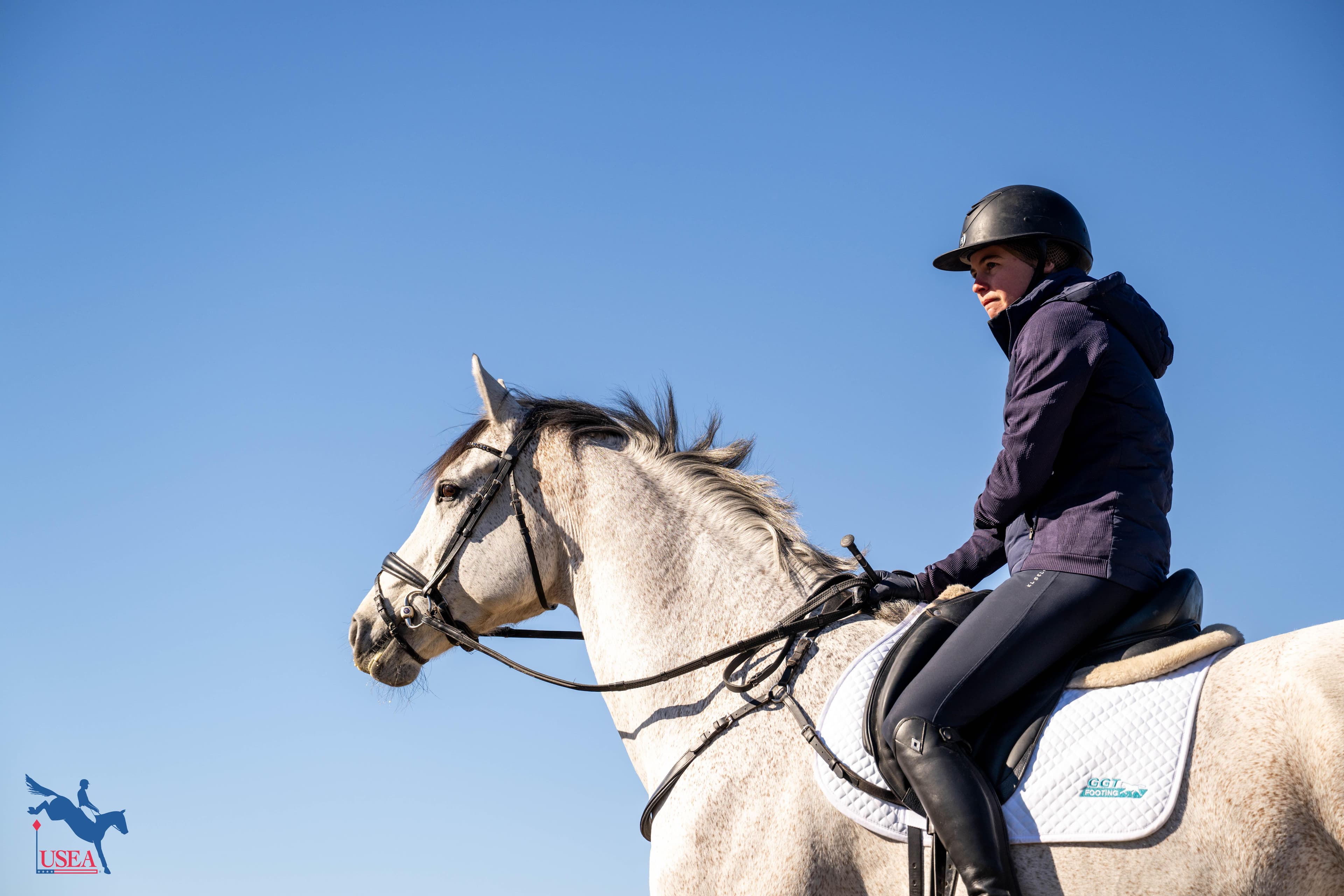
This was a more focused ride in which O’Connor would give specific feedback to each athlete and horse combination and spend the lesson honing the details. For some riders, there were physical limitations like tight stifles or weak hinds ends in their horses. For others, it was about achieving clearer communication.
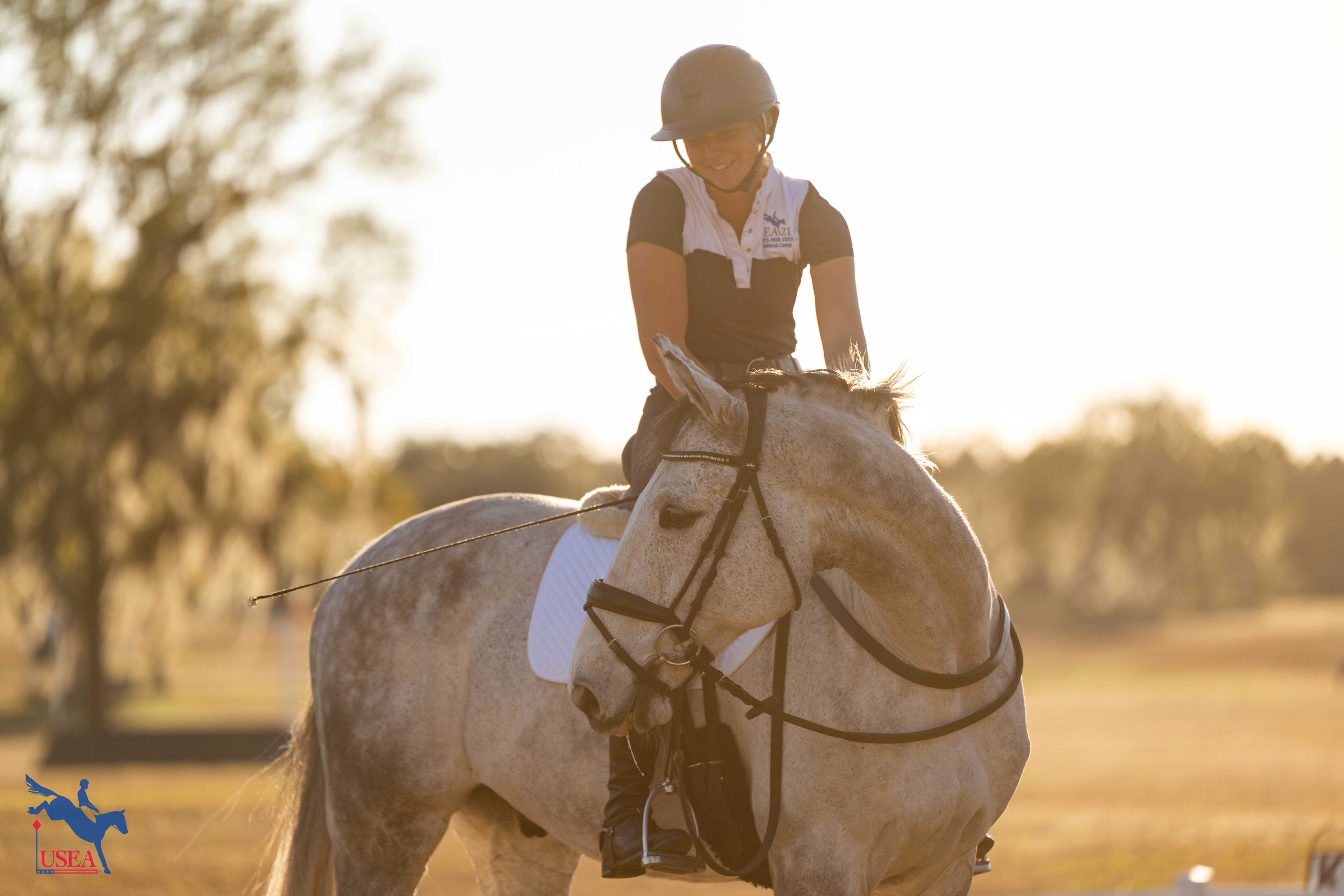
Adelyn Rinehart, attending National Camp for the first time, found she was inadvertently speaking with her mare, and those unintended words were getting in the way. “We were practicing a lot in the canter work, and sometimes she can get a little stiff in her head and neck. [O’Connor] told me to use my arms and release my elbows so when I do that, she’s able to move her body more. Today, when we were doing some haunches-in, she just fully released and stood up straight. That was something I have felt, but it was [because] of something I hadn't done before. It was a really cool feeling.”
She went on to add that feeling comes from a deepening understanding. “[O’Connor] has done such a good job explaining ways that we can communicate better with the horses without having to be forceful and riding harder. Only three days of riding with him, and I feel like I have a way better understanding of what my horse likes and what she needs.”
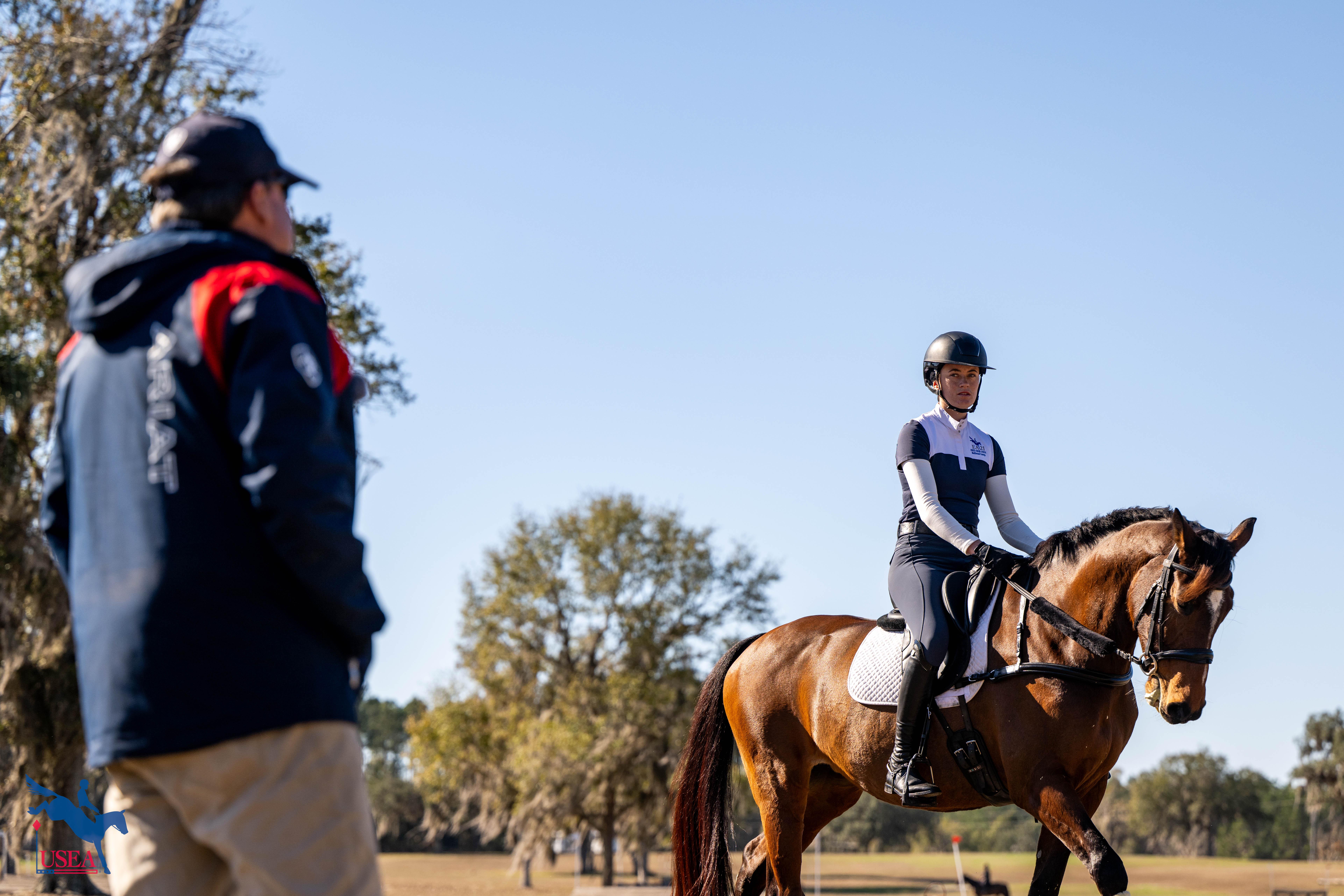
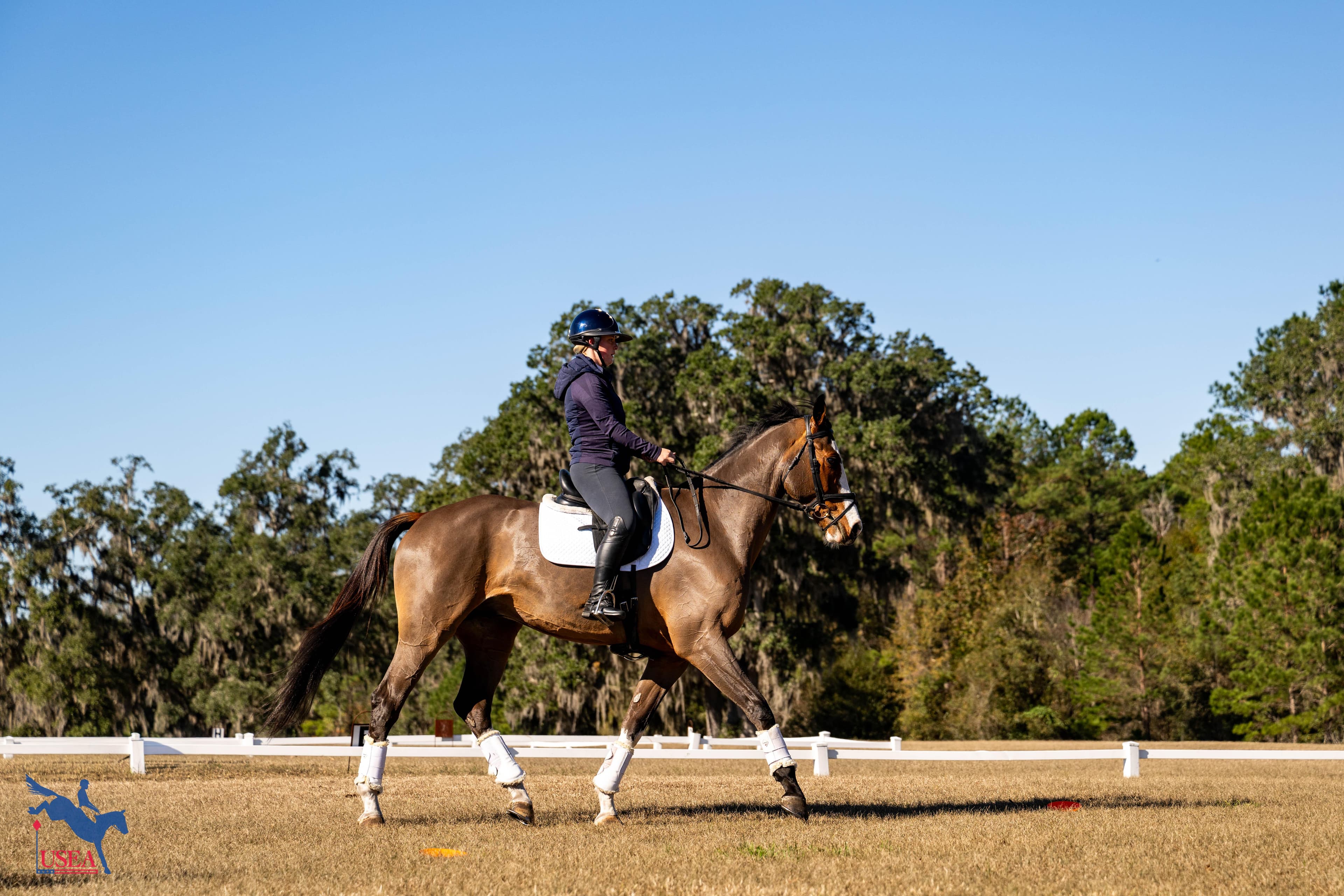
For AnniePearl Stroud, also attending for her first time, the ride was more about peeling back the layers and getting to know her mount better. “This is a catch ride [from Coco Ramkowsky] for me that I'm very fortunate to be on. He’s a coming 8-year-old, so still young and learning where his body is. He's 18.2 hands; he's a large boy! So really understanding how to compress him and to have more impulsion through the turn so that he sits and knows that, hey, I'm not going to bulldoze through this, I can actually sit, I know where my legs are.”
She got a first-hand experience to O’Connor’s oft-repeated phrase: “It’s all connected; the dressage, the show jumping, and the cross country.” “He’s so good about understanding that everything happens on the flat before you can do anything else,” she said. “So if you don't have it in the flat, you don't really have it at all. After day 1 of dressage, the things that I struggled with definitely showed up in the pole exercises that we did yesterday. But when I was able to get it today, I think the jumping is going to go a little bit better tomorrow.”
Trying and failing or trying and succeeding doesn’t matter so much to O’Connor as much as the knowledge of why. Being able to reason on their own through problems and come up with solutions is what he is here to facilitate. “We started with very basic things,” he said. “How does your body work? What is that motion? But to come into some of the nuances about watching the horse physically, instead of just me telling them what that is, I'd say, here, look for that. Why do you think that is? And what exercises would you do to help improve that? So that's a little bit more advanced, but there's no reason with these kids and their depth of knowledge right now that [we can’t] ask them. Let's throw it back. What do you see, and what would you do instead of just waiting for somebody to tell you what to do.”
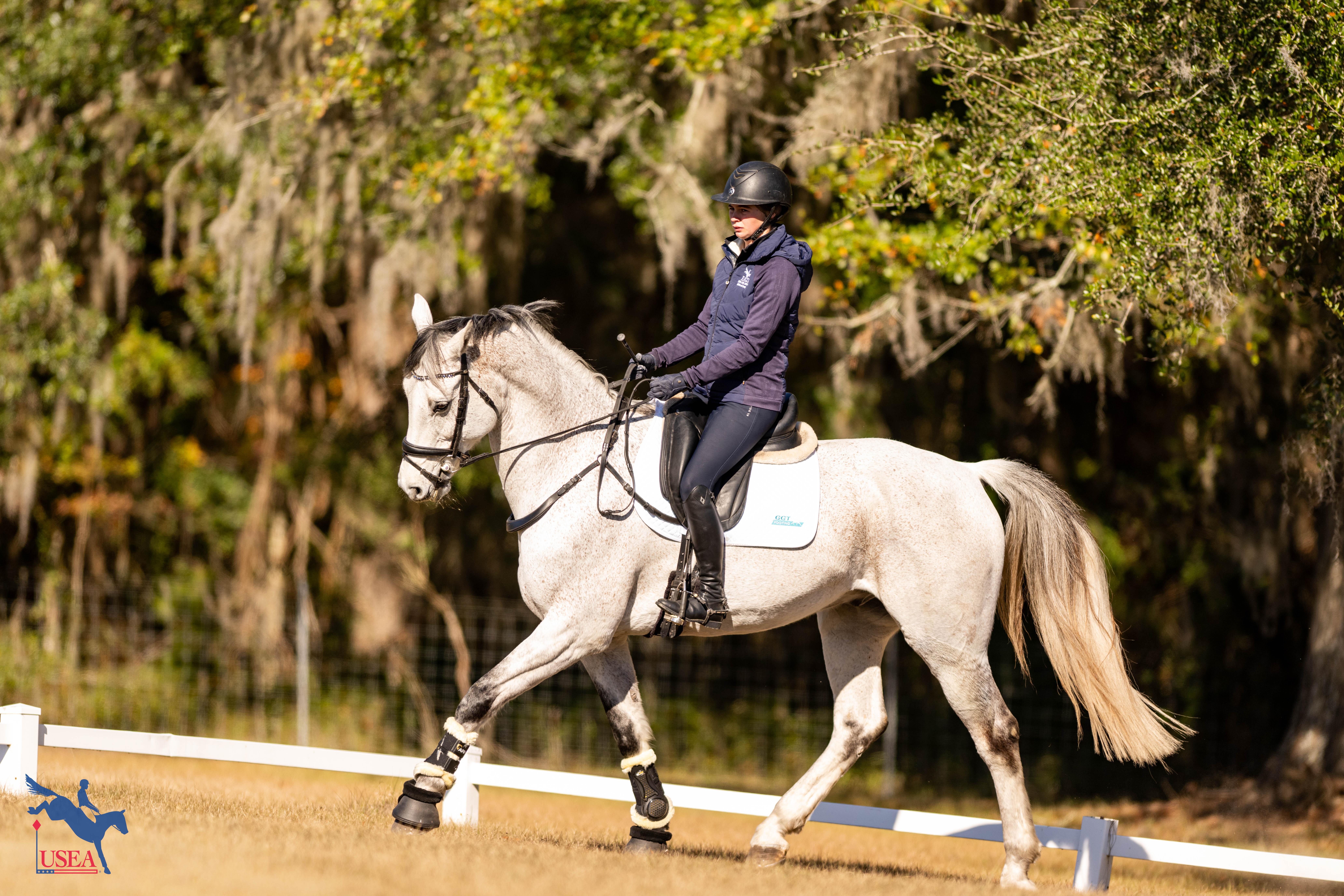
The history of the sport goes back hundreds of years, and the theories and techniques are just as important as any number on the scoreboard. “Understanding theory, understanding technique, understanding that it leads to instincts, that's what this is all about. I think that's how you learn any sport. So that's been something we keep trying to push: that clarity of the technique, that clarity of the exercises, and the theory of it, right? And then the horsemanship is well, how much of [each piece]? Maybe it's 20% of that, or 40% of that. Or I'm going to use this exercise instead of that exercise right now.” To create long lasting horsemen and women, those pieces of the trade need to be imparted, not just the tricks of how to get there.
Quick Links:
- Meet the EA21 National Camp Athletes
- 2025-2026 EA21 National Camp Fast Facts
- Learn more about the USEA EA21 Program
About the USEA Emerging Athlete U21 Program (EA21)
The purpose of the USEA Emerging Athletes U21 Program (EA21) is to identify and provide consistent quality instruction to the next generation of elite event riders. The aim is to create a pipeline for potential team riders by identifying and developing young talent, improving horsemanship and riding skills, and training and improving skills and consistency.
The USEA Emerging Athletes U21 Program was launched in 2022 with a model of five summertime regional clinics taught by carefully selected USEA Eventing Coaches Program (ECP) coaches, leading to a winter national camp consisting of selected Young Riders from the regional clinics. Athletes who are 21 years or younger, are current members of their USEA Young Rider Area program, and are established at the Training Level or higher, are eligible to apply for the EA21 program. Click here to learn more about the USEA EA21 Program.
The USEA would like to thank ARMA, Bates Saddles, GGT Footing, Horse Illustrated, Kerrits, PulseVet, Ride iQ, Schneiders Saddlery, Sidelines Magazine, WeRideTogether, and YETI for sponsoring the USEA Emerging Athletes U21 Program.
Related Articles
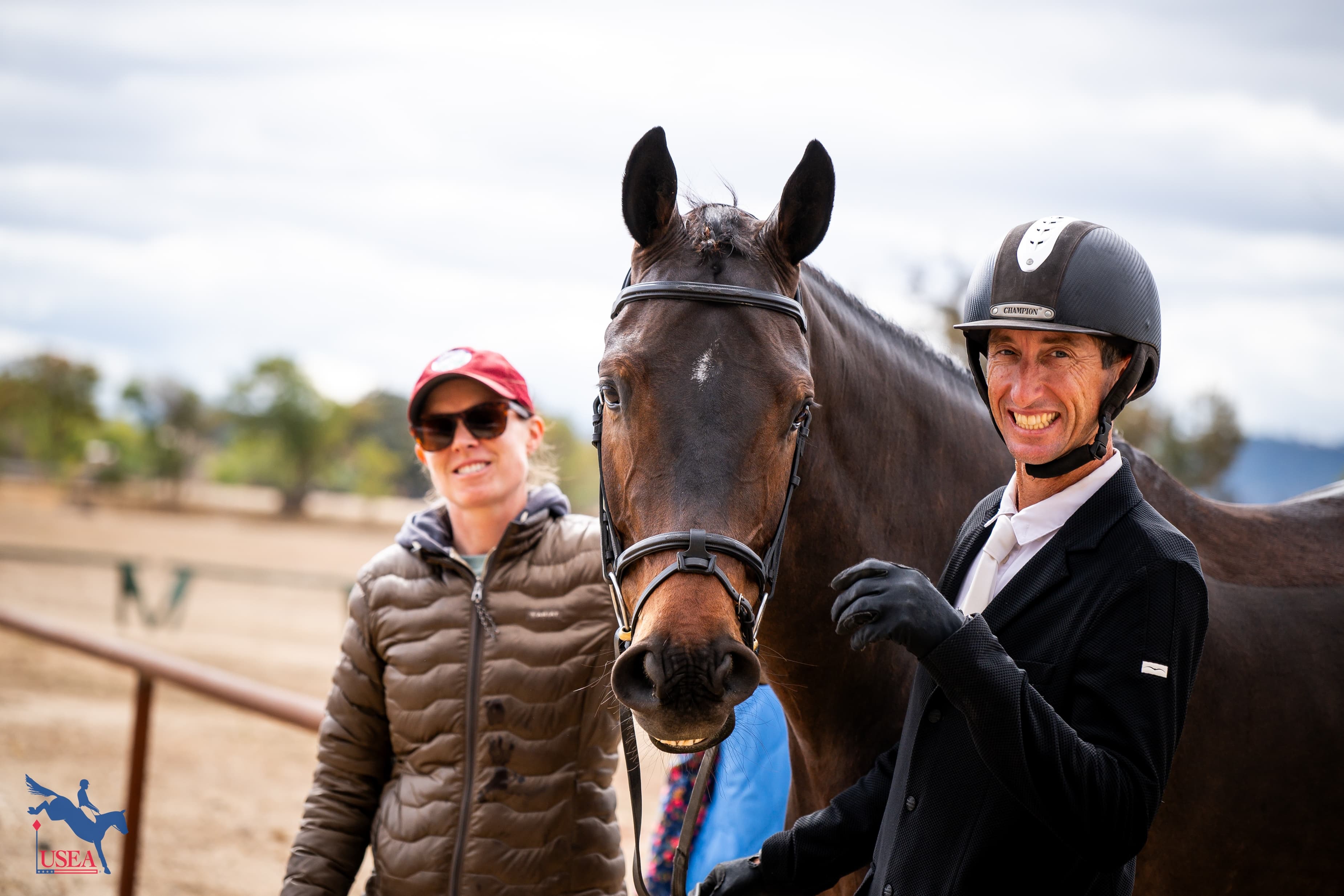
Day One Recap from the 2026 USEA Young Event Horse West Coast Championships
The 2026 USEA Young Event Horse (YEH) West Coast Championships kicked off with the dressage and conformation phases today at Twin Rivers Ranch in Paso Robles, CA. James Alliston leads the 5-year-old championship with a 24.95 on Petey Alliston's Viodor (Vidar x Haupstutbuch Sibrensil), a German-br...
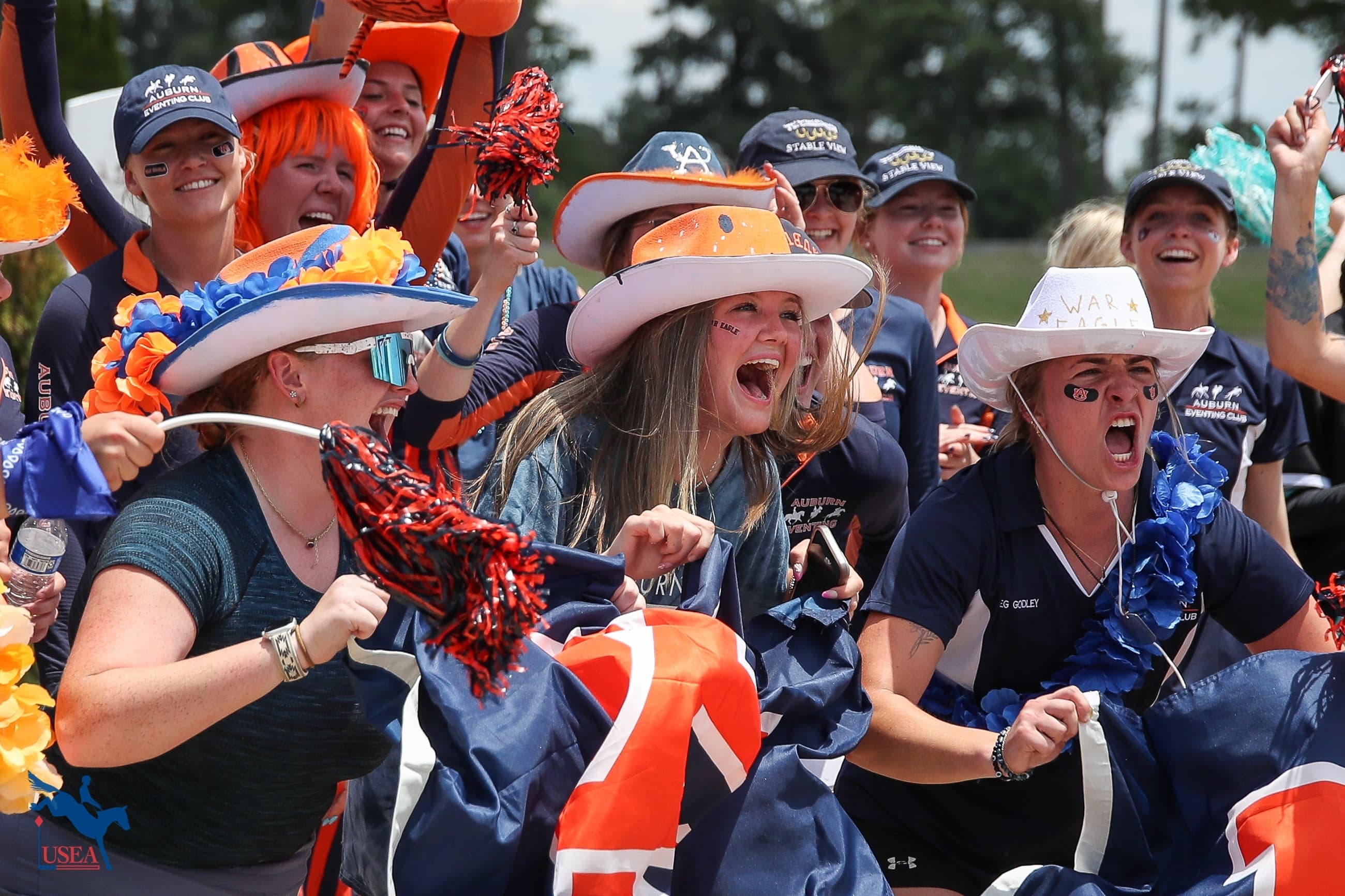
Request for Expressions of Interest: 2028 & 2029 USEA Intercollegiate & Interscholastic Eventing Spring Championships Host Sites
The United States Eventing Association, Inc. (USEA) is excited to announce a request for expressions of interest to host the USEA Intercollegiate & October 23, 2026
Fast Facts: 2026 USEA YEH West Coast Championships
As of this morning, 19 young horses are entered in the 2026 USEA Young Event Horse (YEH) West Coast Championships at Twin Rivers Ranch in Paso Robles, California, which take place this weekend, October 23–24. The field includes six 4-year-olds and 13 five-year-olds. Horses qualify for the West Co...
Official Corporate Sponsors of the USEA
Become a Sponsor