Cooling the Threat: How Grayson-Funded Research Is Changing the Fight Against Laminitis
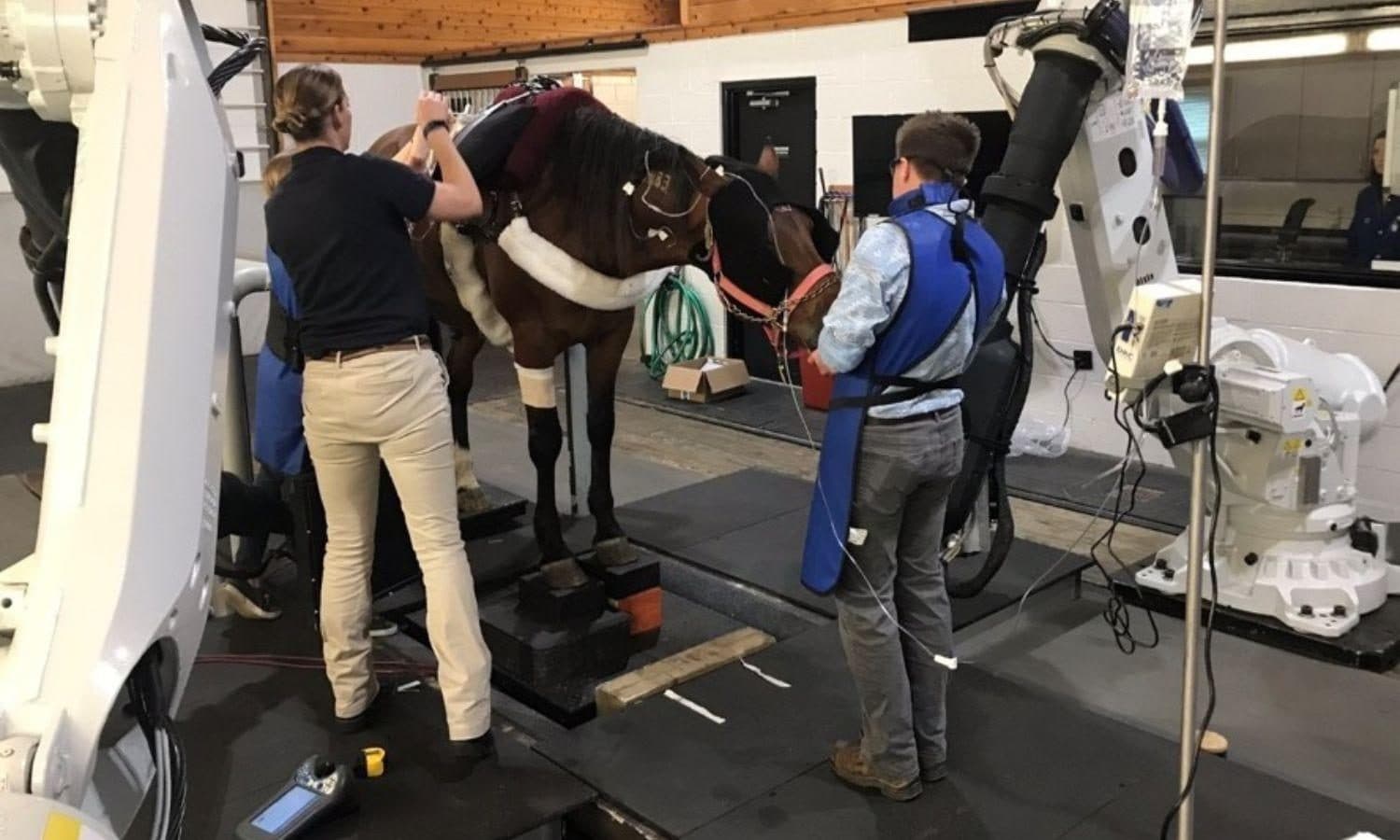
The following article is being shared by our partners at the Grayson-Jockey Club Research Foundation.
Few diagnoses strike fear into a horse owner's heart like laminitis.
This painful and often devastating disease damages the sensitive tissues that connect the hoof wall to the underlying coffin bone. Laminitis not only threatens a horse's athletic career but remains one of the leading causes of premature death in horses, second only to colic.
Laminitis can affect horses of all breeds and disciplines and generally falls into three categories:
- Endocrine-related laminitis, associated with Equine Metabolic Syndrome (EMS) and Pituitary Pars Intermedia Dysfunction (PPID or Equine Cushing's Disease)
- Sepsis-related laminitis, which can develop following serious illnesses such as colitis, pneumonia, metritis, or grain overload
- Supporting-limb laminitis, which occurs when a horse bears excessive weight on one limb following an injury to the opposite leg
For decades, veterinarians have focused primarily on treating laminitis after its onset. Today, thanks to groundbreaking research funded by the Grayson-Jockey Club Research Foundation, researchers are developing ways to prevent the disease before irreversible damage occurs.
A Simple Concept with Powerful Results
Through the benefit of strong collaborations with fellow researchers, Dr. Andrew Van Eps, Associate Professor of Equine Musculoskeletal Research at the University of Pennsylvania's New Bolton Center, and James Belknap, DVM, PhD, DACVS, who has been researching laminitis mechanisms at the tissue level at The Ohio State University, have led multiple Grayson-funded studies, including investigating one of the most promising advances in laminitis prevention and treatment.
Through cryotherapy, or therapeutic foot cooling, Dr. Van Eps and his team have demonstrated that cooling a horse's lower limbs can significantly reduce the risk of laminitis development in high-risk horses and improve outcomes when applied during the earliest stages of the disease.
Experimental studies have shown that cryotherapy can:
- Prevent laminitis in septic horses suffering from illnesses such as colitis and pneumonia
- Reduce damage associated with acute laminitis
- Improve outcomes when used as an early intervention
- Prevent the development of endocrine-related laminitis in research models
Why Cooling Works
Through years of investigation, researchers have identified several ways cryotherapy protects the hoof.
Cooling dramatically reduces metabolic activity within the sensitive lamellar tissues of the foot, decreasing energy demands while preserving normal cellular function. It also suppresses inflammatory signaling and inhibits cellular changes that contribute to weakening and separation of the hoof structures.
Together, these effects help protect the foot during periods when horses are most vulnerable to laminitis.
What Does Cryotherapy Look Like?
The goal of cryotherapy is simple: maintain continuous cooling of the lower limb from the knee or hock downward during periods of high risk.
Methods may include:
- Ice boots
- Ice pack wraps
- Ice sleeves
- Standing in cold water
- Specialized systems that continuously circulate chilled water
While researchers continue working toward more practical and efficient cooling systems, studies have consistently demonstrated that cryotherapy is both safe and effective when implemented appropriately.
Real Horses, Real Success Stories
The impact of this research extends far beyond the laboratory.
Several high-profile Thoroughbreds have benefited from cryotherapy-based treatment protocols, including Grade 1 winners Lady Eli, Bal a Bali, Paynter, and Lord Nelson.
Lady Eli and Bal a Bali successfully returned to racing following their recovery. Others, including Paynter and Lord Nelson, were able to transition comfortably into breeding careers, preserving both their quality of life and their contributions to the breed.
Research That Protects Every Horse
Laminitis remains one of the most challenging diseases in equine medicine, particularly for horses affected by EMS and insulin dysregulation. As Grayson-funded researchers continue to investigate innovative approaches — including cryotherapy, insulin regulation therapies, and metabolic disease prevention — the future is becoming brighter for horses at risk.
"Every advancement in laminitis research brings us closer to preventing one of the most devastating diseases affecting horses. Research is transforming our understanding of the disease and providing new opportunities to protect horses before they suffer permanent damage." — Inspired by the work of Dr. James K. Belknap
Related Articles
A Plea From Your Friendly Social Media Manager: Please Stop Using AI on Your Sale Horse Photos
I get it. You want to sell your horse. You have a photo from a show photographer, but it's not quite what you envisioned. The horse looks fine, but not great. The background is the schooling ring. The lighting is flat. And there's this tool that can fix all of it in seconds.
Fast Facts: 2026 USEA Young Event Horse East Coast Championships
Sixty of the country's top young horses are headed to Elkton, Maryland, for the 2026 USEA Young Event Horse (YEH) East Coast Championships, held alongside the CCI3*-L at Fair Hill. The field in...
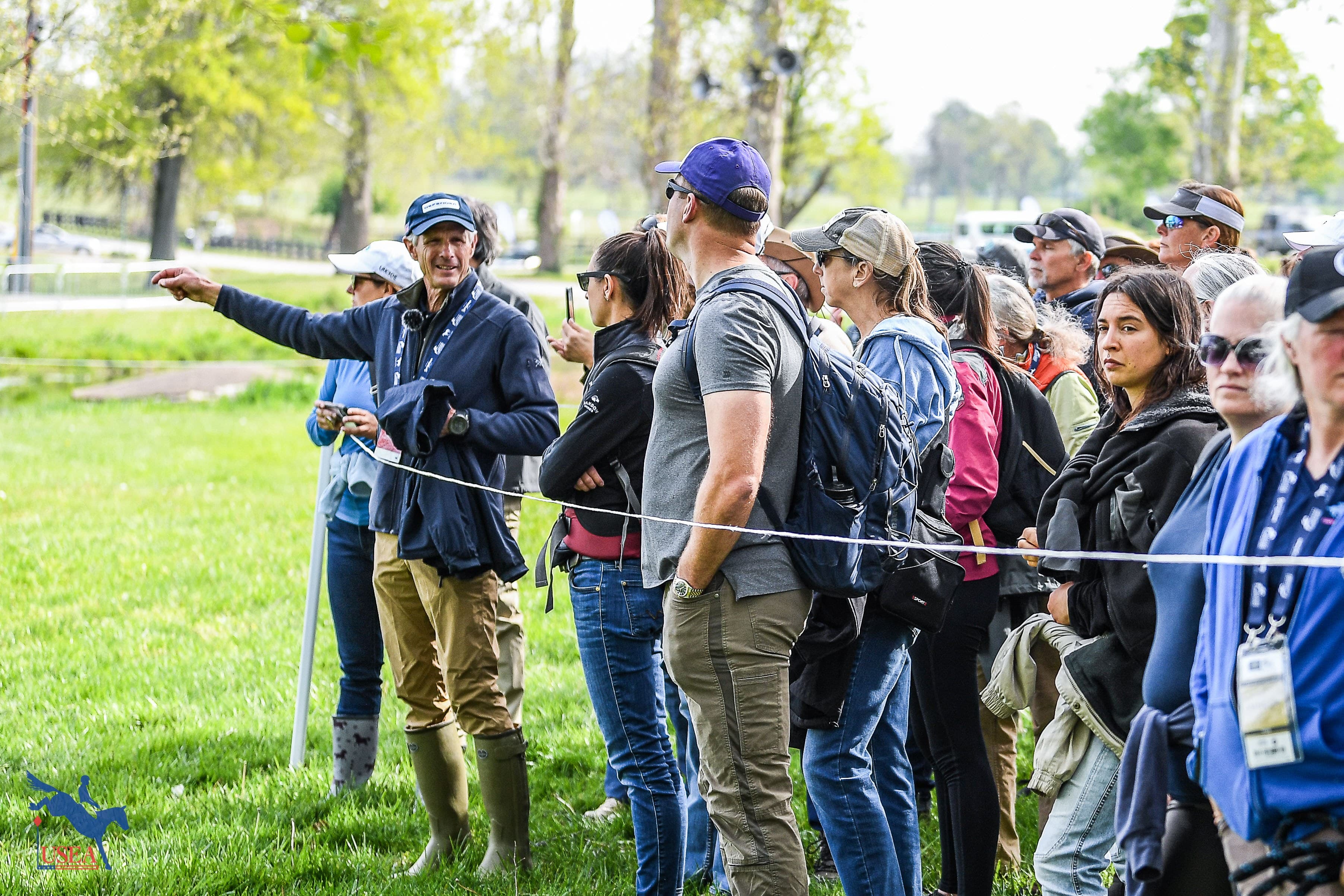
Derek di Grazia to be Inducted into U.S. Eventing Hall of Fame in December at the USEA Annual Meeting & Convention
Since 1999, more than 50 outstanding horses and people have been inducted into the U.S. Eventing Hall of Fame. Induction into the Hall of Fame is the highest honor awarded within the sport of eventing in the United States that is only bestowed to individuals who have made significant contribution...