Why the Future of Eventing Depends on Self Mastery
There is a moment many people in this sport know well.
You are prepared. The plan is clear. The training is there. And yet, as pressure enters the picture, something shifts. Breathing becomes shallow. Focus narrows. Communication tightens. What should feel fluid suddenly feels strained.
This moment does not only happen to riders. It shows up in barns, in warm up rings, in team dynamics, and in the invisible relationships that hold this sport together.
We often label these moments as stress, nerves, or personality differences. But what if they are something else entirely? What if they are signals from a system under pressure?
At the USEA Annual Meeting, I invited the community into a broader conversation about the state of our sport. Not as critique, but as responsibility. Because what we are seeing at every level of eventing is not isolated to individuals. It is systemic.
What many of us are experiencing is not failure. It is dysregulation. And it affects riders, horses, coaches, owners, grooms, officials, and the networks that connect them.
The Sport is an Interconnected System
Modern neuroscience gives us language for something people in this sport have always sensed. The nervous system governs how humans respond to pressure, uncertainty, and perceived threat. It shapes behavior long before conscious thought catches up.
Polyvagal theory explains how the autonomic nervous system constantly scans for cues of safety or danger. When safety is present, the body supports connection, collaboration, and clear decision making. When threat is perceived, even subtly, the system shifts toward protection. That shift alters communication, timing, tone, and trust.
This plays out everywhere in the sport.
A rider holds their breath before a combination.
A coach sharpens their language under pressure.
A barn becomes reactive instead of responsive.
A team struggles to communicate clearly when stakes are high.
None of this is about intent or effort. It is physiology.
Horses, as prey animals, mirror this immediately. So do people. Nervous systems influence one another constantly, especially in close working environments like barns and teams.
This is where the conversation widens. Because the sport itself behaves like a nervous system. Under scrutiny or stress, it can become reactive, rigid, and defensive. That response is understandable, but it is not sustainable.
If the goal is longevity, trust, and integrity, then regulation becomes a collective responsibility, not just an individual one.
Redefining Mastery as a Shared Foundation
When we talk about performance mastery, it is tempting to focus only on the rider in the saddle. But performance in eventing is never individual. It is the product of relationships, environments, and systems working together.
At the heart of what I shared was an invitation to rethink mastery itself. Not as something achieved alone, but as something cultivated collectively.
Three principles anchor this shift.
Integrity over image.
Connection over control.
Leadership over reaction.
These principles apply not just to riders, but to everyone shaping the sport.
Integrity creates coherence within individuals and within teams. When values and actions align, trust increases. Decision making becomes cleaner. Horses are protected because choices are grounded rather than rushed or reactive.
Connection replaces control when safety is present. In barns where people feel regulated and supported, communication improves. Curiosity replaces blame. Horses receive clearer, calmer leadership. Control often emerges from fear, but connection allows skill and experience to come forward naturally.
Leadership over reaction matters most when something goes wrong. Mistakes, spooks, falls, criticism, and pressure moments are inevitable. What defines a culture is not the absence of these moments, but how people respond to them. Regulation allows leaders, whether riders, coaches, or team members, to pause and choose responses that stabilize rather than escalate.
When these principles are shared, they create consistency. Not just in performance, but in how people experience the sport.
What if the Team was Aligned?
This is where the question becomes more expansive.
What if self mastery and performance mastery were not individual goals, but shared foundations?
What if an entire team understood how nervous systems work under pressure?
What if teams trained regulation with the same consistency they train skill?
The implications are significant.
Horses would experience more predictable leadership.
Riders would recover faster from mistakes.
Coaches would communicate more clearly under stress.
Owners and support teams would feel integrated
When regulation becomes the norm, performance stabilizes. Confidence becomes quieter. Trust deepens across roles. The sport begins to feel different from the inside.
This is how cultures shift. Not through mandates, but through shared capacity.
From Awareness to Integration
Many people in the sport now recognize that nervous system regulation matters. What is often missing is integration across environments.
Understanding the science is not enough. Regulation must be practiced in real moments, within real relationships, under real pressure.
This is why structured nervous system training is so powerful when applied beyond the individual. It creates a common language. It gives teams a way to navigate stress without blame. It allows performance to be supported rather than forced.
This is the foundation of Limitless Academy.
Everyone in this program will learn to recognize stress patterns, regulate in motion, and recover faster from setbacks. Over time, these skills influence how they lead, communicate, and contribute to their environments.
The results show up quickly. Horses soften. Confidence stabilizes. Teams become more resilient. Performance becomes more consistent because it is supported by capacity rather than pressure.
Culture does not change through intensity. It changes through repetition of regulated behavior.
Seeing the Work in Action
For those curious what this looks like applied in real time, there is an opportunity to experience it live.
On January 15, I will be joined by Hannah Sue Hollberg and Stephanie Seeley for a live performance review and analysis session. Anyone who registers for the free event will have the opportunity to submit a competition video for live review, exploring not only technical decisions, but the physiological states influencing them.
This session is designed to be educational for everyone watching. Coaches, riders, and support teams will see how regulation, leadership, and self mastery directly impact outcomes in the arena and beyond it.
It is an invitation to observe the work, not as theory, but as lived practice.
Becoming a Sport that Leads from Within
Eventing is shaped every day by the people inside it.
By how pressure is handled.
By how mistakes are met.
By how leadership is expressed in moments that matter.
When individuals regulate, horses benefit. When teams align, performance stabilizes. When networks operate from integrity and connection, the sport earns trust without having to ask for it.
The future of eventing will not be built by a single solution. It will be built by communities willing to do this work together.
Self mastery is not just personal development. It is sport stewardship.
And when enough people choose it, the entire field begins to change.
Learn more about Limitless Academy HERE before enrollment closes and sign up for the free Live Performance Review Webinar happening on Thursday, January 15, 2026 at 5pm PT / 8pm ET HERE.
Related Articles
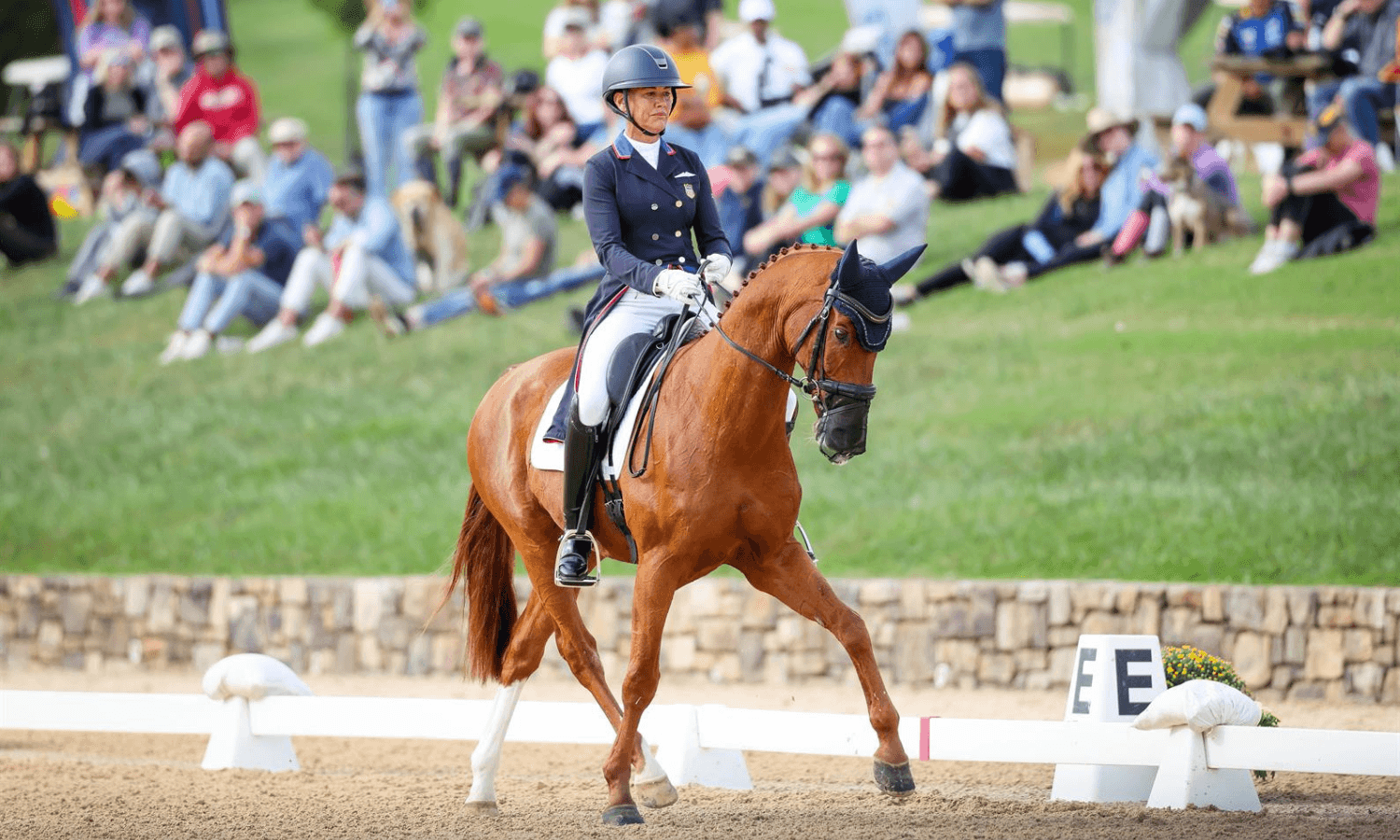
Smith & Danito Set the Pace in Record-Breaking Dressage, Leading an All-Female Top Three in the US Equestrian Open Eventing Final CCI4*-L
The dressage phase of the US Equestrian Open Eventing Final CCI4*-L concluded on Friday at Morven Park International Equestrian Center. Twenty horse-and-athlete combinations completed their tests in the Grand Prix Arena, making up the second half of the 36 total starters of the US Equestrian Open...
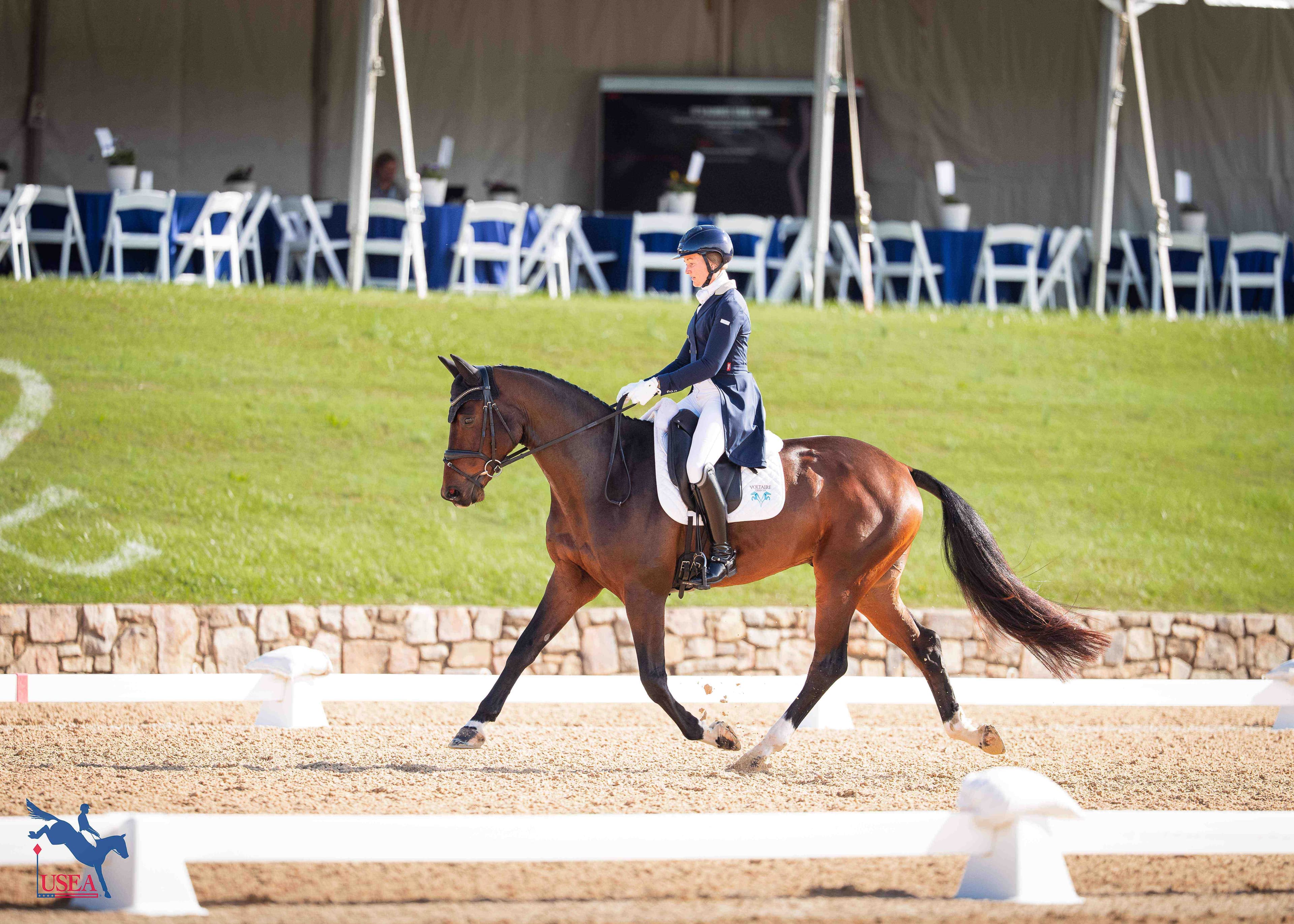
Prince of Oolde and Tip Top Quality Set the Pace on Opening Day of USEA/USEF Developing Horse Championships
The future stars of eventing stepped into the spotlight today at Morven Park International, where the 2026 USEF/USEA Developing Horse Eventing National Championships got underway with the dressage phase.
One Week Left to Apply for USEA Foundation Grants
The United States Eventing Association (USEA) Foundation encourages all eligible applicants to submit for eight grants and scholarships meant to support USEA members by next Thursday, Oct. 15. The USEA Foundation administers a variety of g...