The Respiratory Athlete
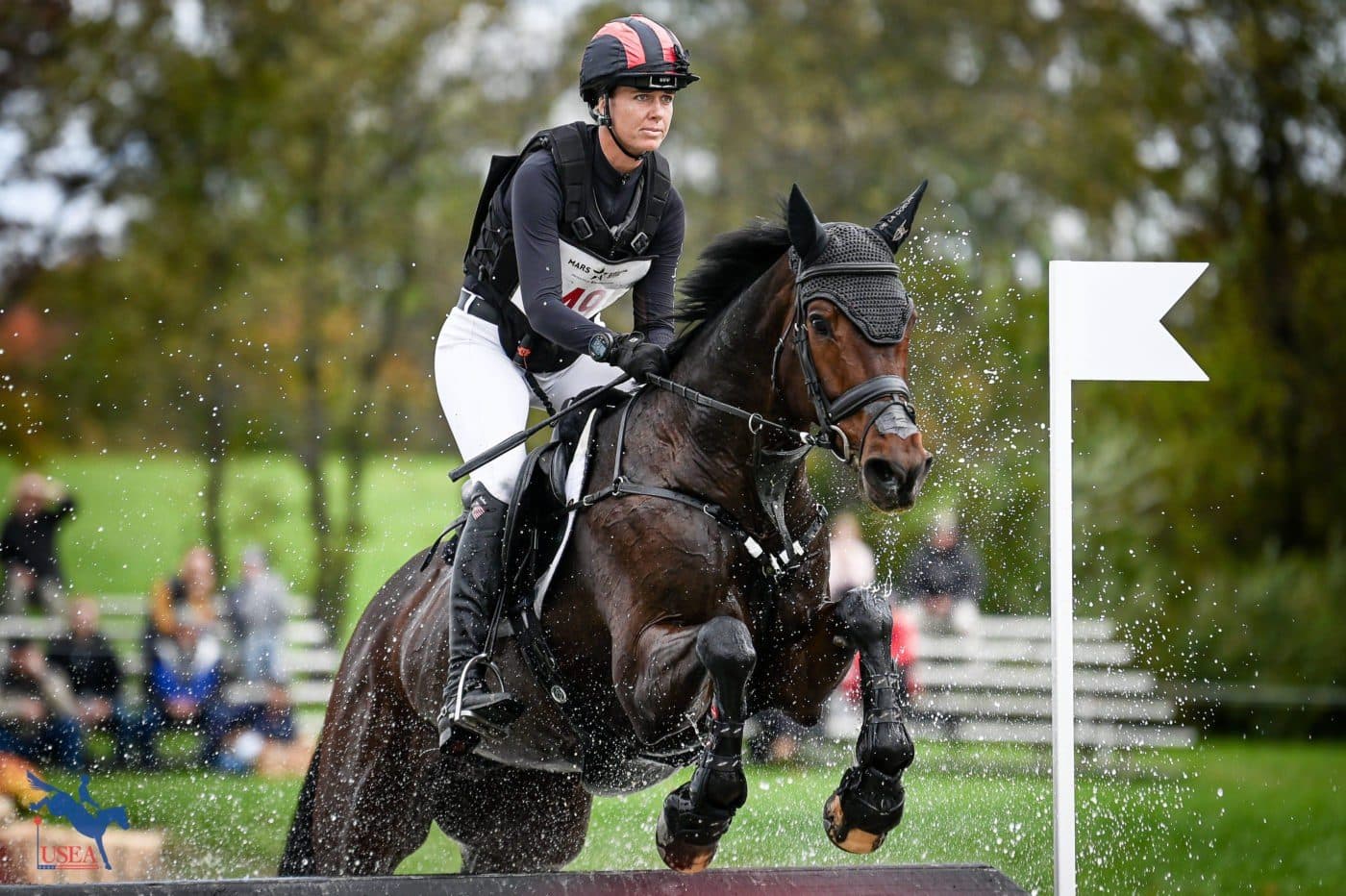
Eventers are masters of preparation.
Success across dressage, cross-country, and show jumping is rarely determined by one dramatic advantage. Instead, it comes from consistently doing many small things exceptionally well. Elite riders' condition for fitness, develop strength, balance, and rideability, manage soundness, optimize nutrition, prioritize recovery, and pay close attention to every detail that contributes to performance.
Yet one athletic system often receives surprisingly little attention: the respiratory system.
Every Athletic System Depends on Oxygen
Every stride, every jump, every acceleration, and every effort begins with energy. Producing that energy requires oxygen.
The cardiovascular system transports oxygen, but it is the respiratory system that first brings oxygen into the body. Every athletic system—from muscle to heart to brain—depends on its ability to move air efficiently.
In that sense, every performance horse is also a respiratory athlete.
Like any athletic system, the respiratory system operates under load.
Respiratory load is the physiological demand placed on the respiratory system. During intense exercise, horses must move enormous volumes of air while supplying oxygen to working muscles. The harder the respiratory system must work to move that air, the greater the respiratory load.
As respiratory load increases, more energy is devoted simply to breathing, leaving less available for the athletic performance itself.
Why the Nose Matters
Unlike humans, horses are obligate nasal breathers. They cannot simply open their mouths and breathe around a partially restricted airway.
Every liter of air needed for performance must pass through the nose.
The nasal passages represent one of the highest-resistance portions of the equine airway. During maximal exercise, horses may move more than 1,500 liters of air every minute. At those extraordinary airflow rates, even small increases in airway resistance require substantially more effort to breathe.
Breathing requires work.
That work comes from the same horse expected to gallop across country, negotiate technical combinations, maintain balance through dressage, and produce a careful show jumping round. Every breath carries an energetic cost, and every improvement in breathing efficiency helps reduce that cost.
Respiratory Efficiency
Elite horsemen understand that success is built by reducing unnecessary physiological demands wherever possible. Conditioning improves efficiency of movement. Nutrition improves metabolic efficiency. Recovery restores physiological capacity. Respiratory management deserves to be viewed through the same lens.
Its objective is straightforward: improve respiratory efficiency and reduce unnecessary respiratory load.
The goal is not simply to help horses breathe. Healthy horses already breathe remarkably well. Rather, the goal is to make an already exceptional respiratory system perform its demanding job as efficiently as possible under the extreme conditions of athletic competition.
From Respiratory Load to Respiratory Stress
Every athletic system experiences stress under load- muscles fatigue, bones remodel, tendons adapt-the respiratory system is no different.
As respiratory load increases, so does respiratory stress. During maximal exercise, the lungs and upper airway are exposed to extraordinary mechanical forces generated by the tremendous volumes of air moving through the respiratory tract.
One consequence of these stresses is exercise-induced pulmonary hemorrhage (EIPH), microscopic bleeding within the lungs that has been shown to be common in athletic horses. While EIPH is influenced by multiple factors, the substantial respiratory stresses generated during intense exercise are believed to be a significant contributor to its development.
Reducing unnecessary respiratory load therefore offers benefits that extend beyond performance. It also supports respiratory health and may help reduce the physiological stresses associated with high-intensity exercise.
Recovery Matters Too
The respiratory system's job does not end when the finish line is crossed.
Recovery begins immediately. Oxygen continues to be required to restore normal physiology, remove metabolic byproducts, replenish energy stores, and prepare the horse for its next effort. A respiratory system that performs efficiently during exercise also supports the recovery process that follows.
For event horses competing over demanding courses and throughout long seasons, protecting respiratory health is every bit as important as optimizing performance.
A New Way to Think About Performance
Elite eventers rarely search for one dramatic performance advantage. Instead, they systematically reduce unnecessary physiological demands throughout the horse's body.
Respiratory management belongs alongside conditioning, nutrition, recovery, and soundness as another component of comprehensive athletic preparation.
FLAIR® Equine Nasal Strips are one evidence-based tool that supports this approach. By supporting the nasal passages during exercise, FLAIR Strips reduce airway resistance, improve respiratory efficiency, reduce respiratory load, and have been shown to reduce the severity of exercise-induced pulmonary hemorrhage during exercise.
Because in every equine athlete, performance begins with breathing.

FLAIR® Equine Nasal Strips
Performance Starts at the Nose®
Related Articles
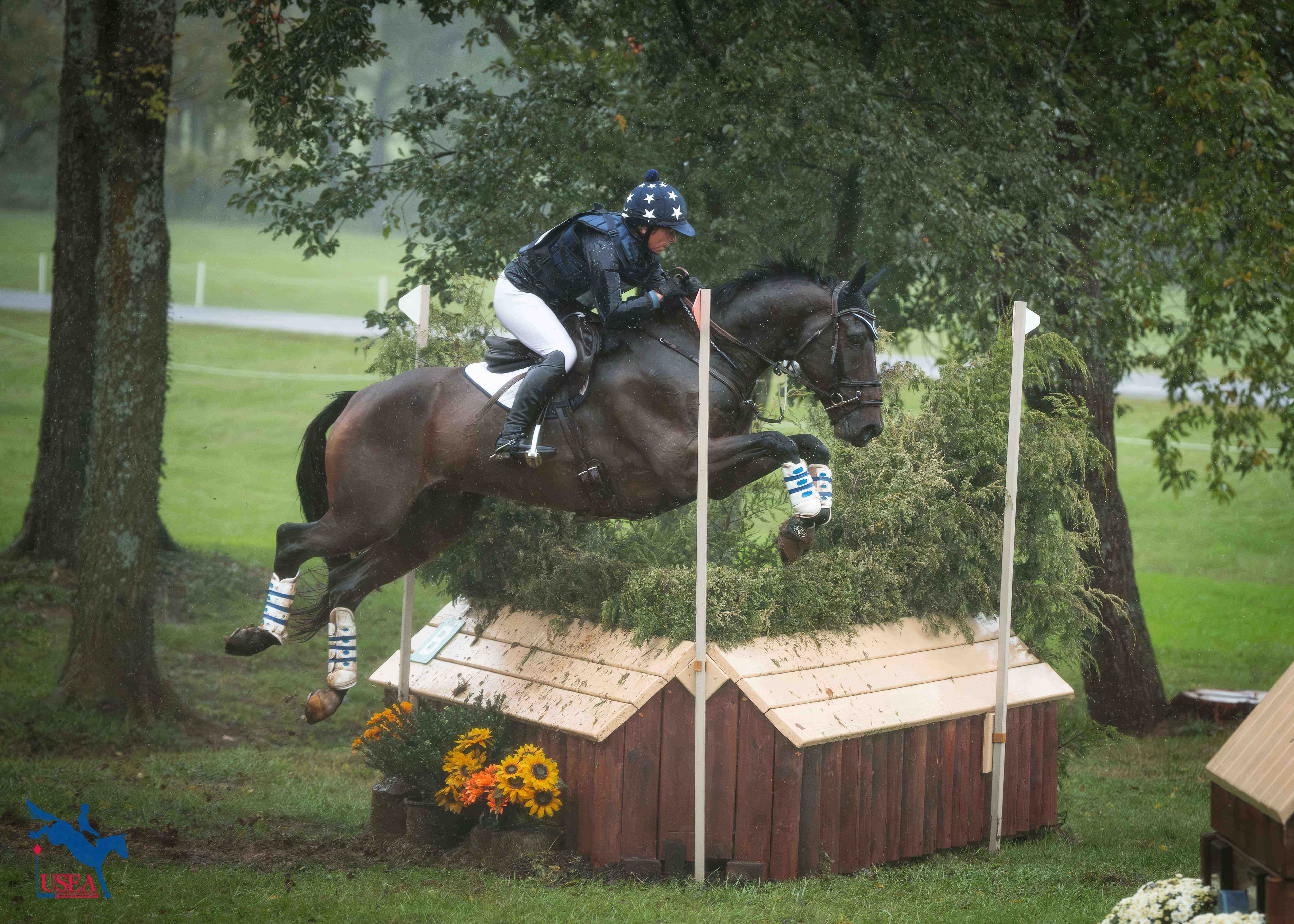
A First FEI Win for MHE Excel Star Noble Ikon and Morgan Houberg in USEA/USEF 6-Year-Old Developing Horse National Championship
Heavy rain overnight and into the morning turned the final day of the 2026 USEA/USEF Developing Horse Eventing National Championships into a true test of the young horses' confidence, athleticism, and determination at Morven Park International. When the final scores were tallied in the CCI2*YH-S ...
Orpheus Rises to the Top to Claim USEA/USEF 7-Year-Old Developing Horse National Championship
Consistency across all three phases proved to be the winning formula for the Dutch Warmblood gelding Orpheus, who rose from third place after dressage to claim the 2026 USEA/USEF 7-Year-Old Developing Horse Eventing National Championship at Morven Park International on Saturday. Owned by Cellar F...
Coleman and Off The Record Take Over the Lead After Cross-Country at US Equestrian Open Eventing Final CCI4*-L
Cross-country day at the US Equestrian Open Eventing Final CCI4*-L delivered a major shake-up on the leaderboard. Thirty-three horse-and-rider combinations tackled Derek di Grazia’s (USA) challenging 6,000-meter track at Morven Park International Equestrian Center in Leesburg, Va. Will Coleman (O...