The Event College at AEC: Max Corcoran Talks Studs, Care for Your Horse after Cross-Country
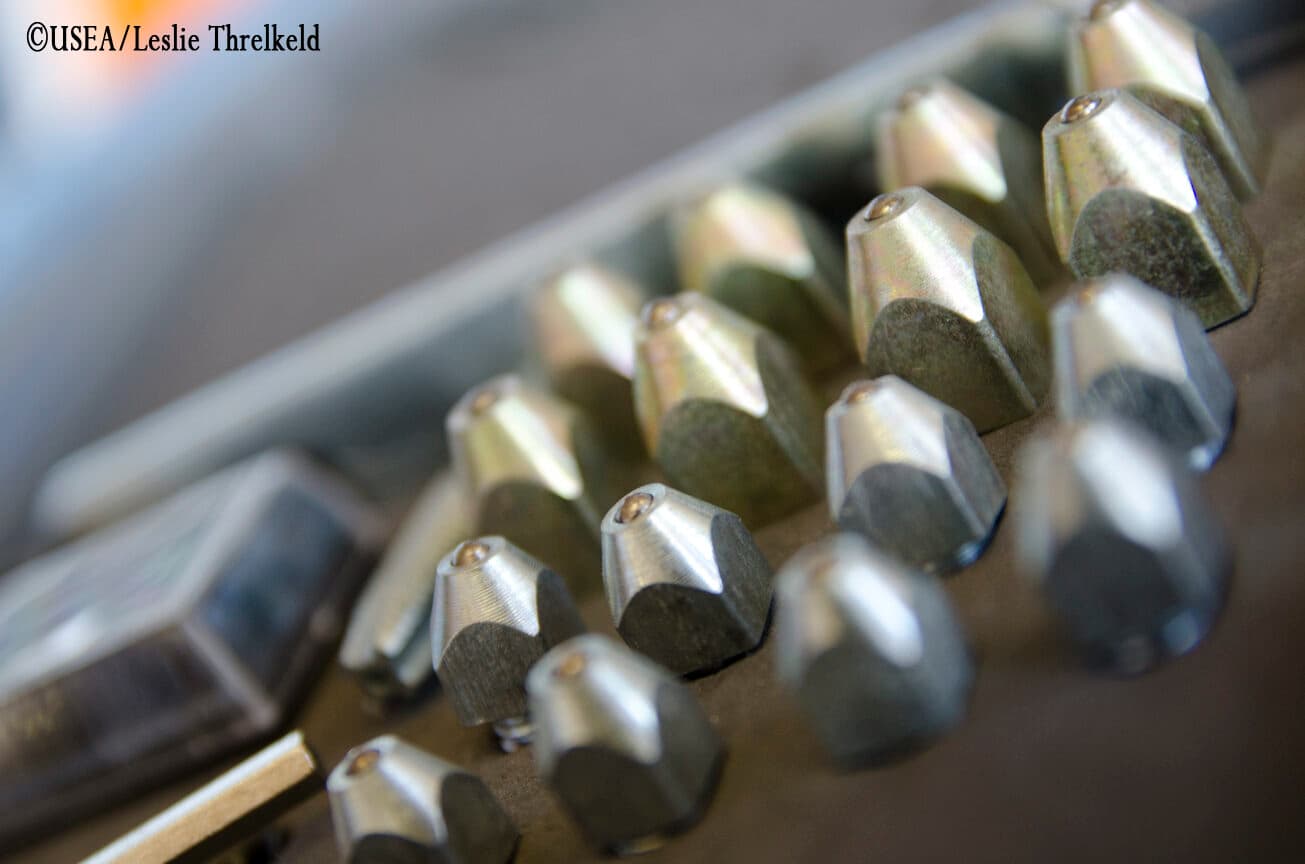
In a continuation of The Event College held all week at the Nutrena USEA AEC, presented by VTO Saddlery, world-renowned groom Max Corcoran gave an interactive lecture on caring for your horse on cross-country day, including how to choose studs.
Here are some of Max’s tips on when and where to stud your horse and how to give him the best care possible after a strenuous cross-country round:
- After you get off of cross-country, let your horse drink as much water as they want. It’s an old wives tale that you should limit their water intake when they are very hot. If they can drink an entire bucket of water, it will help cool them down.
- After your round, pull your horse’s tack off but leave his boots on until their studs are out. If you take the boots off and the studs are still in, you run the risk of your horse kicking himself with his studs. Give the horse about 20 seconds in his stall alone before you start the cooling process; sponging cool water on the major muscle groups and immediately scraping it off will help him cool off quickly.
- After the horse has cooled down and respiration is normal, give him time in his stall alone to relax before you begin icing the legs and feet. Once you start icing, do 20 minutes of ice followed by 20 minutes of rest without ice, and repeat as needed. You can ice your horse with whatever method he will tolerate; a muck tub full of ice water, ice boots or whirlpool boots are all good ways to cool your horses’ legs down. Teach them to ice at home; never try to ice them for the first time at a show.
- Max says that she could never convince Karen O’Connor’s super pony, Theodore O’Connor, to stand in an ice bucket, so she put tubi-grip around the pony’s legs and stuffed it with ice and covered with a polo wrap.
- Max is a fan of wrapping their legs for the night, as it provides compression and keeps liniment or poultice in place.
- Walk your horse to let him graze and stretch. However, horses should be allowed plenty of quiet time without people around so that they can rest and sleep. Don’t stand outside your horse’s stall for hours on end chatting with your friends.
- Max says that it is a misconception that you have to stud for cross-country. In fact, some horses run around the upper levels without shoes on. However, if you are running fast on slick or muddy ground, you may want extra traction. Things to consider when you are deciding on studs include the time of day that you run. Will the morning dew still be on the ground, or will the course be chewed up by other horses by the time you get out there?
- As the ground gets harder, you may want different sized studs on the outside and inside of the hoof, but Max advises that sharp studs should never be used on the inside of the foot as the horse can cut himself easily, and the larger studs should always be on the outside of the foot.
- There are four basic types of studs: road studs, grass tips, blocks and bullets. If you are unsure of what studs to use, feel free to ask someone in the barn what they are using, or ask your coach.
- Remember throughout the course of the year to give your horse ample time off. Max commented that European horses typically have longer career spans than American horses, perhaps due to the frequency that we compete in the States. “We have the ability to compete every weekend and across all levels. We don’t give our horses enough rest,” she said. “They should get to be horses and just be dirty and happy and feral, and be brushed off just enough to have a blanket put on their backs.”
Interested in learning more? If you are at the AEC this week, there are lots of educational opportunities. Meet course designer Captain Mark Phillips at the Adequan Loop on cross-country at 2:00 p.m. to watch from a designer's perspective. The Event College will also be at the Lonstar Water Jump on cross-country at 4:15 p.m. to discuss cross-country techniques.
Related Articles
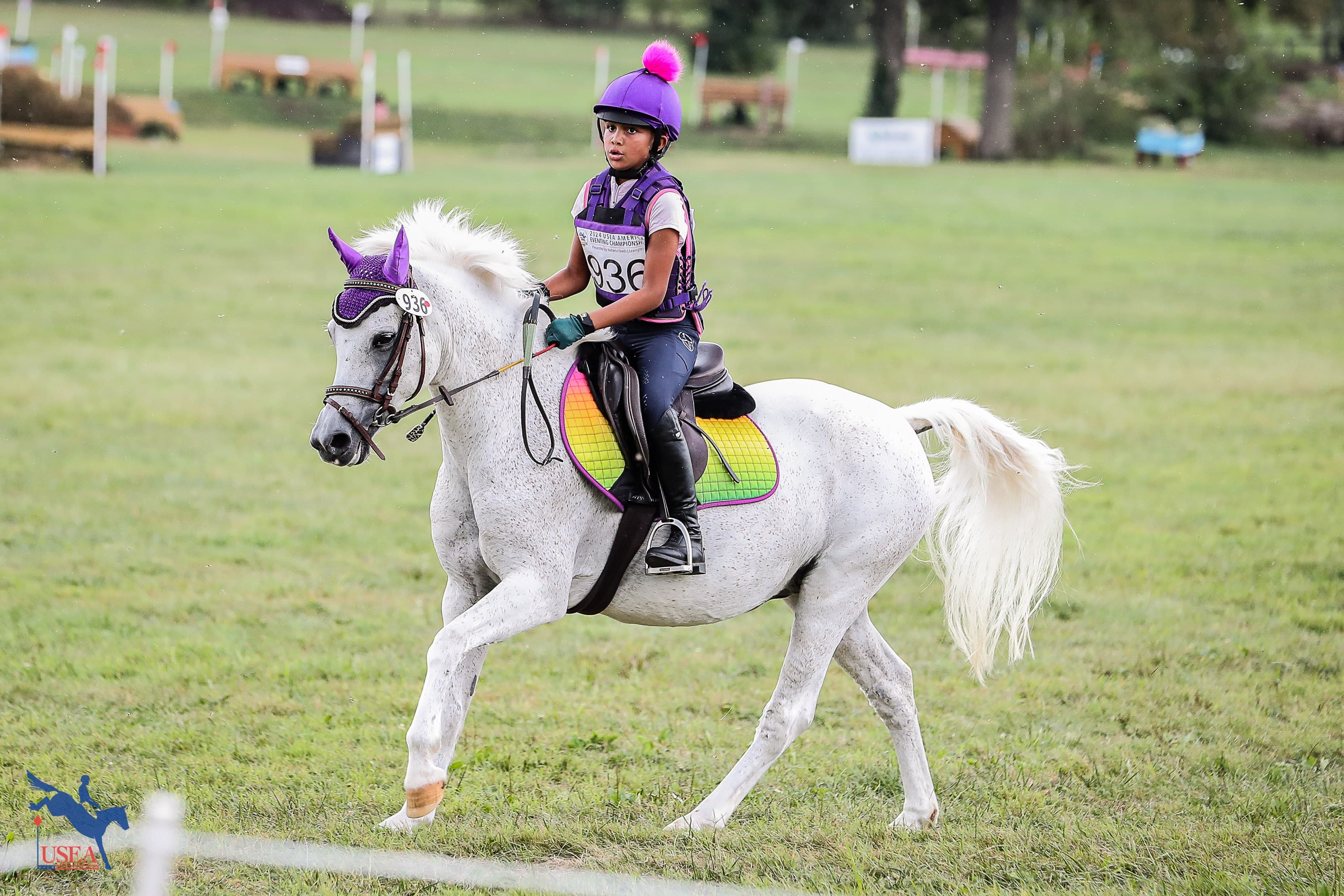
USEA Board Approves New Intro Level
Growing the sport of eventing in the United States remains a central goal of the United States Eventing Association (USEA) and its Membership Committee. Through feedback from members, coaches, and prospective participants, a common theme emerged: while interest in the sport is strong, the cross-c...
USEA Podcast #412: The Stories that Defined Kentucky
Fresh off of the heels of a U.S. win at the Defender Kentucky Three-Day Event, the crew sits down to recap the weekend in the bluegrass and all the pairs that impressed during the CCI4*-S and CCI5*-L competitions. From well-deserved wins, to horses who won our hearts, to a moment that USEA CEO Ro...
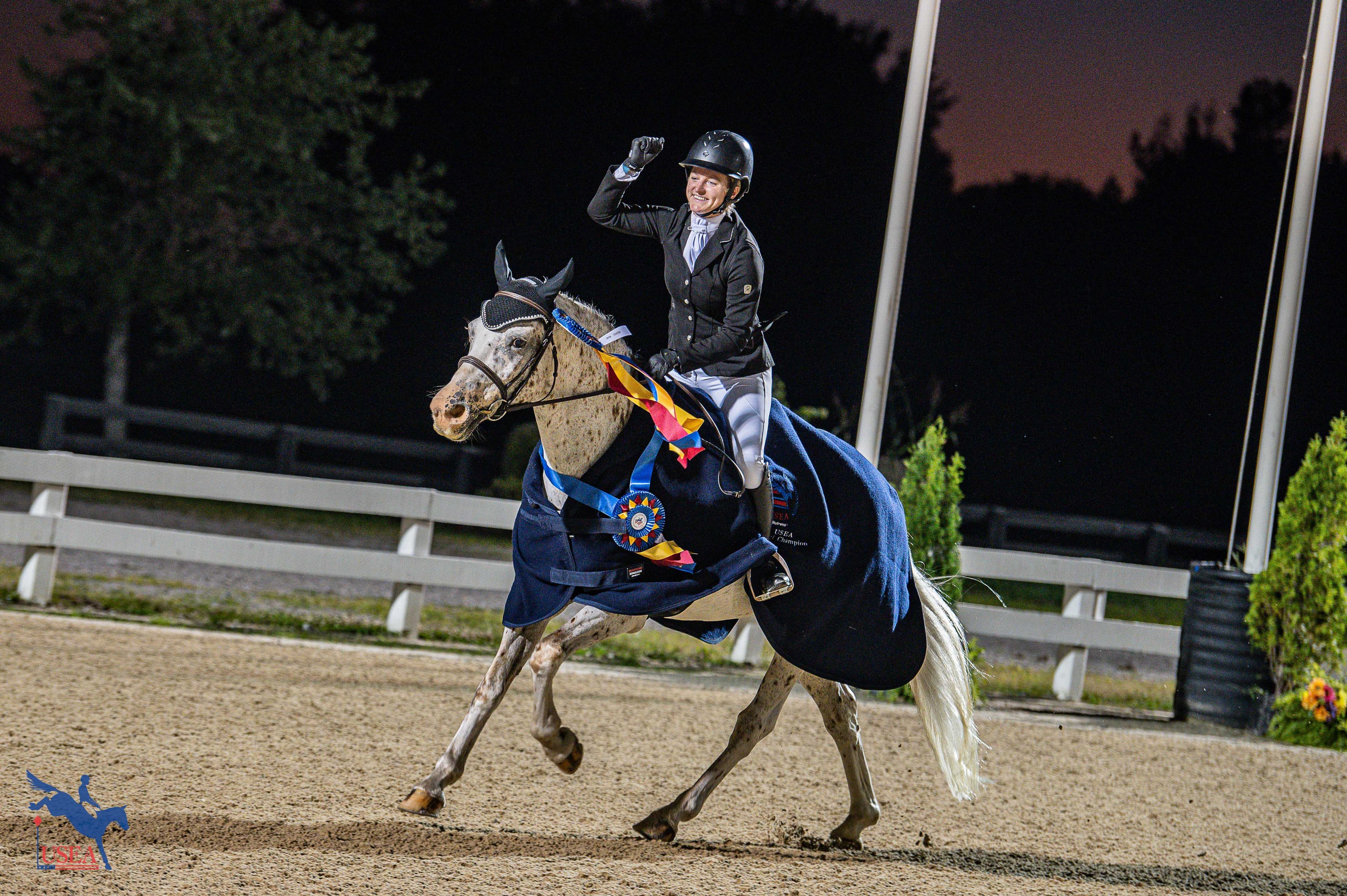
The Countdown to the 2026 USEA American Eventing Championships presented by Nutrena Feeds is On!
The 2026 United States Eventing Association (USEA) American Eventing Championships (AEC) presented by Nutrena Feeds is headed back to the Kentucky H...