Ride the Square. Be Aware: USEA EA21 East II Clinic, Day I Recap
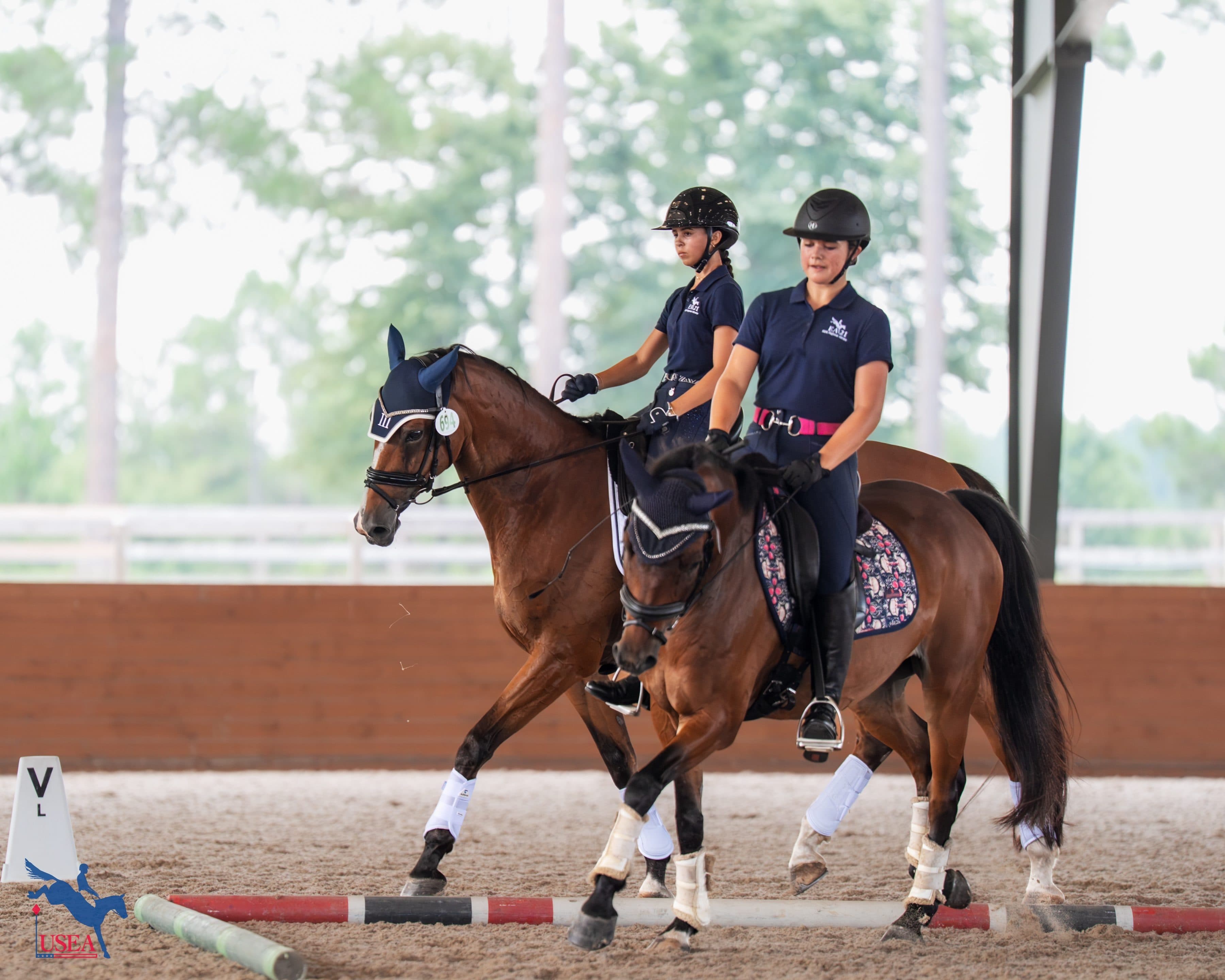
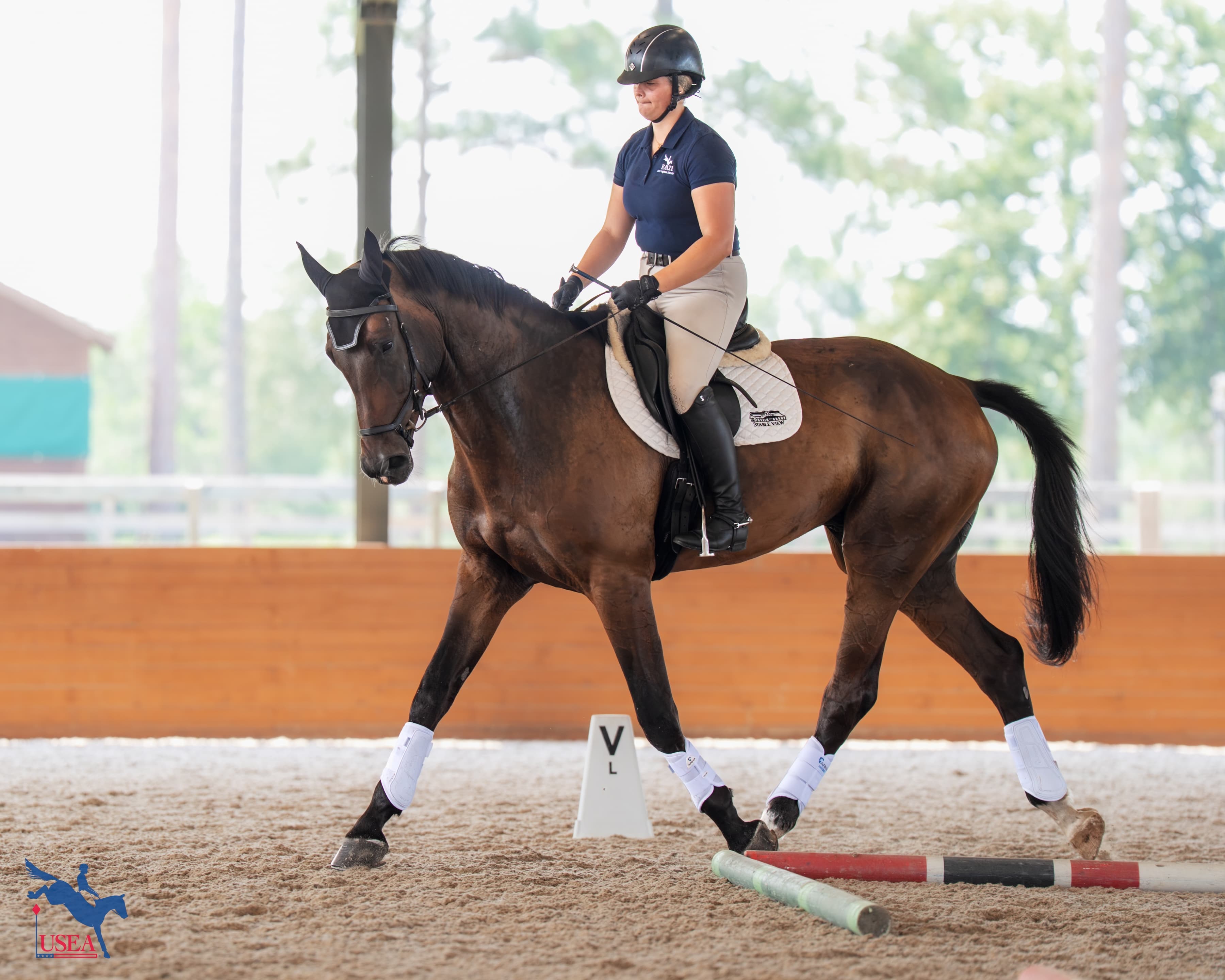
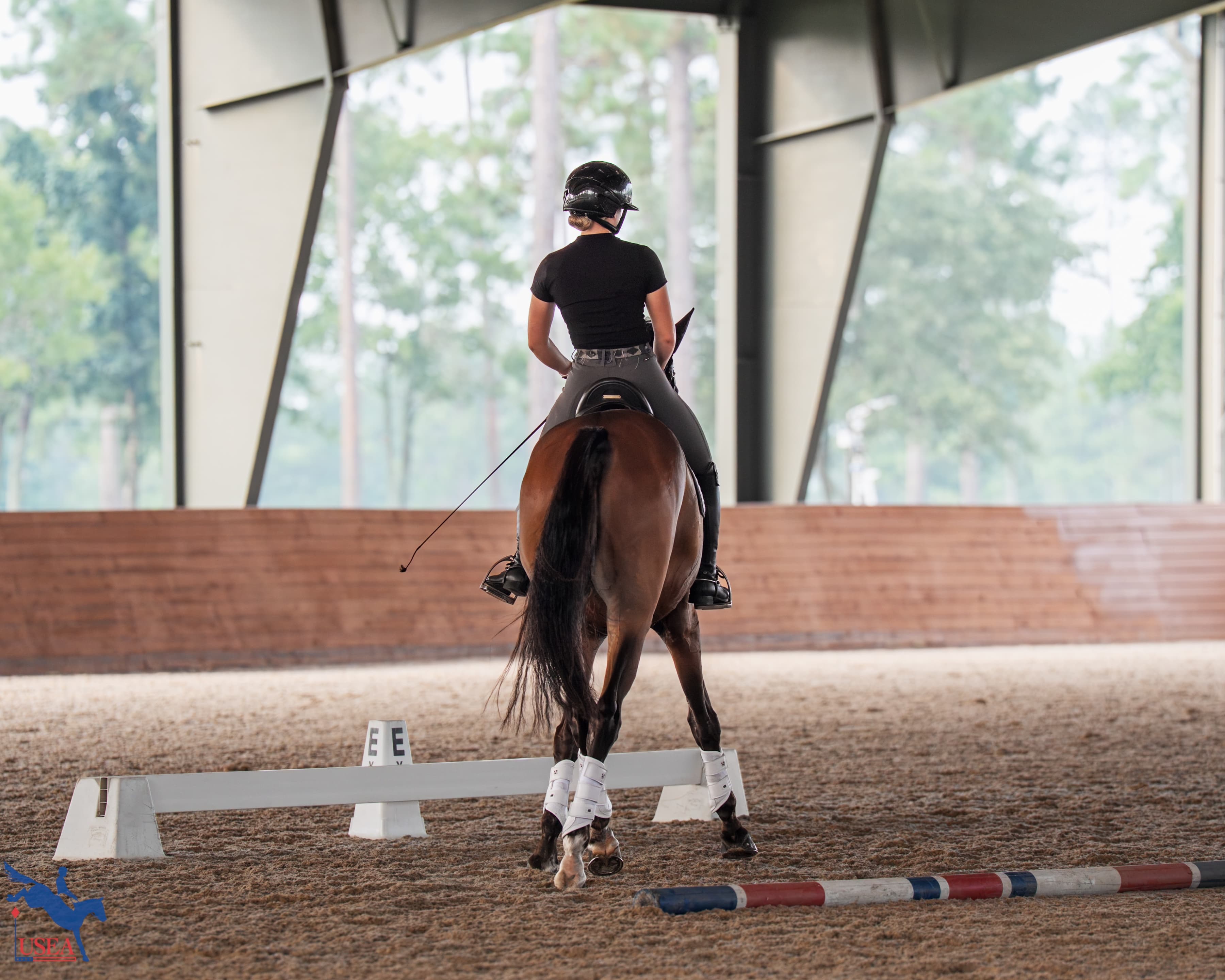
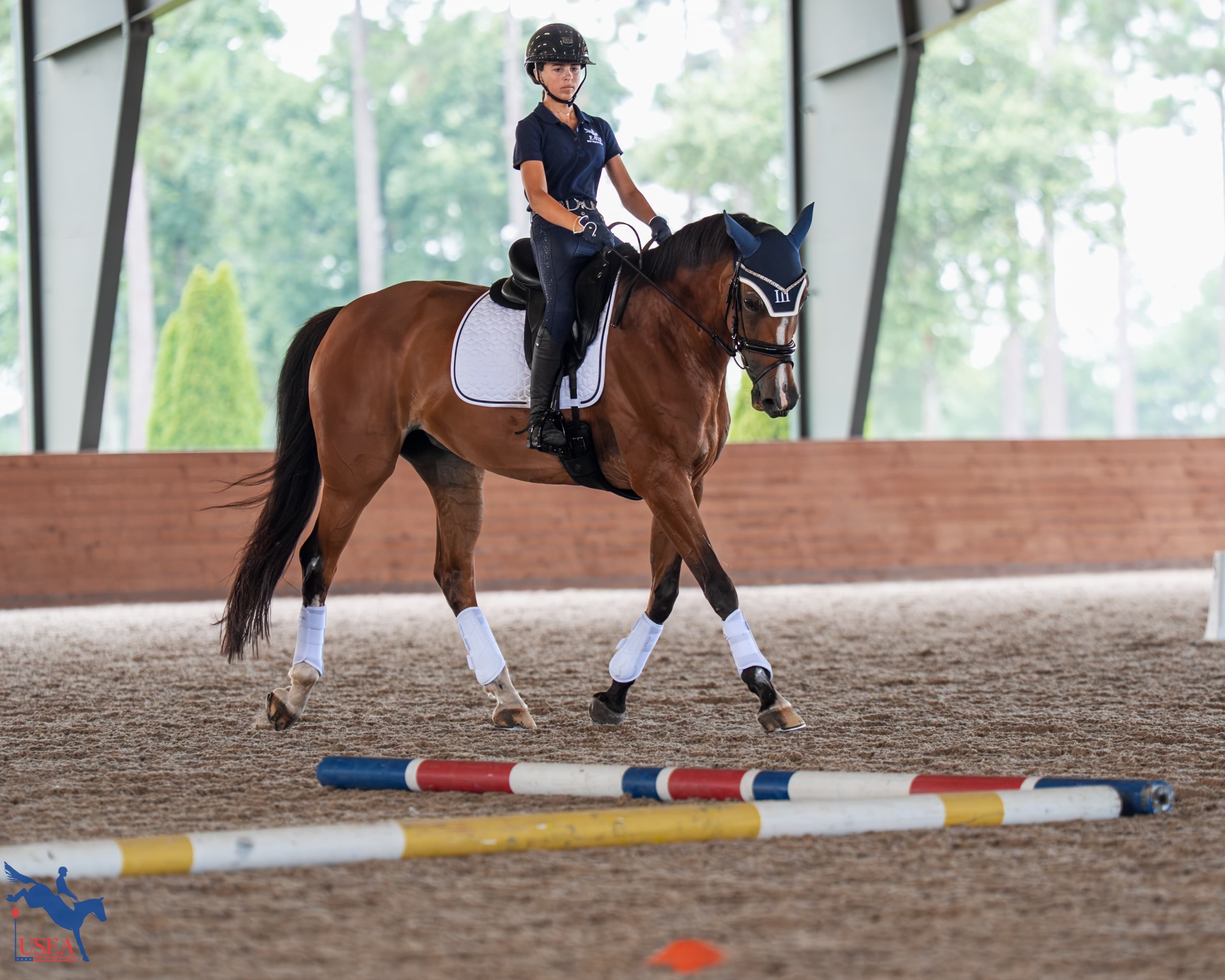
Aiken, S.C.—July 28—A familiar sight in the form of a dressage arena greeted the 12 horse and rider pairs selected for the USEA Emerging Athletes U21 (EA21) East II clinic at Stable View in Aiken, South Carolina. What was unfamiliar was the 11x11m ground rail square, built directly over “X” in the middle of the traditional white boards and letters. A new creation of coach Emily Mastervich, the square’s purpose was quickly apparent: “Where are the holes I need to be aware of in my horse’s training?”
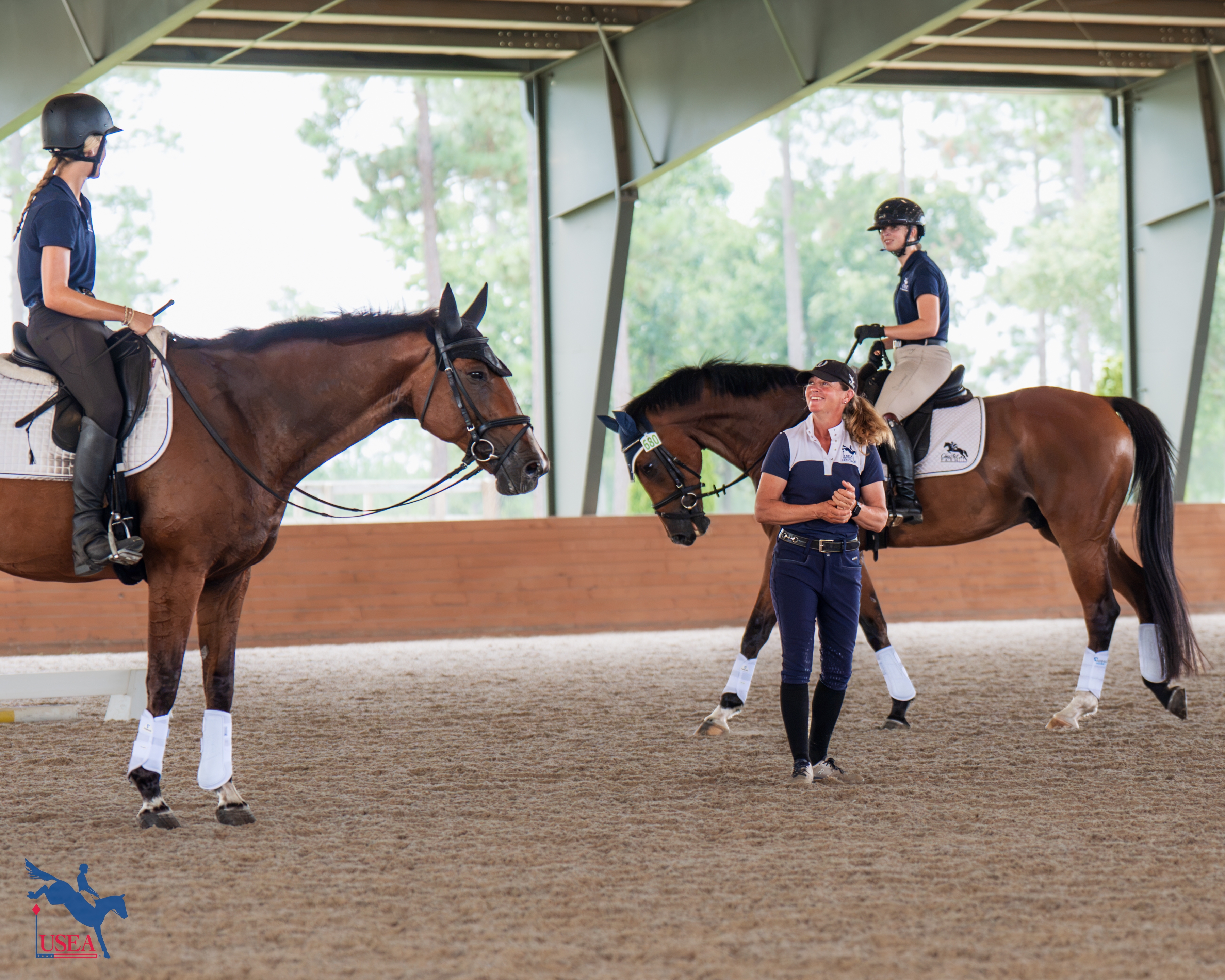
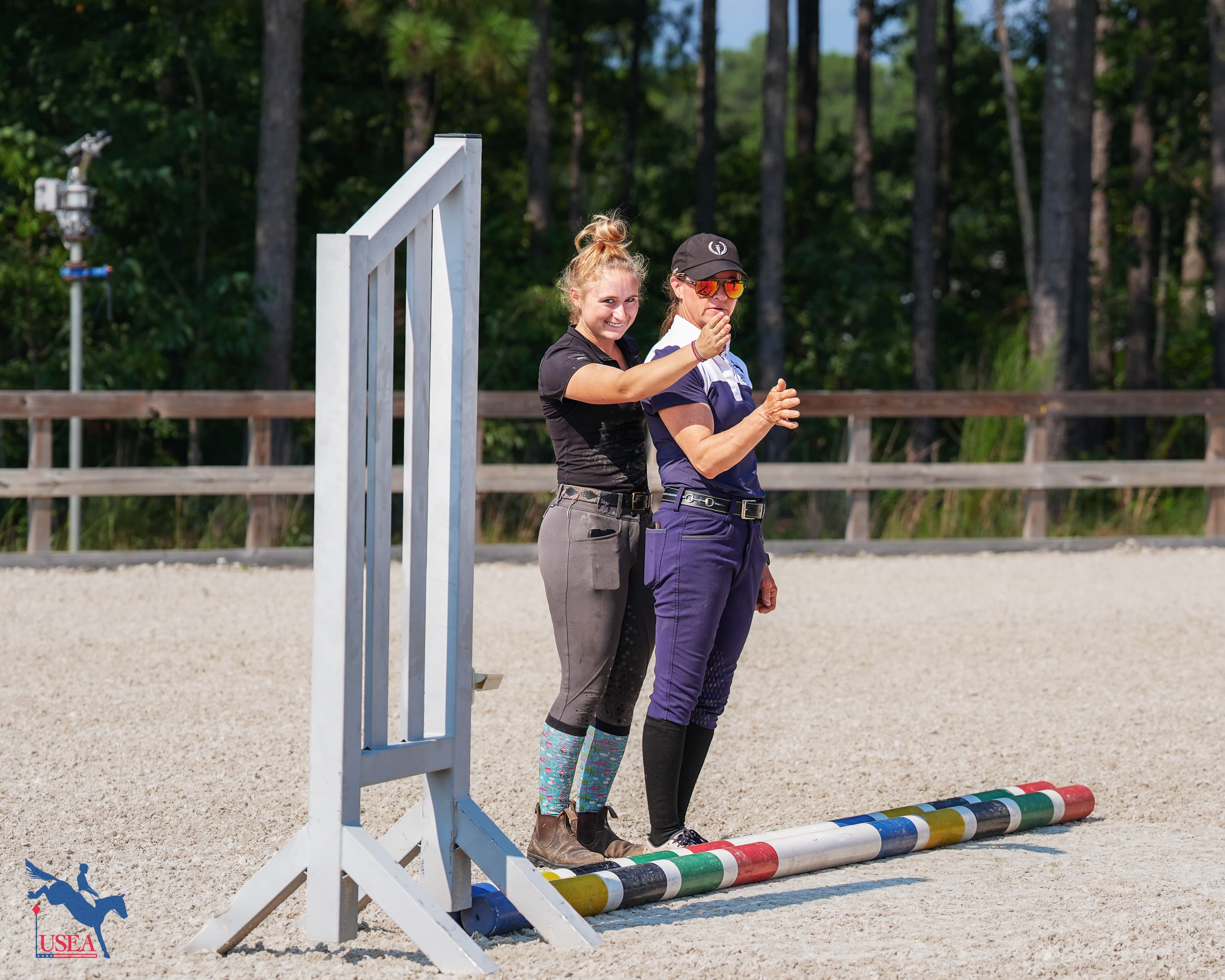
Each session consisting of two horse and rider pairs began the day going through various preliminary exercises around the square in order for Mastervich to assess the current strengths and weaknesses of the pairs.
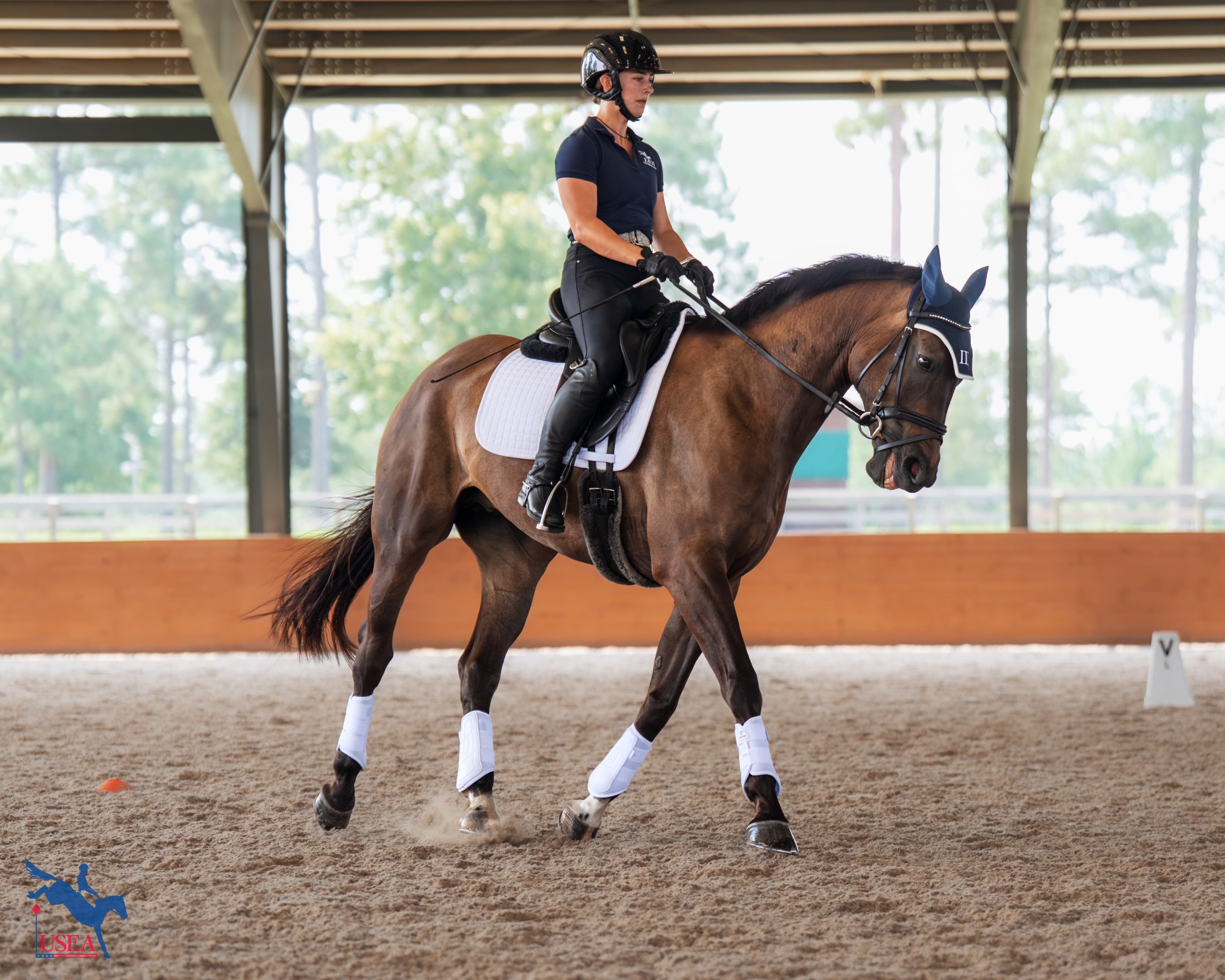
“We talk a lot in dressage about riding through the corners,” she explained. “But many times we lose track of the outside aids and let rails do the work for us. This setup gives us a better sense of the horse’s alignment and overall straightness.” The idea is brilliantly simple. You’re still riding a square corner, but the rails are on the inside meaning the rider’s outside aids must do all the work.
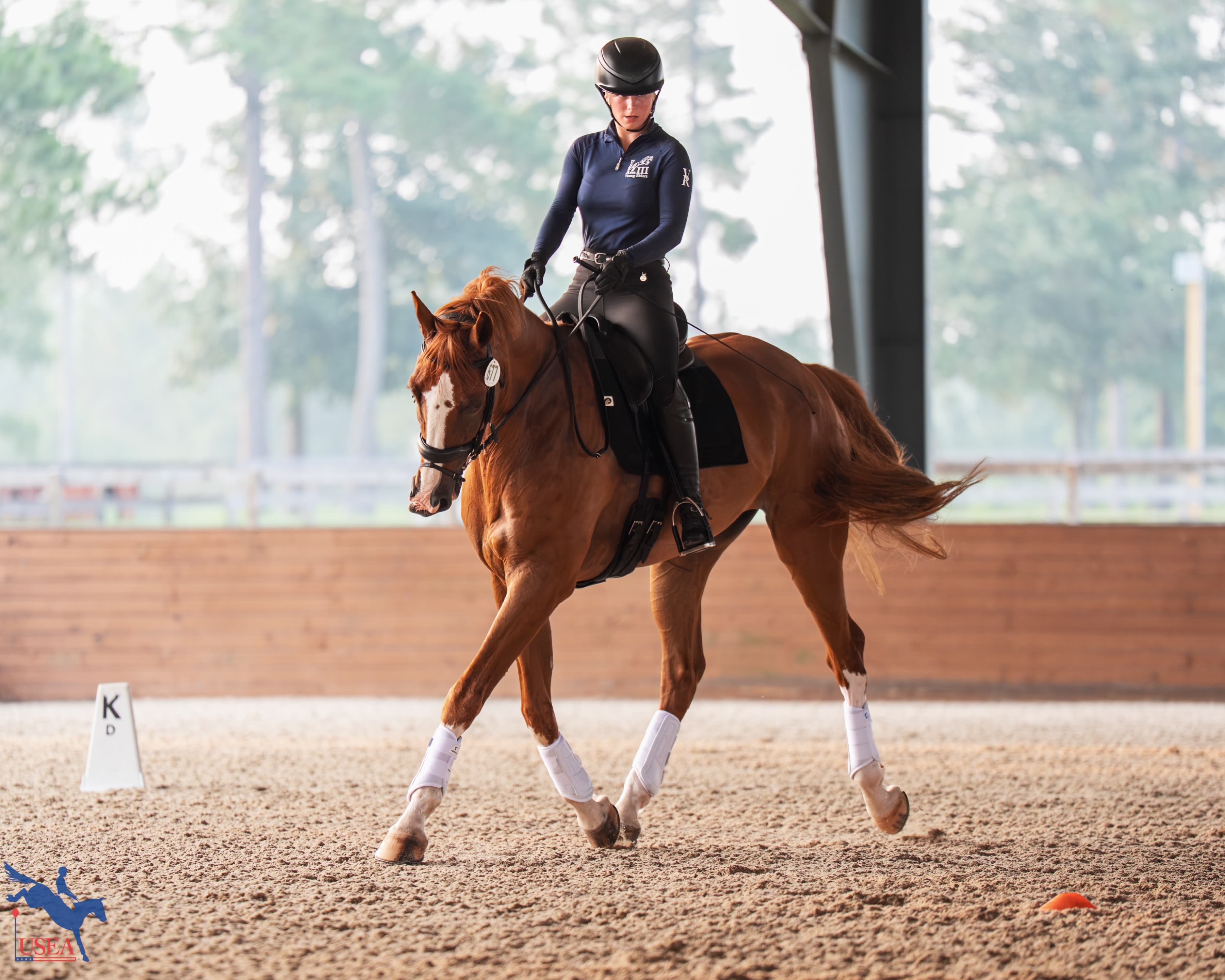
This exercise effectively revealed where each pair needed to fill in the gaps. Depending on her findings, Mastervich had riders turn on the forehand around the corners, do transitions along the sides, ride shoulders fore through the corners, or expand their work to the rest of the arena. Whatever mix of exercises best addressed their needs.
“I incorporate quite a lot of lateral work,” Mastervich noted. “This keeps the riders thinking quickly because things come up quickly. It’s a focus exercise as well.”
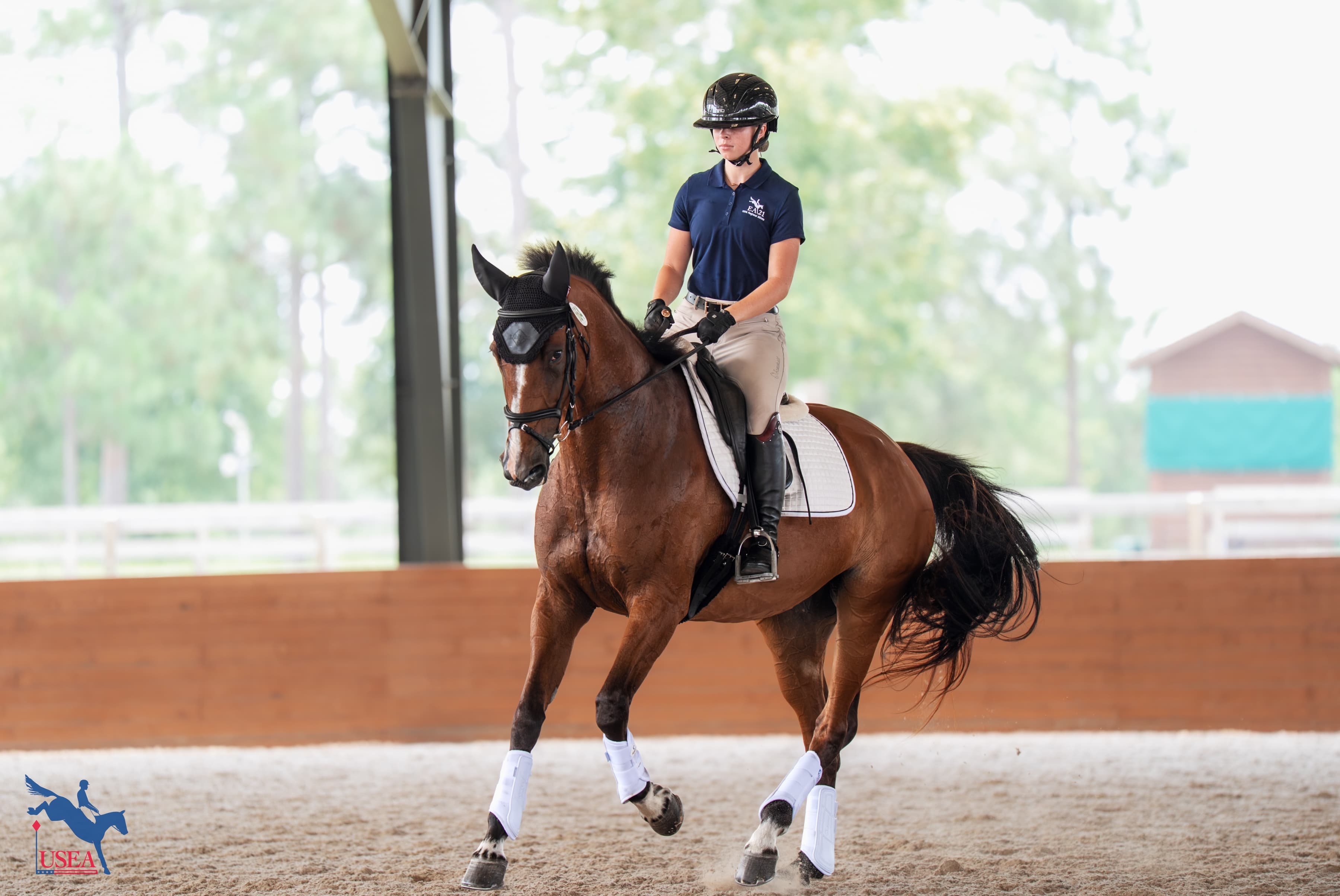
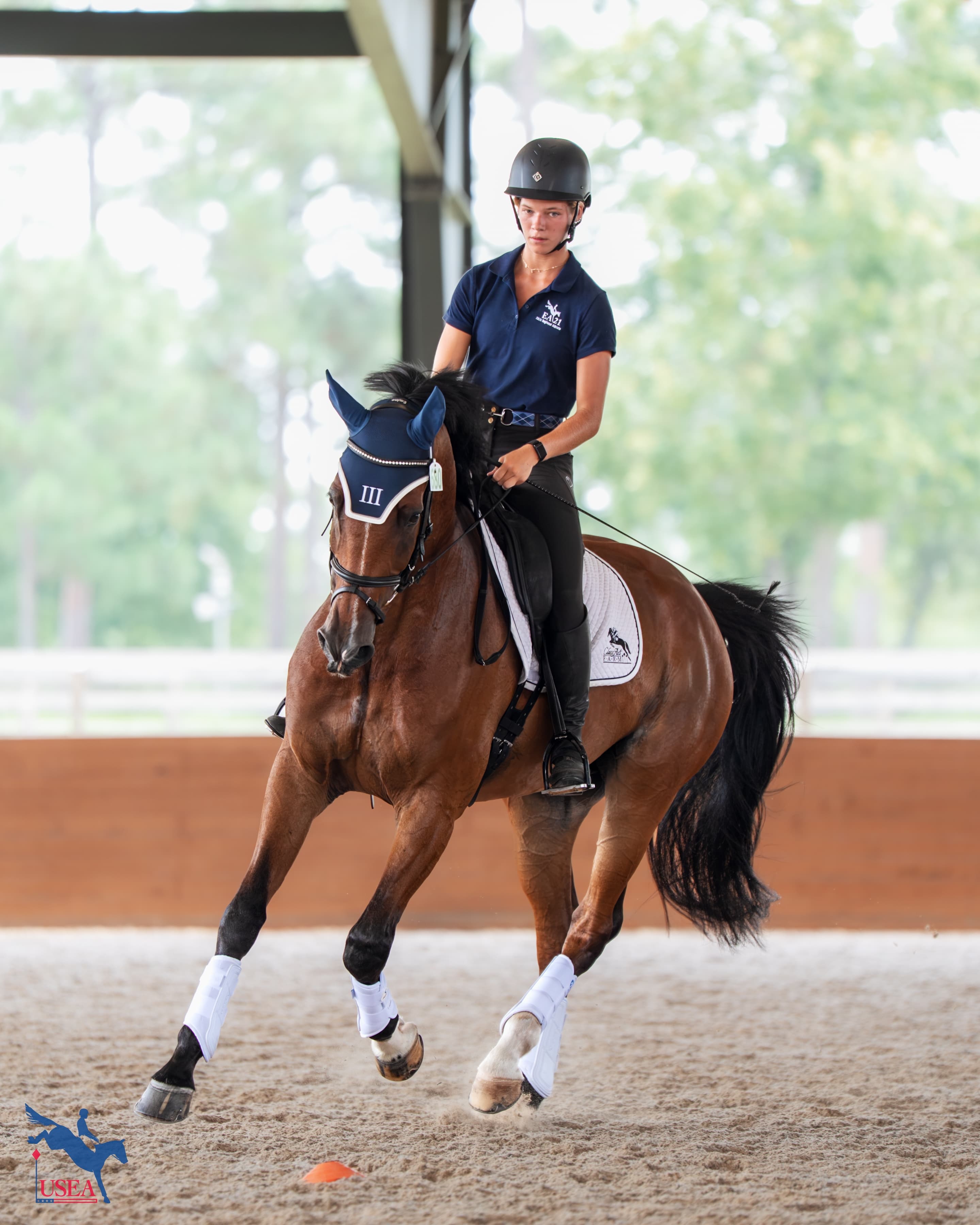
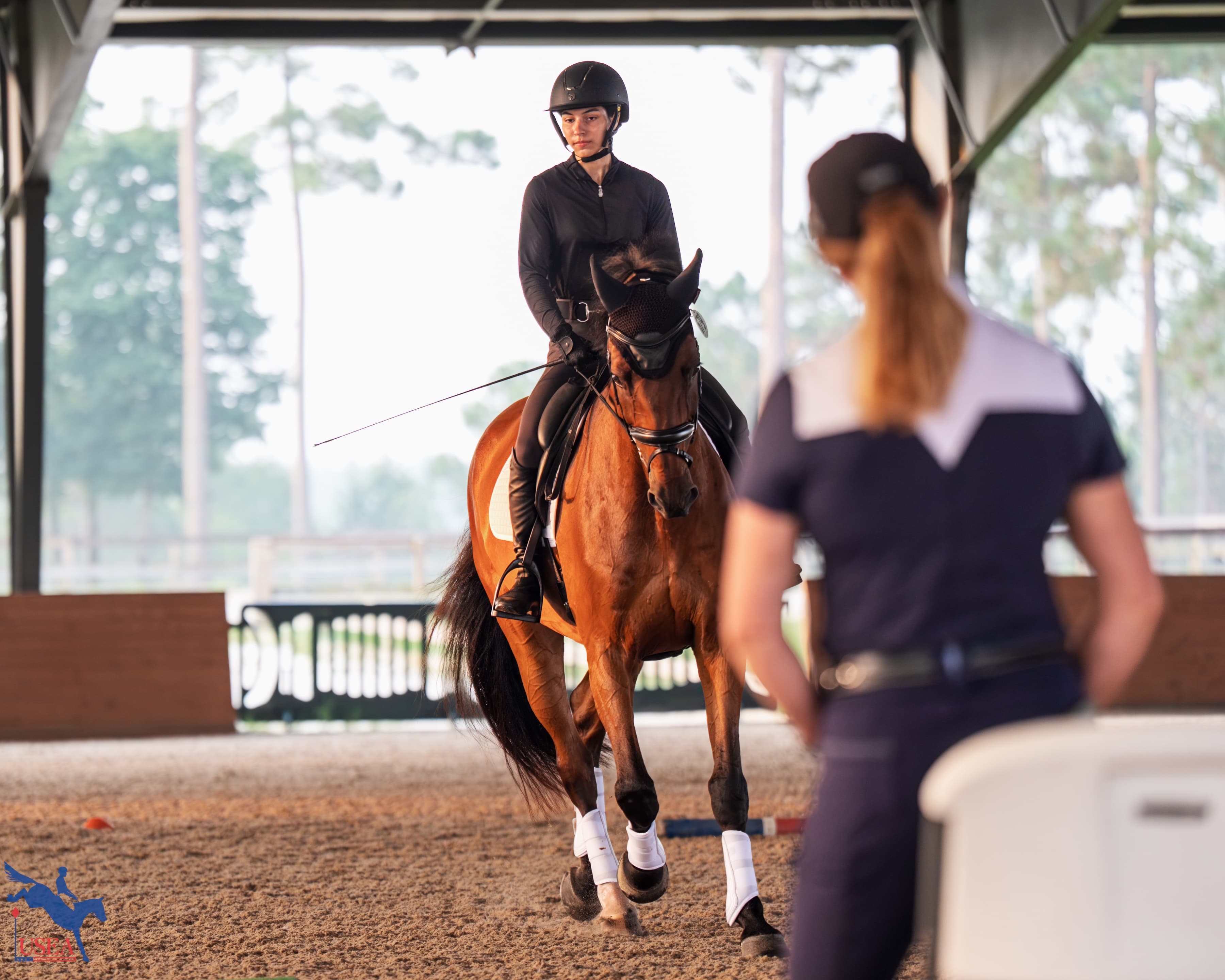
Quick thinking was indeed necessary for all the athletes today, but especially for Victoria McCallum and Catherine Frank, who each took a turn aboard Rockmoninov, the 18hh Westphalen gelding. At just 5 years old, “Rocky”, a generously donated catch ride from Infinity Sport Horse LLC, is still learning where to put all his miles of legs. With a stride almost the length of the square, both riders quickly realized being one step ahead in their aids was essential.
“He’s really big,” laughed McCallum. “By the time you get out of one corner you’re already going to the next, so it’s all about being ready the whole time.”
Frank agreed wholeheartedly. “When we swapped horses, asking for the transitions and lateral work a bit quicker really helped Rocky find his balance and challenged him to step through [the transitions] more honestly.”
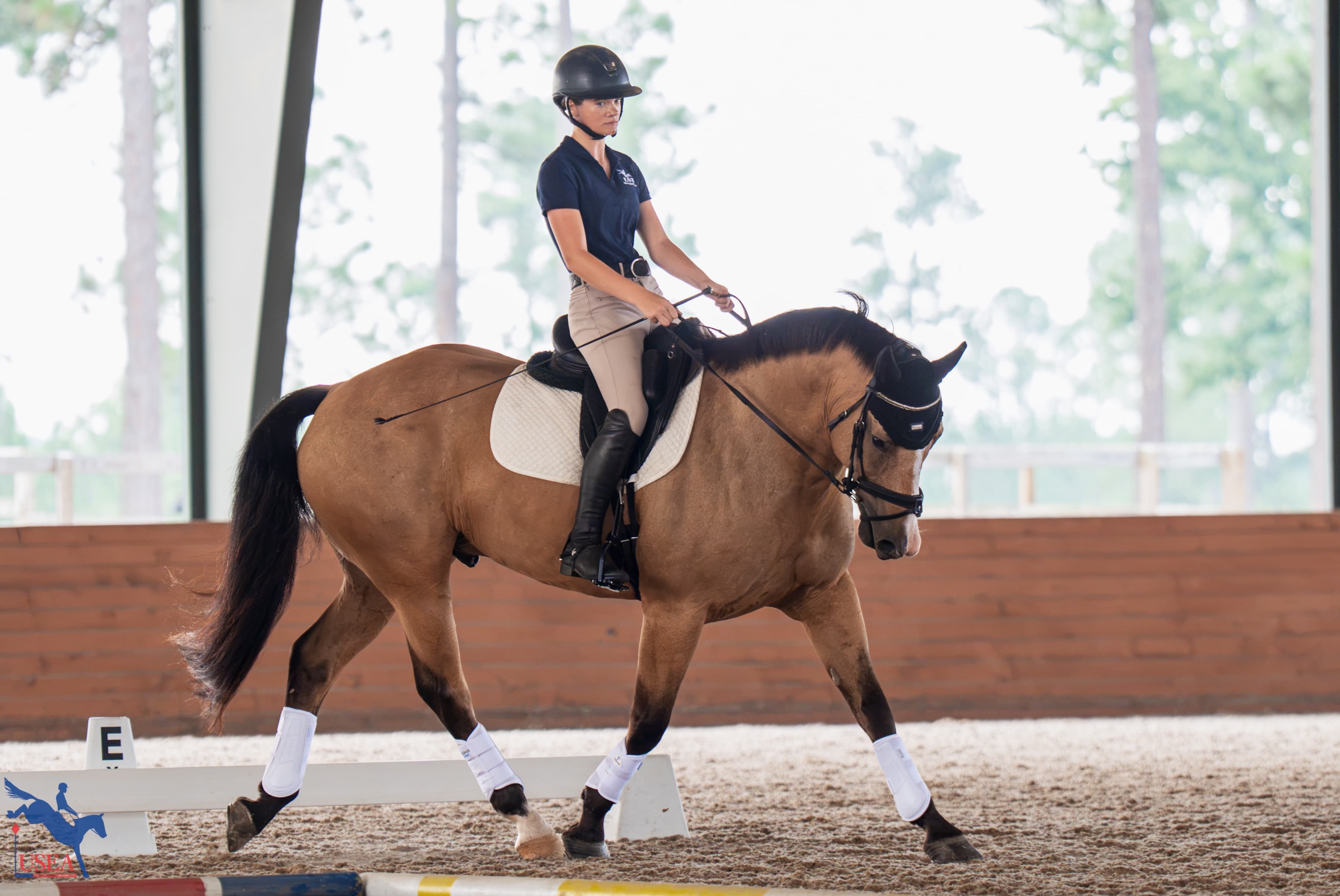
But it wasn’t only the giants that benefited from the square today. Way Too Marvelous BSR and Addison Borton were actually put inside the square for their early exercises. Why? “Peter” the 10 year old Welsh/Thoroughbred cross is just 14.1 hands and “it was just too easy for him!” Mastervich elaborated on her change in tactics: “the pony was having a really easy time with what we were asking him to do, so we needed to find a way to challenge him just a little bit more. He’s naturally very compact and straight, so the smaller space was the best way to show [Borton] where those next pieces of the puzzle fit in.”
The need for awareness and forward thinking didn’t vary with the horse’s size. “Even if [the aid] messes up the pattern, I want you to start to ask the question before you need the answer in the transition,” Mastervich instructed.
An EA21 first timer, Borton is enjoying both the challenges in the arena and the networking opportunities outside the ring. “I like being challenged with Peter,” she expressed. “It was really cool trying something out of our comfort zone. And it’s fun meeting all these riders in person. I’ve seen a lot of them on Instagram and being able to make friends with them in real life is really special.”
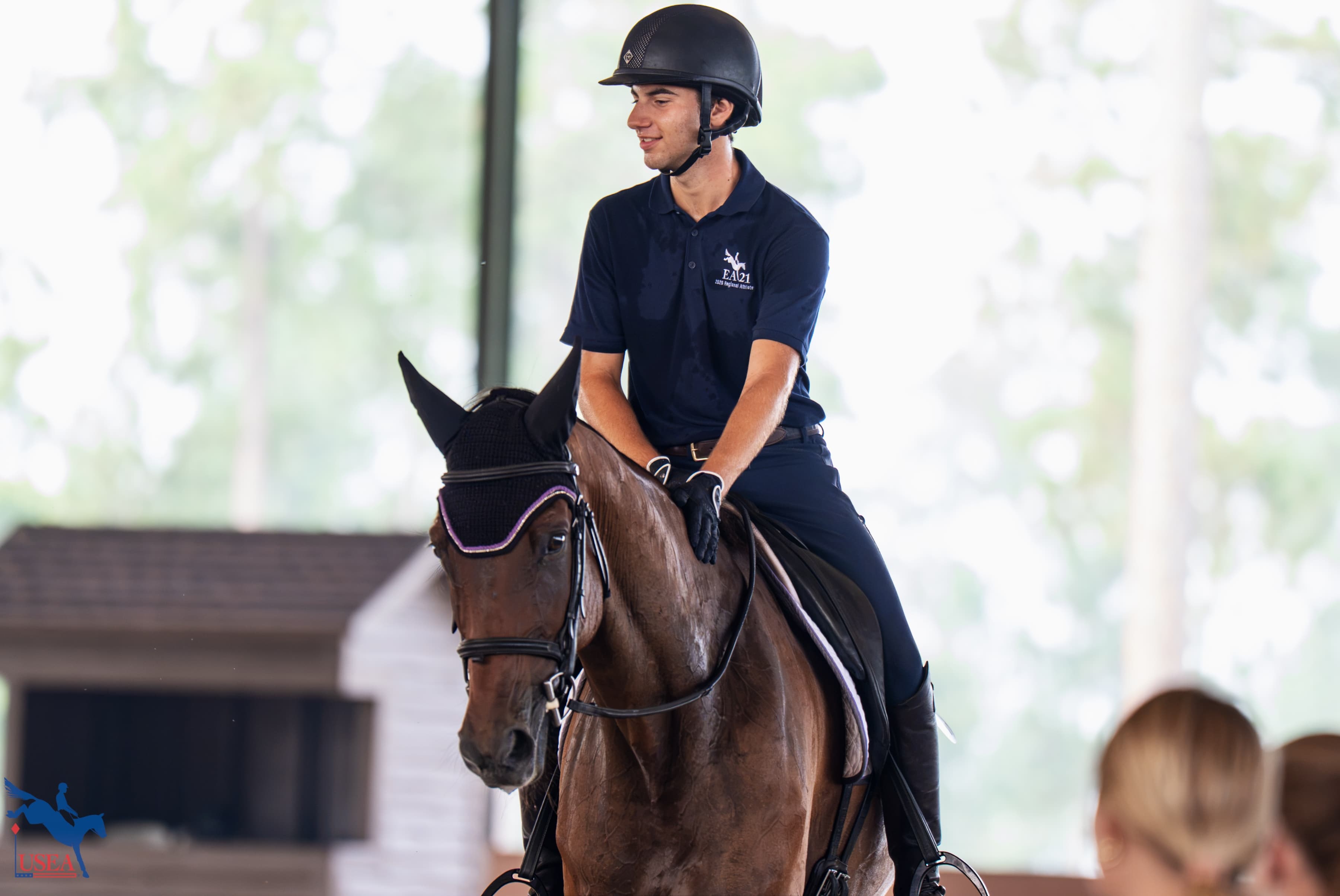
Katelyn Smith is in her second year of the EA21 program. “I really enjoy this program,” Smith confessed. “This year with Emily is really different. Last year was focused heavily on our partnerships with our own horse and this year it seems to be more focused on foundation, basics and taking that to a different horse.”
She shared her thoughts on the square exercise as well: “When you’re just going around an empty ring, you can get complacent. When you have the square in the middle it tells on you! I could feel when I’d come around the turn and my haunches were falling in or my shoulder was falling out. You realized so early on where you were struggling.”
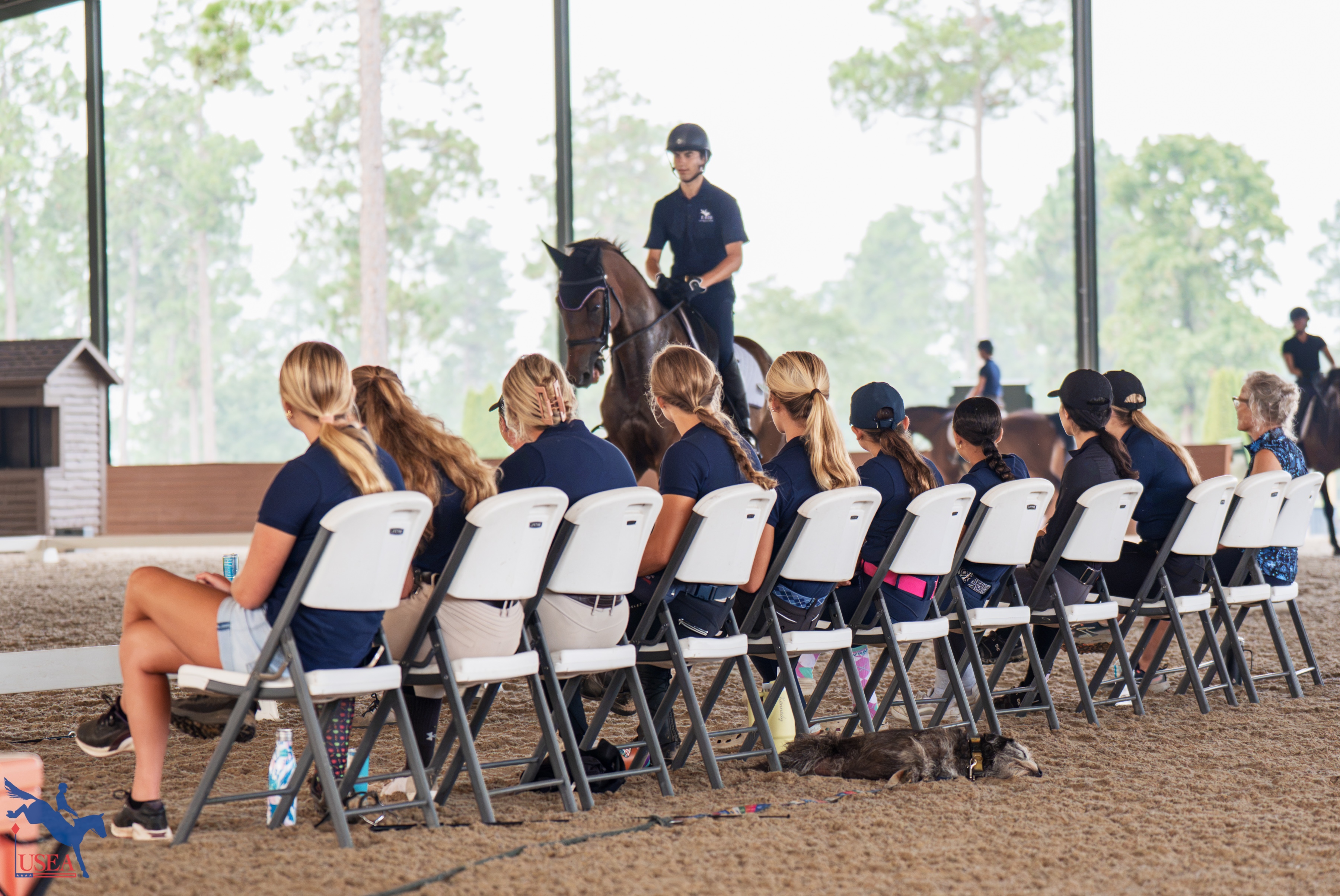
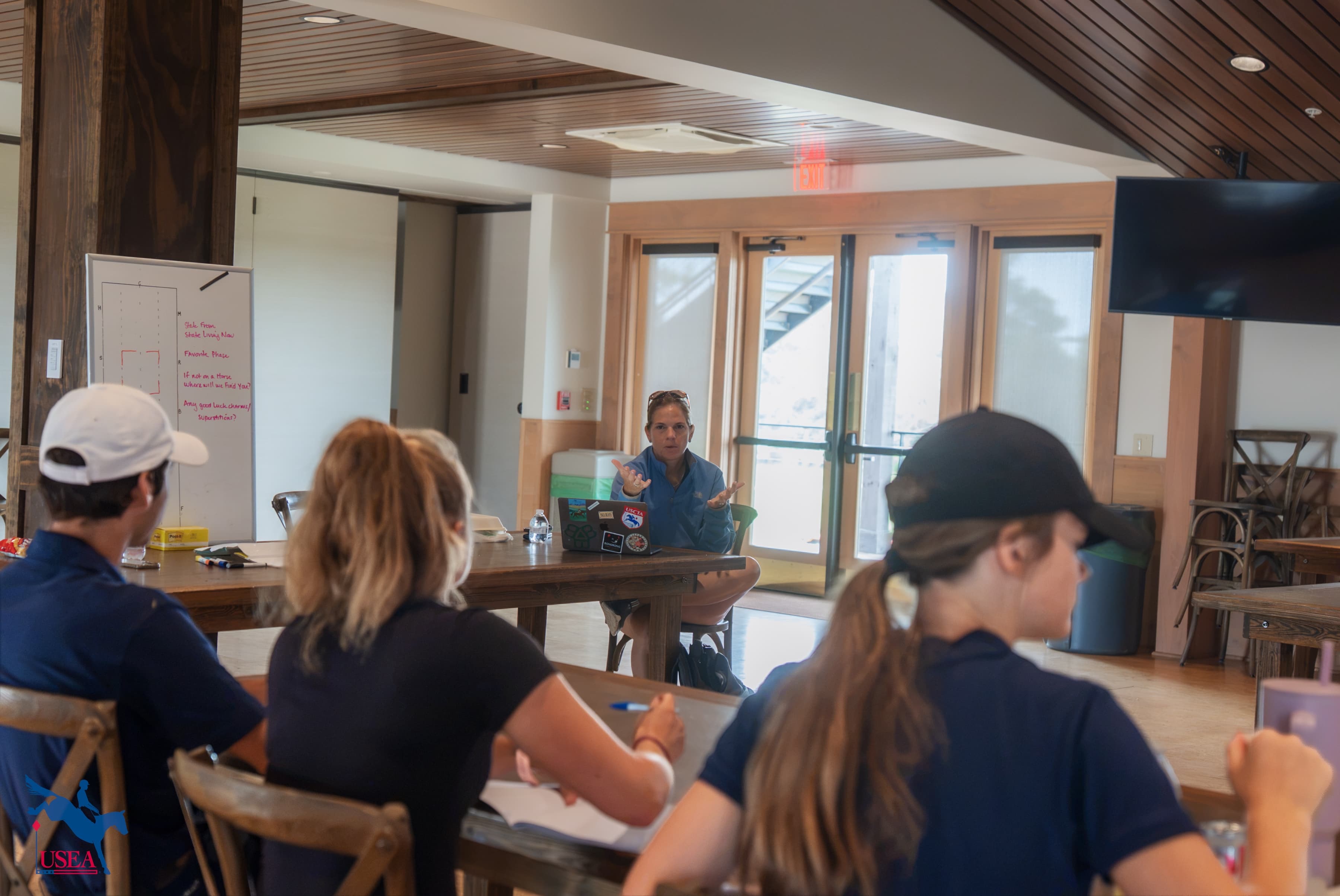
And that’s exactly the reaction Mastervich was aiming for. “Just going around the ring and schooling the test movements, it will only get you so far,” Mastervich stressed to her students. “You want to be thoughtful about how you’re using your time to develop that communication with your horse and develop your own awareness and effectiveness in your position.”
With jumping exercises tomorrow, Mastervich hopes the riders will carry over all they learned and focused on today. “Towards the last couple of lessons we worked quite a bit on improving the quality of the canter, the overall balance and adjustability. Those are obviously key components in Show Jumping.”
Whether or not their dressage lesson focused on the canter, there’s one thing Mastervich wants all of her riders to remember: “The overall theme for the day was becoming more aware. The concept behind the square was to make them more aware of their horses' alignment from the start. Then they can learn how to be more effective in their aids and make improvements in all of the components of the training scale: maintaining a rhythm, relaxation, impulsion, having the horse straight and connected.”
“It was a great day,” Mastervich concluded. “Everyone really benefited in one way or another. They’re not only learning on their own horse, but they’re learning on the switch ride horse and they’re also learning by watching everyone else. It’s always cool when we wind up with a variety of questions to work on with this one underlying tool we all started with.”
East II | Stable View | Aiken, South Carolina
The Participants
- Addison Borton
- Kaitlyn Cobey
- Catherine Frank
- Audri Hoos
- Kennedy Langmo
- Victoria McCallum
- Nicole Nair
- Julia Pinell
- Trinity Sachau-Sherman
- Katelyn Smith
- Piper Van Tassel
- Jake Tessler
The USEA Emerging Athlete U21 (EA21) Program is entirely funded through donations. Led by the EA21 Committee, the program provides educational opportunities for young riders under the guidance of USEA Eventing Coaches Program (ECP) Certified Coaches, helping build the future pipeline of U.S. Eventing. Your support makes this program possible. Please consider making a donation through the USEA Foundation and selecting EA21 as your designated program: https://useafoundation.org/donate
Follow the USEA coverage on social media!
Facebook | Instagram | Threads | TikTok
About the USEA Emerging Athlete U21 Program (EA21)
The purpose of the USEA Emerging Athletes U21 Program (EA21) is to identify and provide consistent quality instruction to the next generation of elite event riders. The aim is to create a pipeline for potential team riders by identifying and developing young talent, improving horsemanship and riding skills, and training and improving skills and consistency.
The USEA Emerging Athletes U21 Program was launched in 2022 with a model of five summertime regional clinics taught by carefully selected USEA Eventing Coaches Program (ECP) coaches, leading to a winter national camp consisting of selected Young Riders from the regional clinics. Athletes who are 21 years or younger, are current members of their USEA Young Rider Area program, and are established at the Training Level or higher, are eligible to apply for the EA21 program. Click here to learn more about the USEA EA21 Program.
The USEA would like to thank ARMA, Bates Saddles, GGT Footing, Horse Illustrated, Kerrits, PulseVet, Ride iQ, Schneiders Saddlery, Sidelines Magazine, WeRideTogether, YETI, and 100xEquine for sponsoring the USEA Emerging Athletes U21 Program.
Related Articles
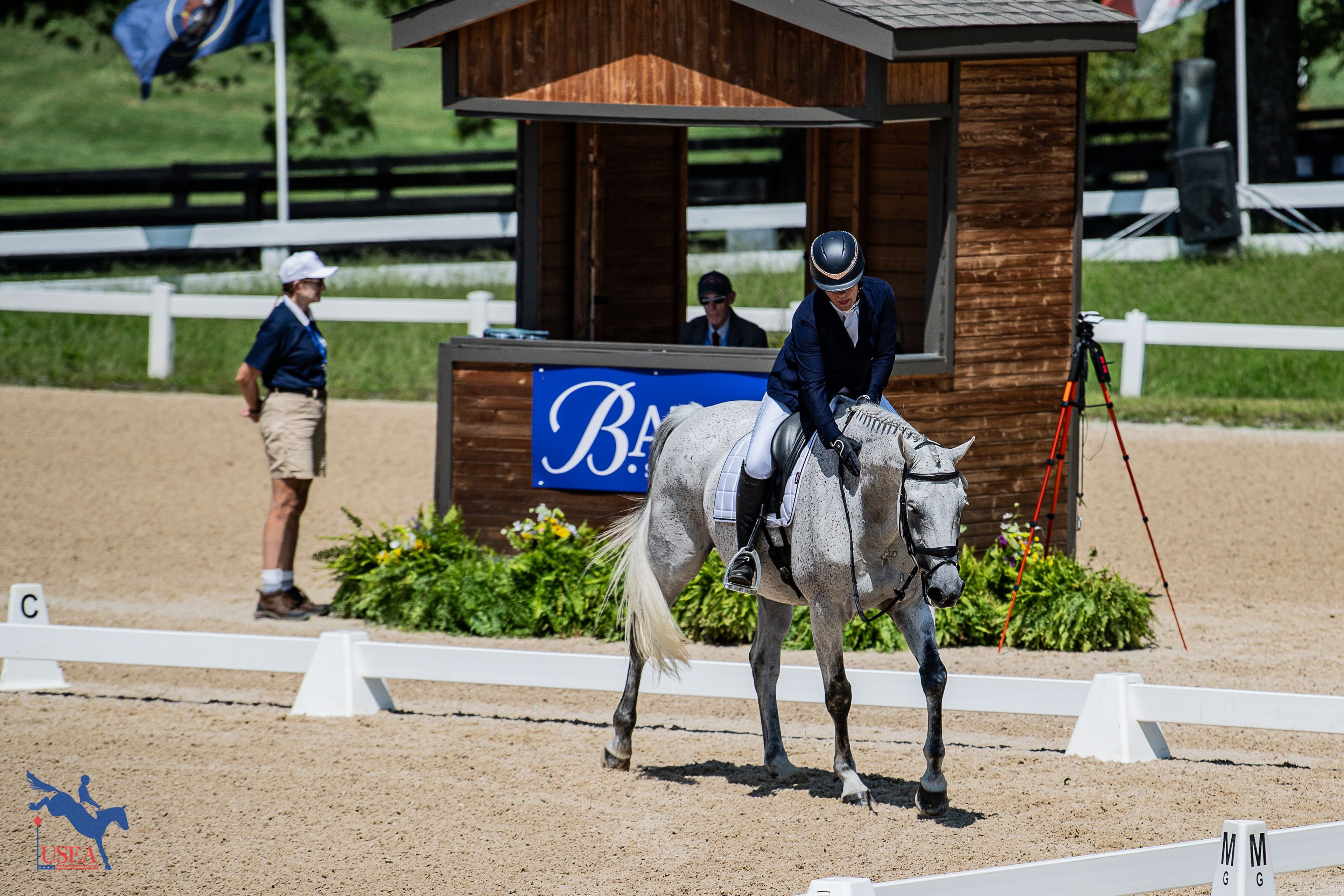
The VAP Series: Dressage Score Runner
While riders are focused on putting their best foot forward in the dressage arena, another important part of the competition is happening just outside the ring. Behind every promptly posted dressage score is a team of dedicated volunteers helping ensure that completed tests make their way from th...

USEA Recognizes Ride EquiSafe for Support of 2026 American Eventing Championships
The United States Eventing Association (USEA) is pleased to recognize Ride EquiSafe for its continued support as an Official Bronze Level Sponsor of the 2026 USEA American Eventing Championships (AEC), which took place August 25-30 at Th...
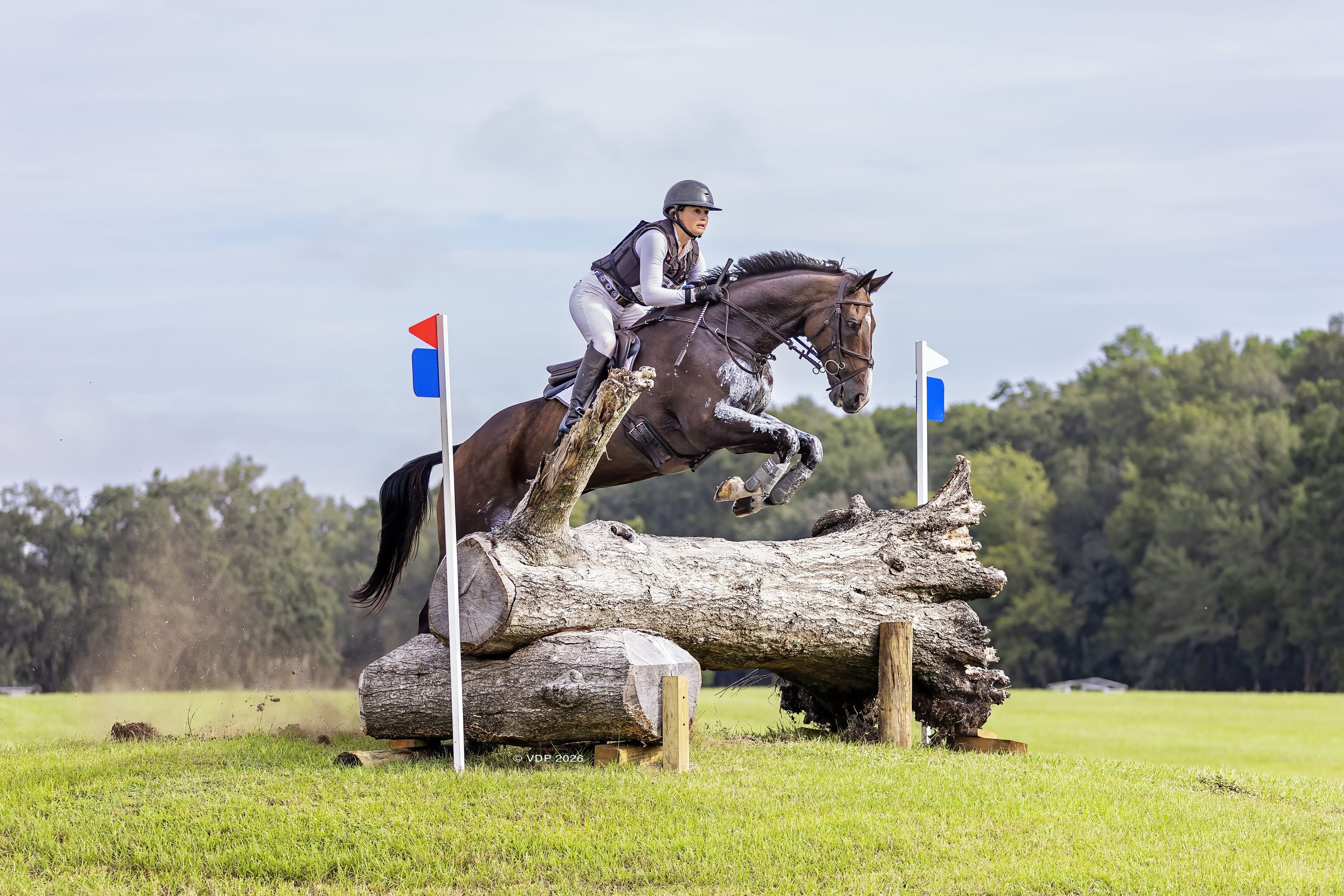
Skyler Norris Comes Full Circle with Advanced Debut at Ocala
For Skyler Norris, the Florida Horse Park in Ocala is more than just another competition venue. It’s where she first discovered the thrill of eventing as a little girl and where she’s spent countless weekends competing, learning, and chasing her dreams.