Individual Horse Owners Liability Insurance
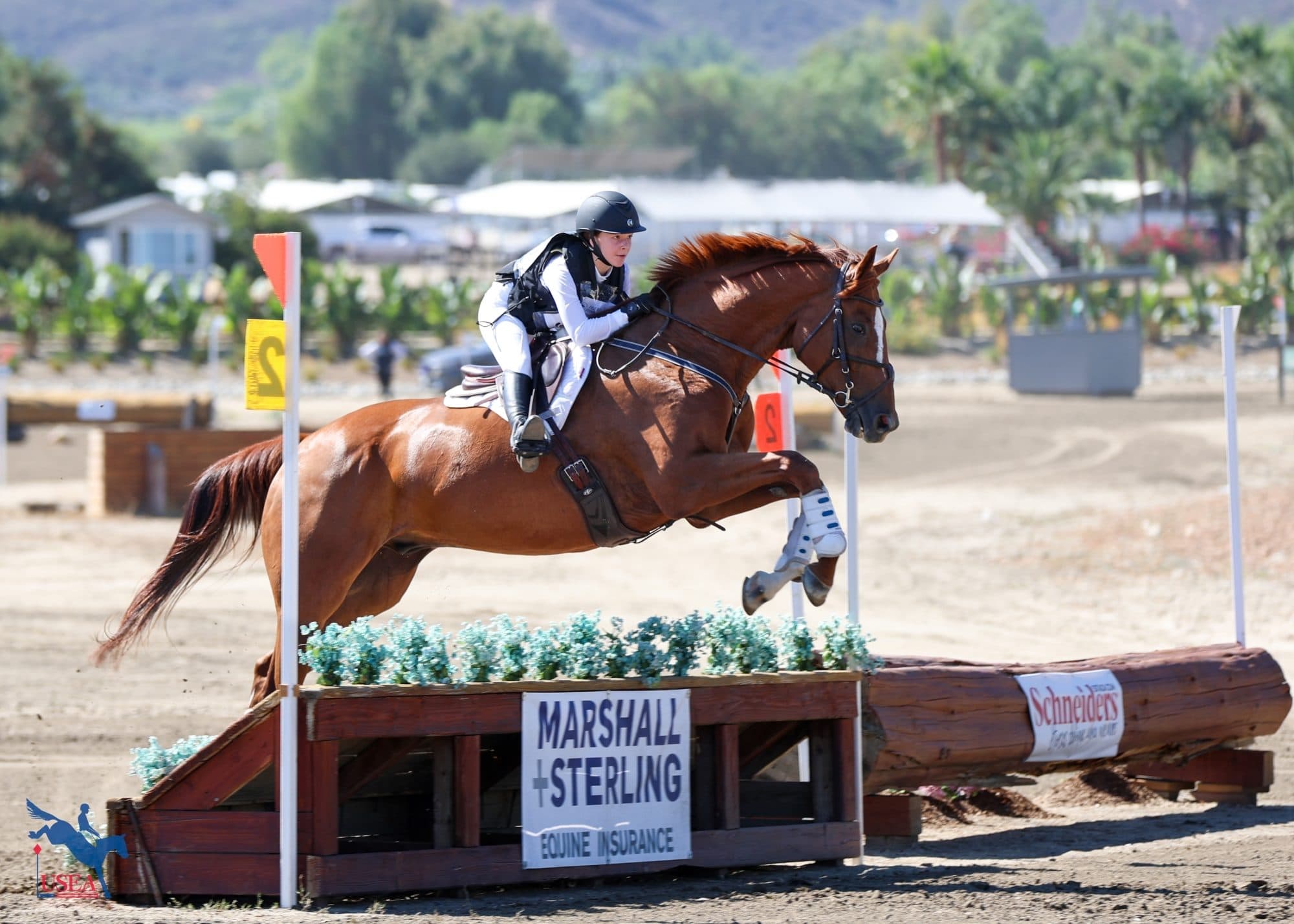
You have liability insurance on your house and car, right? If someone slips on your icy steps, or you take your eyes off the road for just a second and cause a fender bender, you want protection in the event you become responsible for expenses resulting from these types of accidents.
What about damage caused by your horse?
So…
You’re in the process of turning your horse out and some high winds and blowing leaves send him spinning, yanking the lead rope out of your hands and bolting across the field. In his panic he gallops across the road and is hit by a passing car.
Or you’re warming up at an event and your usually unflappable mount gets spooked, taking you by surprise. You hit the ground and he gallops off toward stabling, knocking down a spectator in the process.
Or a friend has been begging you for months to let her take a spin on your horse. Unfortunately, she’s not quite as advanced a rider as she claimed, and when your horse picks up a trot, she takes a tumble.
In all of the above situations, and many others, you could be pursued legally and possibly held responsible for bodily injury or property damage caused by your horse. And depending on the extent of the injuries and/or property damage, the dollar figures for compensation could hit seven figures. In today’s lawsuit-happy society, even if the situation was an unavoidable accident, or the injured party was partly or even totally at fault, at the very least you will be looking at having to pay an attorney to defend you. At worst, you’ll be looking at a settlement or judgment against you.
And if you think a friend, or someone who understands that it really was an accident, won’t pursue you for compensation, keep in mind that they may not have a choice. If they have health insurance and their insurance company finds out the nature of the incident, the insurance company could subrogate, which means that while they will pay the injured person’s medical bills, they will then pursue you for reimbursement.
Or, if like millions of people, the person who was injured doesn’t have any health insurance, they may feel that they have no choice but to try to recoup their expenses through you, especially once they talk to a personal injury attorney, or realize they may be facing bankruptcy as their medical bills pile up and they have to take time off work.
Let’s face it, our horses are an important part of our lives—a hobby/pastime/addiction into which we happily invest our valuable time and money. But owning and handling horses are also potentially dangerous activities, and no matter how careful you are and how well trained and bomb-proof your horse is, not every situation is in your control and as the cliché goes, “accidents happen.”
That said, insurance exists to help mitigate these risks. First, if you have a Homeowner’s or Farmowner’s policy, review your policy and check with your insurance agent to see what type of liability coverage you might have under that policy for your horse activities. Be very specific when you talk to the agent because some policies may cover while your horse is on your property, but not anywhere else. Or the policy may not cover if you compete with your horse because money or prizes can be won, which they will consider a “commercial” activity, no matter how much you try to convince them that at the end of the day, showing your horse is not a money-making endeavor.
If you get an answer from the agent that you are covered, at home and away, at a boarding facility or on the road at a competition, great, just make sure to get that assurance in writing.
If you find out that no coverage exists, then you will want to consider purchasing an inexpensive Personal or Individual Horse Owner’s Liability (PHO or IHOL) policy. The application process takes less than five minutes, and premiums for $1 million in coverage start at around $250/year.
This type of policy is meant to respond in the event your personally owned show/pleasure horse injures a third party or damages their property, and you are considered negligent and are pursued legally for those damages. It should help cover your legal expenses as well as pay claims made against you up to your policy limit.
Some examples of who would generally not be considered a third party: someone who is a family member, or who is contracted (this does not need to be a formal, written contract) or performing services that involve handling or caring for your horse, such as an employee, vet, farrier, trainer, staff at the boarding facility, etc.
Also, lease situations can be complicated, so if you are leasing a horse, or you are leasing the horse you own to someone else, you may need to see about a slightly different policy. Another factor that might affect coverage is whether your horses are kept on property you own, versus boarded somewhere else.
In addition, a PHO/IHOL policy is not intended to cover you if a) you allow your horse to be used as a lesson horse as part of your or another instructor’s lesson program; or b) you are a professional horse person who teaches, trains, boards, buys/sells horses, etc. In those cases, you would want to look at a Commercial General Liability policy, which will require a more detailed application and slightly higher premium. The agents at Marshall+Sterling, the USEA’s Official Equine Insurance Provider, can help you determine which category you fall into and your coverage options.
No one enjoys pondering worst-case scenarios, especially when it comes to our horses, but a few minutes to fill out an application and a small investment in an annual premium could be a worthwhile investment to provide peace of mind.
About the Author
A lifelong equestrian starting out in 4-H and then moving on to show hunters, eventing, and dressage, Amy J. Daum has three decades of experience in the equine insurance industry, including seven years as a member of the USEA staff. A founding partner of Broadstone Equine Insurance Agency, she joined Marshall+Sterling six years ago when M+S acquired Broadstone and has since served as M+S’s Equine Marketing & Sales Supervisor.
About Marshall+ Sterling
Founded in 1864, Marshall+Sterling is a 100% employee-owned national independent risk solutions partner, providing business and personal insurance, employee benefits, and wealth management solutions. Marshall+Sterling is committed to empowering customers to predict, prepare for, and preempt risk—creating a future that’s safer and more secure. Headquartered in New York and licensed in all states and the U.S. Virgin Islands, the firm is regularly recognized among the top 50 of privately held insurance brokers in the United States.
Related Articles
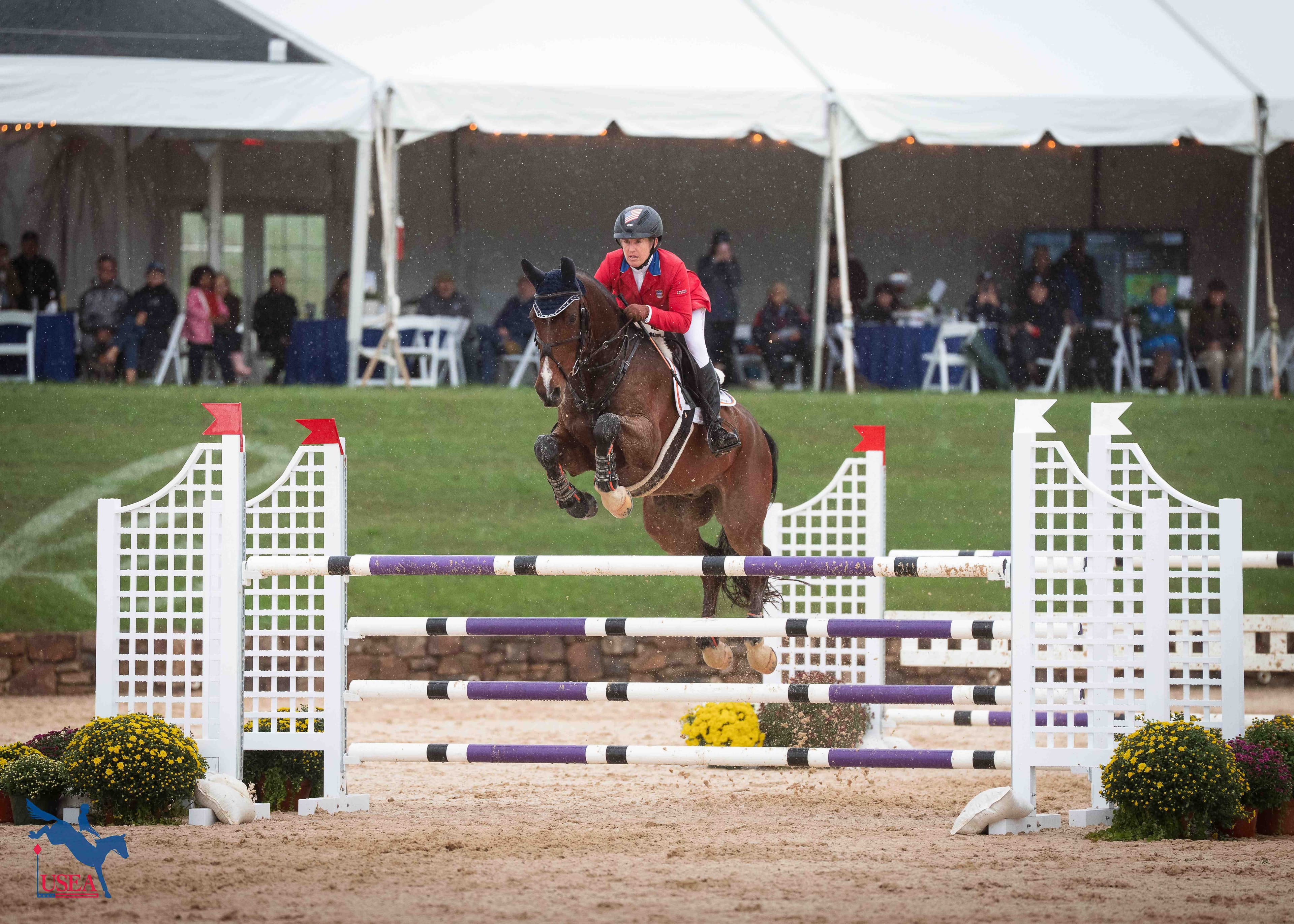
Sharon White and Claus 63 Capture the Win in the US Equestrian Open Final CCI4*-L, White Becomes First Woman to Win the Title
The second edition of the $200,000 US Equestrian Open Eventing Final concluded at Morven Park International Equestrian Center with Sharon White (Summit Point, W.V.) and Claus 63 delivering a standout performance in the final jumping phase to capture the win. It was a historic result as White beca...
The Dutta Corporation Continues Support of USEA Young Event Horse Program in 2026
The United States Eventing Association (USEA) is pleased to welcome back The Dutta Corporation as a valued supporter of the USEA Young Event Horse (YEH) Program and the 2026 USEA Young Event Horse Championships. The Dutta Corporation will return...
A First FEI Win for MHE Excel Star Noble Ikon and Morgan Houberg in USEA/USEF 6-Year-Old Developing Horse National Championship
Heavy rain overnight and into the morning turned the final day of the 2026 USEA/USEF Developing Horse Eventing National Championships into a true test of the young horses' confidence, athleticism, and determination at Morven Park International. When the final scores were tallied in the CCI2*YH-S ...