2026 New Year’s Resolution - Get Horse Insurance!
For many of us, 2025 was a wild ride. So, after taking a collective sigh of relief, let’s plan for 2026! And while no one wants to kick off this year pondering all the ways our horses could rack up high dollar vet bills, or find themselves in a life-threatening situation, if the last several years have taught us anything, it is to prepare for the unexpected.
As in many areas of life, what you don’t know can hurt you, and putting your head in the sand is rarely a successful strategy. So, in the spirit of my personal philosophy of the old proverb “Forewarned is Forearmed,” and in the interest of helping you protect your horses and your bank account, here are some reasons you should put “Get a Horse Insurance Policy” on your 2026 to-do list.
Accidents Happen
It is a common belief that horses are safest at home and at the most risk while traveling and competing. But what we found several years ago when colleagues did an anecdotal analysis of more than 2,000 horses insured over a two-year period, was of the horses that died during that time, pasture accidents ranked as one of the top causes of death.
The types of accidents ran the gamut from kick wounds, slips and falls, puncture wounds, crashes into pieces of fencing or other debris, and even jumping pasture fences and running into the road. Our review showed that these types of accidents did not discriminate by value or type of horse, with uses ranging from Olympic contenders living in immaculate conditions to backyard pleasure horses, and values from $1,000 to hundreds of thousands of dollars.
What to do?
First, consider insuring your horse. Rates for Mortality (equine life insurance) coverage for the typical event horse aged 2-14 run from 3.9% to 4.5% of the insured value, depending on the horse’s competition level, and the insurance company offering coverage. So, for example, the Full Mortality premium for a 10-year-old beginner novice through training level eventer insured at $10,000 could be as low as $390 a year. Or for your non-eventing mounts, annual premiums for a $10,000 Dressage horse could be as low as $300, or for a Hunter/Jumper between $325-$370 a year.
Mortality policies also include a free Emergency Colic Surgery (ECS) endorsement for horses without a colic history. The ECS coverage limit ranges from $3,000-$7,000 depending on the horse’s insured value and the insurance company offering coverage.
Next, take steps to limit your horse’s risk while turned out. Monitor fence lines, especially after severe weather, and keep all debris (and any type of equipment, vehicles, or other potential hazards) out of pastures, paddocks and other turn-out areas. And if possible, remove or fence off trees to limit your horse's access to them. Also, introduce new horses to an established group gradually, and if you see a personality conflict cropping up, or even good “friends” consistently playing too hard, take steps to separate these horses for their own good.
In addition, keep an eye on the weather, and if possible, avoid turning your horses out during storms or in slippery, icy, or muddy conditions. Almost every winter, we see at least one Mortality claim after a horse slips and falls in icy and/or significantly muddy conditions, not to mention the many Major Medical/Surgical claims for strained ligaments and tendons, and even fractures.
Colic
Our anecdotal research has shown that colic and related gastro-intestinal issues also rank highly as common causes of mortality claims.
And again, we see these types of claims across the board, regardless of breed, discipline, or value. Horses receiving the best feed, hay, grass, training, turn out, veterinary care, and even round the clock monitoring can, and do, colic. Much of the US experiences periods of extreme weather, and even a day or two of extreme temperature changes can be dangerous to the best cared for horses.
While the prognosis has become more positive over the years, with more horses not only surviving colic surgery but also going on to have long, successful, colic-free careers, an unfortunate number still die before, during, or after surgery due to a variety of reasons. In some cases, the colic comes on suddenly during the night, and the horse has passed away before help arrives in the morning. In other cases, even with prompt care and attention, by the time the horse makes it to the hospital too much damage has been done. And in others, post-operative complications develop that cannot be overcome.
What to do?
Colic prevention is an art and a science and sometimes feels like a matter of luck. In a nutshell: allow your horse to live like a horse whenever possible, with as much safe turn-out time as you can. This provides both exercise and hopefully good pasture to munch on, as their digestive systems are designed to have an almost constant influx of roughage. If grass is at a premium where you live, good quality hay can be a sufficient substitute.
A comprehensive de-worming program is also essential since certain types of parasites can contribute to colic. Your veterinarian can work with you on the best parasite management plan. It is also vital that your horses have a constant access to clean, fresh water (especially in chilly weather, when buckets and troughs can freeze over), since dehydration can very quickly cause an impaction colic.
For horses that have little access to grass and/or turn out, along with good quality hay, feed several small meals of grain daily, versus just one or two larger meals. Also, consider some of the supplements designed to help maintain gut health. And if your horse is primarily turned out in sandy areas, be aware of the possibility of sand colic and avoid putting hay or feed on the ground and consider adding psyllium to your horse’s feed.
Be on the lookout for gastric ulcers, which can contribute to colic issues. Research over the last couple of decades has shown that gastric ulcers are much more prevalent than previously thought--among all breeds and disciplines. A routine two-day trip away from home for a show or trail ride can be enough to set the stage for ulcers. If your horse is dropping weight for no reason, seems girthy or unusually tense or depressed, has changed his eating or drinking habits, and/or seems “off” or slightly colicky, talk to your veterinarian. And if you are traveling to competitions or will otherwise be away from home, consider preventative measures. The good news is that there are effective prevention and treatment supplement and medication options to help keep gastric ulcers at bay and treat them if they occur.
The Rest
The review of those two years of Mortality claims showed that neurological diseases such as EPM were slightly more prevalent than other causes of death. And the remainder of causes included issues such as joint infections from puncture wounds, various cancers, conditions like founder that resulted in the horses having to be put down, as well as catastrophic injuries resulting from trailering accidents and barn fires.
Other Expenses - Equine Medical and Surgical Insurance Coverage
In many cases, before the horses in our analysis passed away or were euthanized, their owners invested significant funds toward attempts at diagnosis and treatment. This is especially important to mention because the Mortality policy wording requires that the insured takes steps to save the horse’s life, regardless of the expenses necessary to do so.
If a colicking horse is a candidate for surgery as recommended by the veterinarian, and the owner chooses not to follow the vet’s recommendation and instead euthanizes the horse, or the horse dies due to the untreated colic, it is very likely that a Mortality claim would not be paid since the policy requirements were not followed. While humane destruction is covered under Mortality policies, the circumstances of the euthanasia must meet the policy requirements. If you find yourself in a situation with a sick or injured horse, it is imperative that you contact the insurance company immediately and talk to an adjuster.
Having Medical and/or Surgical coverage (a type of horse health insurance) can ease some of the financial considerations when making decisions regarding your horse’s care. In cases of covered injuries, illnesses, lamenesses, accidents, and diseases that occur during the policy period, Medical and Surgical coverages can help provide reimbursement for a good portion of the veterinary expenses related to those issues.
Equine Medical and Surgical insurance is generally available to add to a Mortality policy for horses through the age of 30 days to 18-20 years. Coverage limits include: $5,000, $7,500, $10,000, and $15,000 (depending on the horse’s use, insured value, and the insurance company offering coverage), with premiums starting at $250. Considering the cost for a complication-free colic surgery averages between $10,000-$15,000 (and can be considerably more expensive depending on where you live, the surgical facility, the type of surgery, and any post-operative complications), and that even a horse with something as “simple” as a puncture wound, a lameness, or a non-surgical colic that requires several days in the hospital can easily rack up more than $5,000 in vet bills to treat the resulting infection, Medical and Surgical coverages can be the best investment a horse owner makes.
The Bottom Line
Considering all the time, money, and effort that we put into our horses, who are our partners and members of our family, and the fact that we insure all of our other major investments—trucks, trailers, houses, farms—adding your horse to that list can give you peace of mind. Agents at Marshall+Sterling, the USEA’s Official Equine Insurance Provider, are happy to help when you’re ready.
About the Author
A lifelong equestrian who started out in 4-H and then moved on to show in hunters, eventing, and dressage, Amy J. Daum has three decades of experience in the equine insurance industry. A founding partner of Broadstone Equine Insurance Agency, she joined Marshall+Sterling in 2019 when they acquired Broadstone’s book of business, and has since served as M+S’s Equine Marketing & Sales Supervisor. Agents at M+S can be reached at (888) 687-8555 or marshallsterling.com/equine.
About Marshall+Sterling
Founded in 1864, Marshall+Sterling is a 100% employee-owned national independent risk solutions partner, providing business and personal insurance, employee benefits, and wealth management solutions. Marshall+Sterling is committed to empowering customers to predict, prepare for, and preempt risk—creating a future that is safer and more secure. Headquartered in New York and licensed in all states and the U.S. Virgin Islands, the firm is regularly recognized among the top 50 of privately held insurance brokers in the United States.
Related Articles
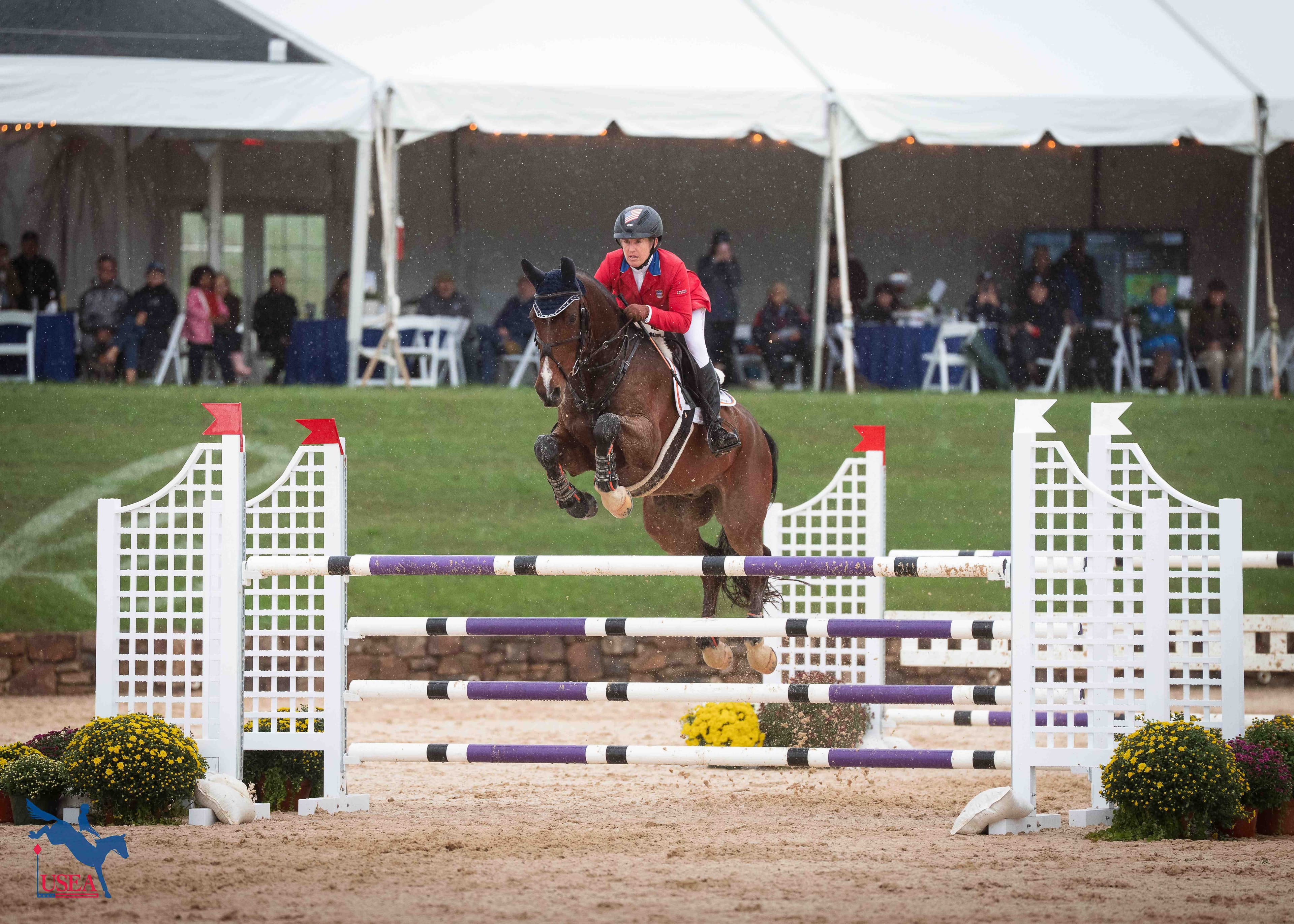
Sharon White and Claus 63 Capture the Win in the US Equestrian Open Final CCI4*-L, White Becomes First Woman to Win the Title
The second edition of the $200,000 US Equestrian Open Eventing Final concluded at Morven Park International Equestrian Center with Sharon White (Summit Point, W.V.) and Claus 63 delivering a standout performance in the final jumping phase to capture the win. It was a historic result as White beca...
The Dutta Corporation Continues Support of USEA Young Event Horse Program in 2026
The United States Eventing Association (USEA) is pleased to welcome back The Dutta Corporation as a valued supporter of the USEA Young Event Horse (YEH) Program and the 2026 USEA Young Event Horse Championships. The Dutta Corporation will return...
A First FEI Win for MHE Excel Star Noble Ikon and Morgan Houberg in USEA/USEF 6-Year-Old Developing Horse National Championship
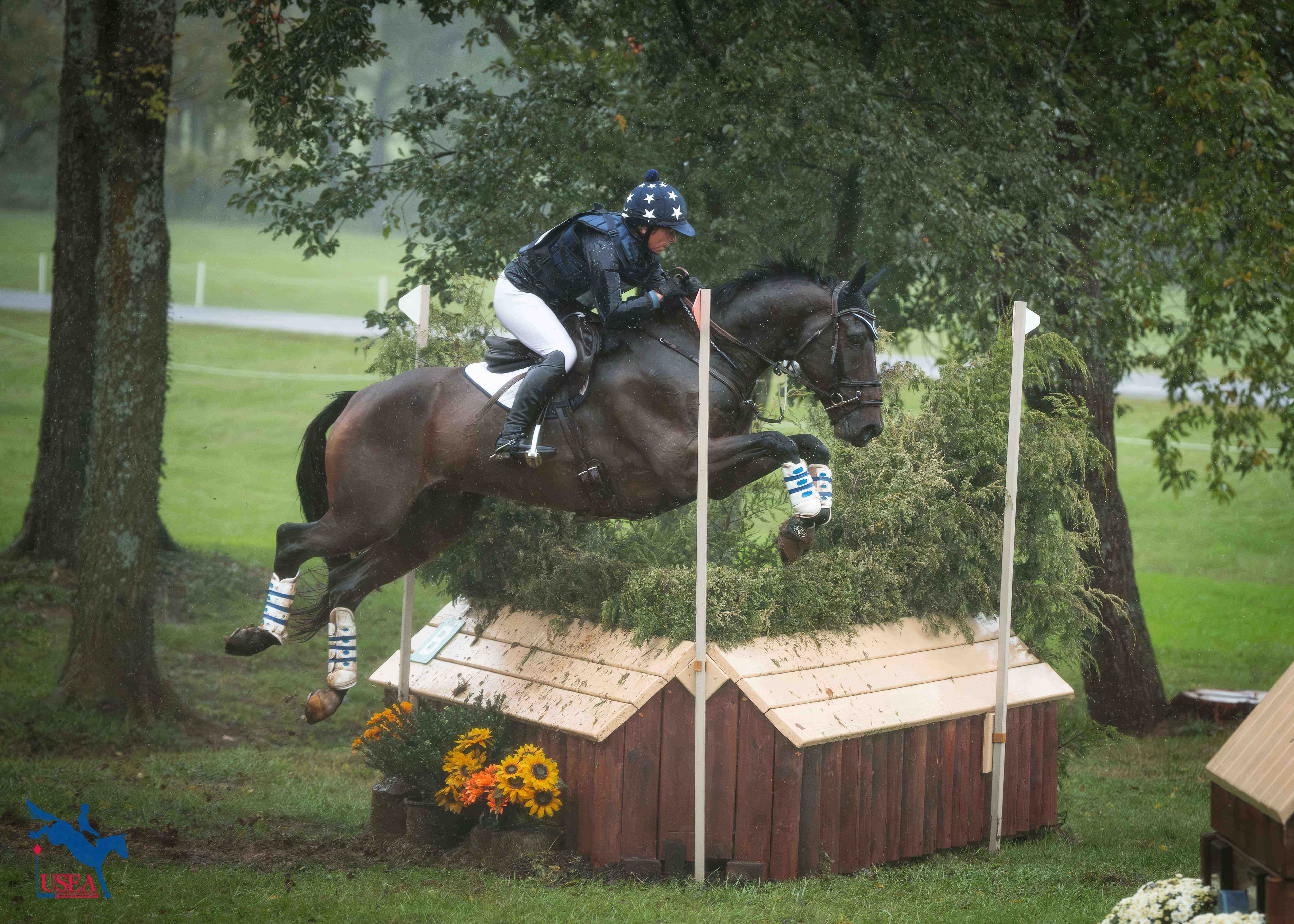
Heavy rain overnight and into the morning turned the final day of the 2026 USEA/USEF Developing Horse Eventing National Championships into a true test of the young horses' confidence, athleticism, and determination at Morven Park International. When the final scores were tallied in the CCI2*YH-S ...